“Discover the top rock climbing spots in Halong Bay, Vietnam, where stunning limestone formations meet rich cultural heritage. Experience thrill and beauty in this UNESCO World Heritage site.”
Top 5 Spots for Rock Climbing in Halong Bay
The Hook
Halong Bay is renowned for its ethereal beauty, a landscape dominated by towering limestone karsts that rise dramatically from emerald waters. Yet, within this UNESCO World Heritage site lies an adventure waiting to be tapped into: the exhilarating world of rock climbing. With over 1,600 islands and islets, Halong Bay offers climbers not just breathtaking views but also a variety of routes that cater to all skill levels. This unique blend of natural wonder and adrenaline-inducing activity defines Halong Bay as a premier climbing destination.
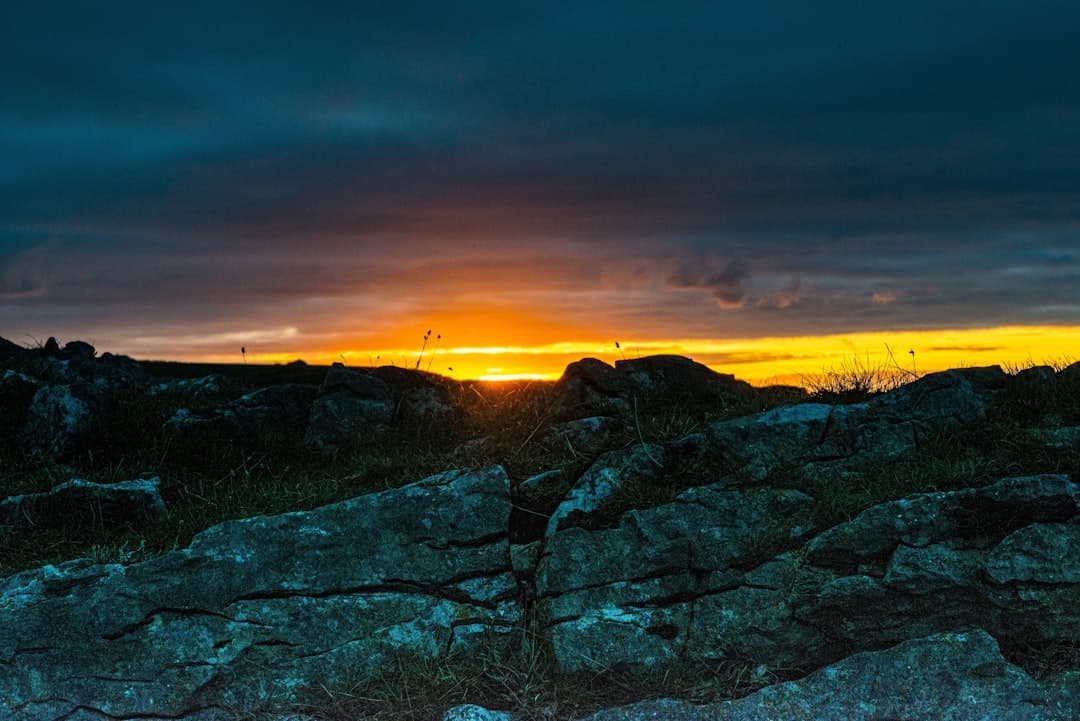
The climbing environment here is distinct; the cliffs are primarily composed of limestone, offering a range of technical routes, from beginner-friendly climbs to challenging ascents that will test even the most seasoned climbers. The appeal extends beyond the physical challenge; it lies in the opportunity to experience the bay from a vantage point few get to witness. Imagine scaling a cliff as the sun sets behind the karsts, casting long shadows over the water and painting the sky in hues of orange and pink.
For modern travelers seeking not just relaxation, but also an adrenaline rush, Halong Bay is a must-visit. Here, climbing becomes not just a sport, but a pathway to connect with the stunning landscape and the rich culture of Vietnam. Each ascent tells a story, as does every climb, making it a perfect backdrop for both thrill-seekers and cultural enthusiasts alike.
The Context
Share this story
Comments
Highly Anticipated
- Be the first to share your thoughts!
No comments yet
Be the first to share your thoughts with the community!
Leave a Reply
Keep Reading
Recommended Stories
Halong Bay has a storied history that enriches its allure as a travel destination. The bay's name translates to 'descending dragon,' a reference to the legend that a dragon descended into the bay to protect its people from invaders. This myth encapsulates the spirit of the region, where nature and folklore intertwine.
The geological formation of Halong Bay dates back over 500 million years, resulting in its iconic karst landscape. These limestone cliffs, shaped by weathering and erosion, provide not only a stunning visual experience but also a rich habitat for diverse flora and fauna. The bay is home to various species, some endemic, and boasts a complex ecosystem that thrives in the unique environment.
Culturally, Halong Bay reflects the essence of Vietnamese life, with fishing communities residing in floating villages that have existed for generations. Here, traditional practices continue to thrive alongside the burgeoning tourism industry. As you climb, you may witness local fishermen casting their nets, a reminder of the sustainable practices that have shaped the bay’s economy and community.
Rock climbing in Halong Bay is not merely an outdoor sport; it is a way to engage with its history and culture. Climbing routes often lead to secluded areas where climbers can pause and take in the serenity of the bay, far removed from bustling tourist spots. This dual experience of physical challenge and cultural immersion is what sets Halong Bay apart as a climbing destination.
The Atmosphere
As you approach Halong Bay, the atmosphere shifts from the ordinary to the extraordinary. The moment you set foot in the area, you are enveloped by the natural beauty that characterizes this UNESCO World Heritage site. The air is crisp, carrying the faint scent of saltwater and the earthy aroma of limestone.
The climbing spots in the bay vary widely, each offering its own unique experience. For instance, the area around Cat Ba Island is particularly notable for its well-preserved ecosystem and climbing routes that cater to various skill levels. The cliffs here are adorned with lush greenery, creating a contrast against the stark white limestone. As you navigate these routes, the verdant surroundings serve as a reminder of nature's resilience.
Service quality in Halong Bay has seen significant improvements, with climbing companies offering tailored experiences for adventurers. Professional guides, often locals with a deep understanding of the terrain, accompany climbers to ensure safety and enhance the experience. Their knowledge of the best routes and climbing techniques is invaluable, and they often share stories of the bay's rich history, adding depth to your adventure.
Accommodations range from luxurious resorts with stunning views to cozy homestays that reflect the local culture. Many resorts offer climbing packages, making it easier for travelers to access the best spots while enjoying the comforts of modern amenities. The architecture of these establishments often incorporates natural elements, blending seamlessly with the landscape. This commitment to design enhances the overall atmosphere, allowing visitors to feel connected to their surroundings.
Halong Bay's evenings are particularly enchanting. After a day of climbing, the sunsets are a spectacle to behold; the sky transforms into a canvas of colors, and the water reflects this breathtaking display. Dining options abound, with a focus on fresh seafood caught daily from the bay. Enjoying a meal while overlooking the water adds to the immersive experience of being in this remarkable location.
“Halong Bay is not just a destination; it’s an experience that intertwines adventure with culture.”
The Insider's Gem
While many climbers flock to popular spots, one of the most rewarding experiences lies at the less-traveled routes of Bai Tu Long Bay, an extension of Halong Bay that is often overlooked. Here, you can find some of the most pristine cliffs, offering a sense of solitude that is increasingly rare in popular climbing destinations.
A standout route here is the 'Limestone Dragon,' a multi-pitch climb that stretches for 200 meters. This climb is suitable for intermediate to advanced climbers, providing challenges such as overhangs and intricate foot placements. The rewards, however, are worth the effort: climbers are treated to panoramic views of the surrounding islands and the sparkling waters below. The experience of reaching the summit here is not only about the physical achievement but also about the connection to the untouched beauty of Bai Tu Long Bay.
Timing your visit is crucial. The best months for climbing in Halong Bay are from September to November and March to May when the weather is milder, and the humidity is lower. Early mornings are particularly serene, with fewer tourists around, allowing for a more personal experience. Arriving at the climbing site at dawn means you can witness the ethereal morning mist rising from the water, setting the stage for an unforgettable day of adventure.
Engaging with local climbing communities can significantly enhance your experience. Many climbers share tips and insights on routes, equipment, and safety measures. Connecting with these communities, whether through social media or local climbing gyms, can provide you with insider knowledge that elevates your climbing adventures.
The Concise Guide
Social Norms
Respect Local Culture: Always greet locals politely and ask for permission before photographing people.
Engagement: Participate in local customs, such as fishing practices or traditional cooking, to enrich your experience.
Dress Codes
Climbing Attire: Wear breathable, moisture-wicking clothing suitable for climbing. Sturdy climbing shoes are essential.
Cultural Sensitivity: When visiting local villages, opt for modest clothing that covers shoulders and knees.
Strategic Timing
Best Climbing Season: September to November and March to May for optimal weather conditions.
Avoid Peak Hours: Early mornings or late afternoons are ideal for climbing to avoid crowds and enjoy cooler temperatures.
Managing your itinerary on trip.express can help streamline your experience, allowing you to focus on the climbing and immersion in this stunning environment.
The Little Black Book
Top Climbing Locations:
Cat Ba Island - Offers a range of routes for all levels.
Bai Tu Long Bay - Known for its serene, less-traveled climbing spots.
Prices: Climbing package prices vary, typically ranging from $50 to $150, depending on the level of service and equipment provided.
Opening Hours: Climbing spots are accessible year-round, but best climbing conditions are during the dry season (September to November and March to May).
Halong Bay is a destination that offers both adventure and cultural depth, making it a compelling choice for discerning travelers. With its stunning landscapes, engaging history, and vibrant climbing community, it stands out as a premier location for rock climbing enthusiasts looking for an immersive experience.