The Allure of Taipei: Art, History, and Modern Life
Trip Express•Mar 26, 2026•5 min read
“Explore Taipei's unique blend of tradition and modernity in this comprehensive city guide that highlights key cultural sites, local experiences, and insider tips for the discerning traveler.”
The Allure of Taipei: Art, History, and Modern Life
The Hook
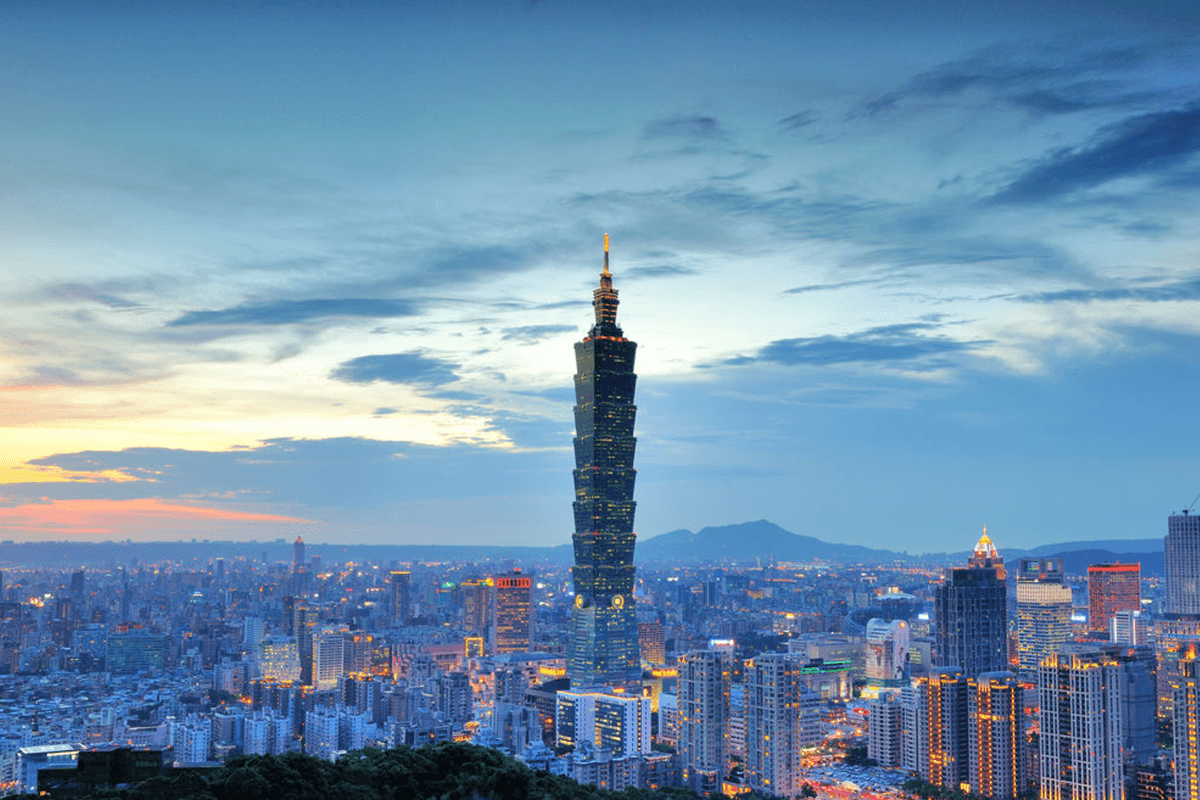
Taipei is a city where the past and future coexist in a dynamic embrace. The skyline, punctuated by the iconic Taipei 101, stands as a testament to modern architectural ambition, while the streets below pulse with the rhythm of traditional markets and centuries-old temples. This juxtaposition creates a unique atmosphere that invites exploration, where each neighborhood tells a story that weaves history, culture, and innovation into the fabric of everyday life.
In Taipei, the energy is palpable. As the sun rises, the city awakens to the aroma of street food, the sound of temple bells, and the unmistakable hum of scooters. This vibrant city is not just a destination; it’s an experience that engages all senses. For the discerning traveler, Taipei offers an intricate tapestry of art, history, and modern life, making it a compelling location to discover the essence of Taiwanese culture. Visitors can navigate the city’s bustling streets with ease, thanks to a well-connected public transport system and an increasing emphasis on pedestrian-friendly spaces.
Exploring Taipei is not merely about ticking off landmarks; it’s about immersing oneself in the subtleties of local life. Delve into the bustling night markets, where culinary delights await at every turn, or seek solace in a tranquil tea house tucked away from the urban frenzy. Each corner of Taipei offers an opportunity to connect with its people, heritage, and contemporary innovations.
The Context
Share this story
Comments
Highly Anticipated
- Be the first to share your thoughts!
No comments yet
Be the first to share your thoughts with the community!
Leave a Reply
Keep Reading
Recommended Stories
Taipei's history is rich and multifaceted, shaped by indigenous cultures, colonial influences, and modern global trends. Established as a provincial capital in the 19th century, Taipei began its transformation into a bustling metropolis with the arrival of the Japanese in 1895. This period brought significant infrastructural advancements, including the introduction of modern transportation systems and the establishment of educational institutions, laying the groundwork for the city's evolution.
Post-World War II, Taipei became the seat of the Republic of China, further accelerating its growth and modernization. The city emerged as a cultural hub, blending Eastern and Western influences, which is evident in its architecture, cuisine, and urban planning. Today, Taipei is a testament to resilience, having navigated waves of change while maintaining its distinct identity.
Culturally, Taipei is a melting pot. The city is home to a diverse population, with Han Chinese, indigenous groups, and expatriates contributing to its vibrant social fabric. This diversity is reflected in the range of festivals celebrated throughout the year, from Lunar New Year to the Lantern Festival, each showcasing unique traditions and communal spirit.
Art plays a significant role in Taipei's cultural landscape. The city boasts numerous museums, galleries, and art districts that highlight both traditional and contemporary Taiwanese art. Notable institutions like the National Palace Museum house ancient treasures, while contemporary spaces like Taipei Fine Arts Museum and Huashan 1914 Creative Park celebrate modern artistic expressions. This blend of historical and modern artistry makes Taipei a compelling destination for art enthusiasts and casual visitors alike.
The Atmosphere
Walking through Taipei is an exercise in sensory engagement. The city’s architecture ranges from the historic to the avant-garde, creating visually arresting contrasts. Traditional temples, such as Longshan Temple, exemplify intricate craftsmanship and spiritual devotion, while modern structures like the Taipei 101 exhibit sleek lines and cutting-edge design. This architectural diversity not only enhances the city’s aesthetic but also tells the story of its evolution.
The service culture in Taipei is marked by hospitality and efficiency. Whether dining in a local eatery or visiting a high-end boutique, expect attentive service that prioritizes guest satisfaction. This ethos extends to the city’s transport system, where subways and buses operate with precision, making travel seamless.
The atmosphere shifts dramatically from day to night. During the day, the streets are filled with office workers, students, and tourists, each contributing to the city’s vibrant pulse. By night, Taipei transforms into a culinary wonderland. Night markets, such as Shilin and Raohe, come alive with stalls offering an array of street food, from stinky tofu to bubble tea. The aroma of grilled meats and the sounds of laughter create an inviting ambiance, drawing locals and visitors into the heart of the city’s nightlife.
Artistic expression in Taipei permeates public spaces. Murals, installations, and pop-up exhibitions can be found throughout the city, particularly in creative districts like Songshan Cultural and Creative Park. This area, once a tobacco factory, now serves as a hub for designers, artists, and entrepreneurs, fostering innovation in a historical context.
Taipei’s parks and green spaces, such as Daan Forest Park, offer a respite from the urban hustle. Here, visitors can enjoy leisurely strolls, picnics, or simply unwind in a serene environment. The juxtaposition of nature against the urban backdrop reflects the city’s commitment to maintaining a balance between growth and sustainability.
“Exploring Taipei is not just about the sights; it’s an opportunity to engage with a culture that values both tradition and modern ingenuity.”
The Insider's Gem
For an authentic taste of Taipei's culinary scene, a visit to Din Tai Fung is a must. Renowned for its xiaolongbao (soup dumplings), this establishment is not merely a restaurant but a cultural icon. The experience of dining here goes beyond savoring exquisite food; it involves witnessing the meticulous craftsmanship behind each dumpling.
The restaurant’s open kitchen allows diners to observe skilled chefs preparing the dumplings with precision. The sight of the dough being expertly crafted and filled with savory broth is a testament to the artistry of Taiwanese cuisine. Arriving early for lunch or dinner is advisable, as the restaurant often attracts long lines, particularly during peak hours.
However, the wait is a worthwhile investment. Each xiaolongbao is a delicate parcel of flavor, steaming hot and bursting with broth. Pair it with a side of pickled ginger and a dash of soy sauce for an elevated tasting experience.
For those who appreciate a quieter ambiance, consider visiting during off-peak hours on weekdays. This allows for a more intimate experience, where the art of dumpling-making can be fully appreciated without the hustle of a busy dining room. The attentive staff adds to the experience, ensuring that every need is met while offering insights into the menu.
“At Din Tai Fung, culinary excellence is matched by an appreciation for the craft, making each meal a celebration of Taiwanese culture.”
The Concise Guide
Social Norms
Respect for Traditions: Acknowledge local customs, especially when visiting temples. Remove shoes and maintain a respectful demeanor.
Politeness: A simple nod or smile goes a long way. Using basic Mandarin phrases like “xie xie” (thank you) is appreciated.
Dress Codes
Casual Elegance: While Taipei is generally casual, upscale restaurants and venues may expect smart-casual attire. Dressing modestly when visiting temples is mandatory.
Comfortable Footwear: Given the city's walkability, opt for comfortable shoes suitable for exploring diverse terrains.
Strategic Timing
Best Time to Visit: Spring (March to May) and fall (September to November) offer pleasant weather and vibrant festivals.
Avoiding Crowds: Visit popular attractions during weekdays or early in the morning to experience them with fewer crowds.
The Little Black Book
Din Tai Fung
Address: 194 Xinyi Rd, Sec 2, Taipei City
Price: Approx. NT$300-600 per person
Opening Hours: 10:00 AM - 9:00 PM daily
Longshan Temple
Address: 211 Guangzhou St, Wanhua District, Taipei City
Price: Free
Opening Hours: 6:00 AM - 10:00 PM daily
Taipei 101
Address: 45, Shifu Rd, Xinyi District, Taipei City
Price: NT$600 for observation deck
Opening Hours: 9:00 AM - 10:00 PM daily
Utilize trip.express to manage your Taipei itinerary, ensuring a seamless and enjoyable travel experience. With a curated approach to exploring Taipei's unique blend of tradition and modernity, your journey will be both enriching and memorable.