
.

Top 10 Must-See Historical Landmarks in Hue Imperial City

The Hook

Nestled along the banks of the Perfume River, Hue Imperial City is a profound testament to Vietnam's rich history and regal heritage. This UNESCO World Heritage site serves as a vivid reminder of the Nguyen Dynasty’s grandeur, characterized by its majestic citadel, opulent palaces, and serene temples. Unlike other Vietnamese cities, where modernity often overshadows tradition, Hue stands as a sanctuary of cultural authenticity, offering an immersive experience that transports visitors to a time when emperors ruled and intricate rituals governed daily life. The city's historical significance is not merely in its architectural wonders but also in the stories they tell about Vietnam's turbulent past, resilience, and the enduring spirit of its people.

The Context

Established in 1802 by Emperor Gia Long, Hue became the political and cultural heart of Vietnam for over a century. The city was meticulously designed according to the principles of feng shui, aligning its structures harmoniously with the surrounding natural landscape. The Imperial City, the centerpiece of Hue, is encircled by formidable walls and a deep moat, a strategic decision rooted in both defense and symbolism.

Within its walls, the emperors not only ruled but also cultivated a unique culture that blended Confucian principles with local customs. The architecture of Hue reflects this fusion, showcasing grandiosity tempered by the subtleties of Vietnamese artistry. Over the years, Hue has endured wars and natural disasters, yet its resilience shines through its preserved landmarks, each with its own narrative that contributes to the broader tapestry of Vietnamese history. The city embodies the essence of Vietnamese pride, where every stone speaks of a glorious past and a hopeful future.

The Atmosphere

Walking through the gates of Hue Imperial City is akin to stepping into a time capsule. The atmosphere is imbued with a palpable sense of reverence, as visitors traverse the ancient pathways lined with meticulously maintained gardens and grand edifices. One of the most striking features is the Forbidden Purple City, once the private residence of the royal family. This area, though partly in ruins due to historical conflicts, still emanates a regal aura with its intricate wooden structures and vibrant colors.

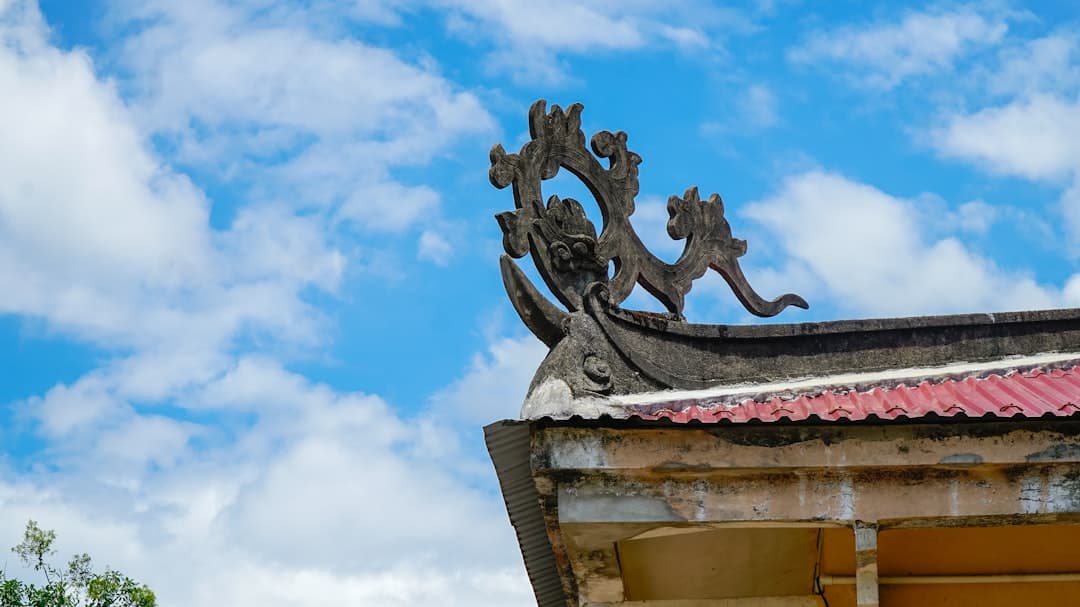
The architecture is a blend of Chinese and French colonial influences, with ornate roofs adorned with dragon motifs and lacquered doors that have withstood the test of time. The iconic Ngo Mon Gate serves as the main entrance to the citadel, showcasing a stunning fusion of military fortifications and ceremonial grandeur. Its five entrances symbolize the five elements of Confucian philosophy—Metal, Wood, Water, Fire, and Earth—each representing a facet of the universe.

As you explore the inner sanctum, the Imperial Enclosure reveals the grandeur of royal life. The Dinh Tien Hoang and Thai Hoa Palaces stand as monumental testaments to the Nguyen Dynasty's architectural prowess. The intricate carvings and vibrant murals depict tales of valor and spirituality, inviting contemplation about the lives led within these hallowed walls. The sound of ceremonial gongs and incense wafts through the air, creating a sensory experience that deepens the connection to the past.

Beyond the palatial structures, the tranquil gardens offer respite from the historical fervor. The fragrant lotus ponds and meticulously arranged bonsai trees invite moments of reflection, a chance to absorb the serenity that once enveloped the imperial family. Visitors often engage in quiet contemplation, pondering the lives that were lived here, the decisions made, and the legacy left behind.

"Hue is a city that breathes history, each landmark whispering secrets of a bygone era."

The Insider's Gem

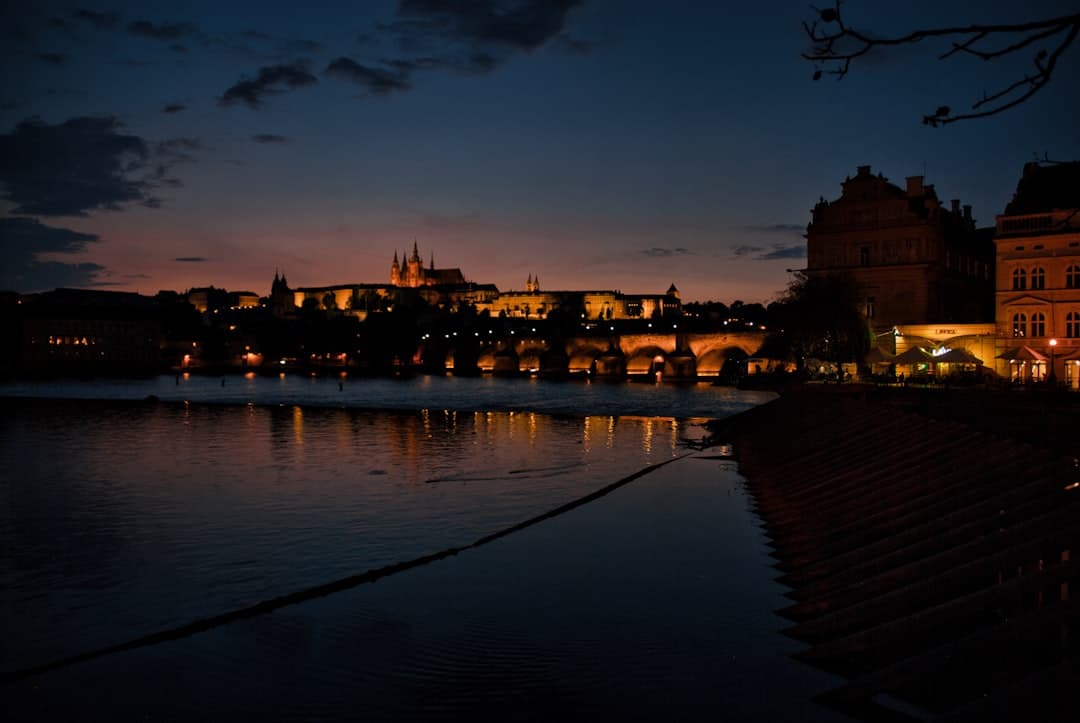
For those seeking an authentic experience, visiting the Thien Mu Pagoda at dusk is a must. Perched on a hill overlooking the Perfume River, this iconic structure is not only a religious site but also a cultural landmark imbued with stories of the past. As the sun sets, casting golden hues across the sky, the pagoda becomes a serene sanctuary, a perfect spot for reflection.

The seven-story pagoda, which dates back to the 14th century, is a masterpiece of traditional Vietnamese architecture, adorned with intricate details and surrounded by lush gardens. Its location provides a panoramic view of the river, making it an ideal setting for photography enthusiasts. The ambiance is serene, punctuated by the gentle sounds of nature and the distant chanting of monks. It's not just a visual spectacle; the experience is heightened by the spiritual significance of the site. Visiting during this time allows for an intimate connection with the land, offering a glimpse into the spiritual life that continues to thrive in Hue.

Engage with local monks who often welcome visitors for brief conversations, sharing insights into the Buddhist practices that shape the community. This interaction enriches the visit, offering a deeper understanding of the cultural fabric that defines Hue. It’s a moment where history, culture, and spirituality converge, allowing travelers to appreciate the essence of this remarkable city.

"The Thien Mu Pagoda at dusk transforms into a realm of tranquility, where time seems to stand still."

The Concise Guide

Social Norms

  • When visiting religious sites, it is customary to bow your head slightly as a sign of respect.
  • Speaking softly is appreciated, as these are places of worship and reflection.

Dress Codes

  • Modest attire is required in temples and pagodas. Ensure shoulders and knees are covered.
  • Comfortable footwear is advisable, as you may encounter uneven surfaces.

Strategic Timing

  • For fewer crowds, aim to visit early in the morning or late afternoon.
  • Weekdays are generally quieter than weekends, providing a more intimate experience.

Managing your itinerary on trip.express can help ensure you make the most of your time in Hue, allowing you to explore its historical landmarks at a leisurely pace.

The Little Black Book

  • Thien Mu Pagoda Address: Hương Long, Thành phố Huế, Thừa Thiên Huế, Vietnam Price: Free Opening Hours: Daily from 8 AM – 5 PM

  • Imperial City (Citadel) Address: Hùng Vương, Phú Hòa, Thành phố Huế, Thừa Thiên Huế, Vietnam Price: 150,000 VND (approx. $6.50 USD) Opening Hours: Daily from 7:00 AM – 5:30 PM

  • Forbidden Purple City Address: Within the Imperial City Price: Included with Imperial City ticket Opening Hours: Same as Imperial City

  • Thái Hòa Palace Address: Within the Imperial City Price: Included with Imperial City ticket Opening Hours: Same as Imperial City

In summary, Hue Imperial City is not just a geographical destination but a journey through time, culture, and heritage, making it an essential stop for any discerning traveler. The historical landmarks within its walls offer insights into Vietnam's past, while the serene atmosphere invites personal reflection and appreciation of a rich cultural legacy.

Share this story

Comments

Highly Anticipated

No comments yet

Be the first to share your thoughts with the community!

Leave a Reply