
“Explore the nuanced tipping etiquette in Vietnam with this comprehensive guide, revealing cultural insights, social norms, and specific recommendations for enhancing your travel experience.”
Tipping Etiquette: A Guide to Gratuity in Vietnam
THE HOOK
Understanding the nuances of tipping in Vietnam requires a deep dive into the cultural fabric of the nation. In contrast to many Western customs where gratuity is expected, Vietnam's approach to tipping is notably more nuanced. Here, the act of tipping can be seen as both an expression of gratitude and a cultural misunderstanding if not approached with care. This duality stems from a society that prides itself on hospitality and values the integrity of service. A modest tip can elevate a dining experience from good to memorable, while an overzealous gratuity may inadvertently create discomfort.
As the country merges traditional values with modern tourism, grasping the subtleties of gratuity not only enhances your travel experience but also fosters genuine connections with locals. The art of tipping in Vietnam is not merely transactional; it is a reflection of respect for the recipient and an acknowledgment of their service. Thus, understanding how to navigate this delicate landscape is essential for any discerning traveler seeking to immerse themselves fully in Vietnam's rich culture.
THE CONTEXT
Vietnam's history is steeped in layers of influence that have shaped its social customs, including tipping practices. Following centuries of dynastic rule, colonial governance, and a struggle for independence, the country has cultivated a unique ethos that values humility and respect. Traditionally, tipping was not a common practice in Vietnam, as the culture emphasized self-sufficiency and communal support over individual gain. Service workers often viewed their roles as a duty rather than a vocation reliant on tips for livelihood.
However, with the rise of tourism in the late 20th century, this perception began to shift. The influx of international visitors brought with it various customs and expectations regarding service. While many locals still regard tipping as optional, the service industry has adapted, particularly in urban centers like Ho Chi Minh City and Hanoi, where the demand for exceptional service is high. Here, the concept of gratuity is increasingly recognized as a gesture of appreciation.
Culturally, tipping is often reserved for certain scenarios—such as dining in high-end restaurants, taking guided tours, or utilizing hotel services. Understanding the historical context of Vietnam's hospitality can illuminate why many locals may feel uncomfortable with tipping, or why some may expect it. This complexity underscores the importance of approaching the subject with cultural sensitivity.
THE ATMOSPHERE
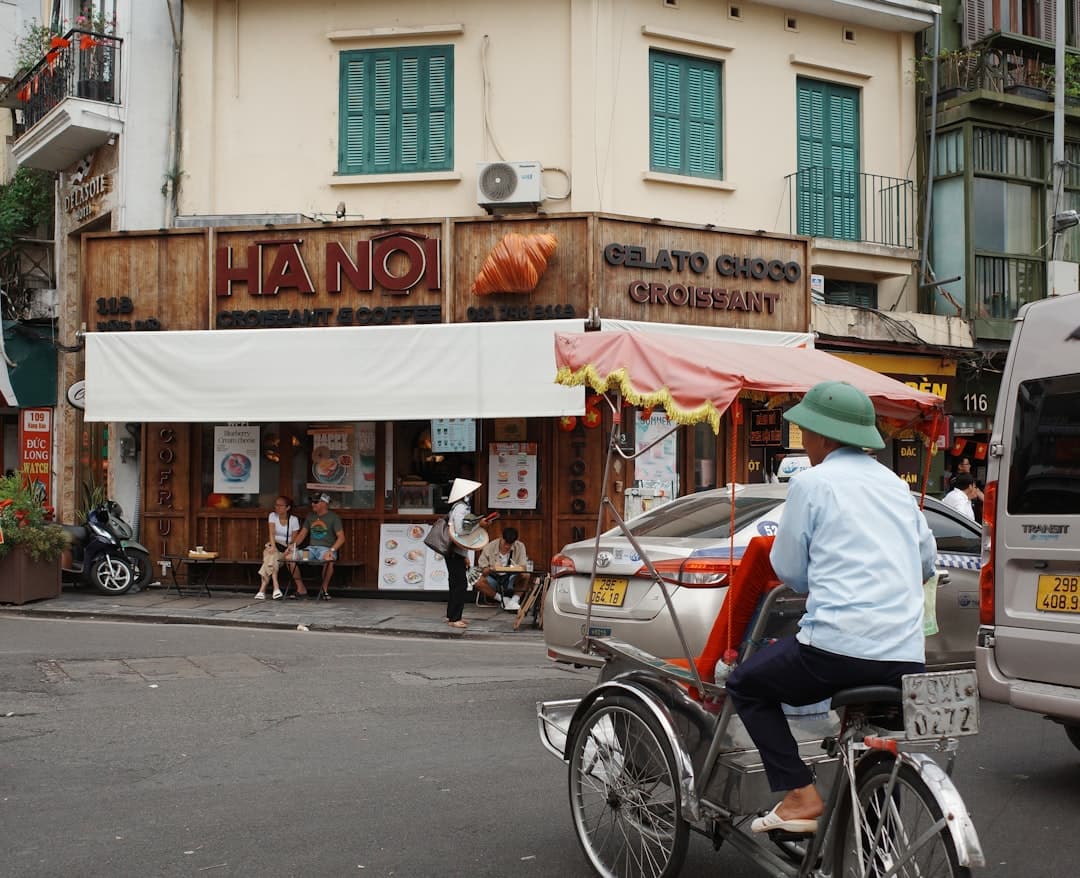
To truly appreciate Vietnam's tipping etiquette, one must first immerse themselves in the ambiance of its service settings. Picture a bustling street in Hanoi, where the air is laced with the scent of pho and the vibrant colors of street vendors vie for attention. Here, service is often informal, friendly, and quick. A simple nod of gratitude and a smile can often suffice, as local vendors pride themselves on providing good food and service without the expectation of tips.
However, as you step into the luxurious surroundings of a five-star hotel or a high-end restaurant, the atmosphere shifts dramatically. The architecture—often a blend of colonial elegance and modern design—creates an inviting yet sophisticated environment. Staff members are trained in the subtleties of high-end service, where attention to detail is paramount. In these settings, tipping takes on a new significance, as it acknowledges the training and effort that goes into providing an exceptional experience.
The service here is anticipatory, with staff often reading guests' needs before they are even expressed. From the moment you enter, the ambiance is enhanced by unobtrusive yet attentive service. A well-timed tip can serve as a signal of your appreciation for their dedication, reinforcing a positive rapport.
In contrast, casual eateries and street food stalls operate under a different ethos. Here, patrons may leave small change or express gratitude verbally rather than through monetary means. Understanding these dynamics allows travelers to navigate the spectrum of service in Vietnam with ease.
"A modest tip can elevate a dining experience from good to memorable."
THE INSIDER'S GEM
To experience the authentic essence of Vietnamese hospitality and understand the intricacies of tipping, consider dining at a local establishment known for its commitment to service excellence. One such recommendation is Restaurant 41, located in Ho Chi Minh City. This establishment is celebrated not only for its exquisite cuisine but also for its dedication to creating a welcoming atmosphere.
Restaurant 41 offers a menu that showcases the best of Vietnamese flavors, emphasizing fresh, locally sourced ingredients. From the moment you enter, the staff greets you with warm smiles and genuine enthusiasm, setting the stage for a memorable dining experience. The décor is a blend of modern sophistication and traditional Vietnamese elements, creating an inviting yet upscale environment.
As you savor dishes like the Banh Xeo—Vietnamese pancakes bursting with flavor—take note of the service. Each course is thoughtfully presented, and the staff is attentive without being intrusive. It is here that you can witness the subtleties of Vietnamese tipping etiquette in action. A small tip, perhaps 5-10% of your bill, is not merely a formality; it is a heartfelt acknowledgment of the service provided.
The experience is further enhanced by the restaurant's commitment to sustainability, with a portion of the proceeds supporting local farmers and artisans. This, too, speaks volumes about the connection between service and community in Vietnam. In this setting, tipping transcends mere monetary exchange; it becomes a means of participating in the broader narrative of support and appreciation.
THE CONCISE GUIDE
Navigating the tipping landscape in Vietnam can be simplified by adhering to a few key guidelines:
Social Norms
- Tipping is generally not expected in casual settings but is appreciated in high-end restaurants and hotels.
- In street food stalls, leaving small change can be a nice gesture but is not obligatory.
- When in doubt, gauge the atmosphere and follow the lead of locals around you.
Dress Codes
- Dress codes can vary widely depending on the venue. High-end restaurants often require smart casual attire, while more relaxed eateries will accept casual wear.
- Always opt for comfortable clothing that reflects respect for the service staff, especially in upscale settings.
Strategic Timing
- Tipping is most commonly practiced at the end of your meal or service. In restaurants, leaving the tip on the table is customary.
- For guided tours, consider tipping at the end of the experience, reflecting the quality of service received throughout.
By adhering to these guidelines, travelers can navigate the tipping landscape with confidence, enhancing their interactions with local service staff and ensuring a respectful exchange.
THE LITTLE BLACK BOOK
- Restaurant 41 Address: 41 Le Duan, Ben Nghe, District 1, Ho Chi Minh City Price: Moderate to High, with mains averaging $15-$30 Opening Hours: Daily from 11:00 AM to 11:00 PM
Understanding the local customs surrounding tipping in Vietnam can significantly enrich your travel experience. By approaching the subject with cultural sensitivity and a genuine appreciation for the service provided, you not only foster goodwill but also create meaningful connections with the people and places you encounter. For those looking to manage their itinerary seamlessly while navigating these cultural nuances, trip.express offers a smart platform to streamline your travel experience.
Share this story
Comments
No comments yet
Be the first to share your thoughts with the community!