The War Remnants Museum: A Deep Dive into Vietnam’s History
Trip Express•Mar 9, 2026•5 min read
“.”
The War Remnants Museum: A Deep Dive into Vietnam’s History
The War Remnants Museum in Ho Chi Minh City stands not just as a repository of artifacts but as a poignant reminder of Vietnam's tumultuous past. It captures the complex narrative of the Vietnam War, a conflict that reshaped not only the country but also international perceptions of warfare and human resilience. The museum’s exhibits challenge visitors to confront the stark realities of war, emphasizing the profound impact on civilians and the lasting scars it has left on the nation’s psyche.
The museum’s architecture itself is a testament to its mission; a stark, unadorned structure that seems to echo the starkness of war. Visitors approach a series of aircraft and military vehicles displayed in the outdoor section, each a relic of past battles, inviting reflection on the cost of conflict. The juxtaposition of military might and the human stories behind each exhibit creates a compelling framework for understanding Vietnam's history.
The Context of Conflict
The War Remnants Museum is located in a city that was once the capital of South Vietnam and has evolved into a bustling metropolis steeped in rich history. Established in 1975, just months after the fall of Saigon, the museum originally focused on the American War in Vietnam, but has since broadened its scope to include the broader implications of war and peace.
Vietnam’s history is punctuated by centuries of colonial rule, first by the French and later marked by the intense conflicts of the 20th century. The museum serves as an educational platform, showcasing the effects of imperialism and militarism not only on Vietnam but also in regions affected by the war, including Cambodia and Laos.
Share this story
Comments
Highly Anticipated
- Be the first to share your thoughts!
No comments yet
Be the first to share your thoughts with the community!
Leave a Reply
Keep Reading
Recommended Stories
The exhibits encompass a range of perspectives, offering insights into the experiences of Vietnamese soldiers and civilians alike. Personal narratives, photographs, and artifacts provide a holistic view of the war's impact, inviting visitors to engage with the past in a meaningful way.
As you navigate through the museum, the stories of resilience and survival emerge, presenting a narrative of hope amidst despair. The War Remnants Museum is not merely a collection of historical artifacts; it is a living testament to the human capacity for endurance and reconciliation, representing a nation that has faced adversity and emerged with a renewed sense of identity.
The Atmosphere of Reflection
Stepping inside the War Remnants Museum is akin to entering a realm where the echoes of the past reverberate through the carefully curated exhibits. The museum's layout is both logical and evocative, leading visitors from one poignant display to another with a deliberate pace that fosters contemplation. The architecture is minimalist, ensuring that the focus remains firmly on the harrowing stories and artifacts that fill the space.
The main building houses a series of galleries that explore the themes of war and its consequences. One of the most striking aspects is the collection of photographs taken by war correspondents, each image capturing a moment of profound humanity amidst chaos. The photographs are not merely documentation; they serve as a powerful reminder of the cost of conflict on individuals and families.
In the outdoor area, visitors encounter aircraft, tanks, and artillery pieces, remnants of the war that loom large against the sky. The sheer scale and presence of these artifacts evoke a visceral response, prompting reflections on their historical significance. Each piece invites visitors to consider the stories of the people who were affected by these machines of war.
The museum also features a poignant display on Agent Orange, detailing the long-term effects of chemical warfare on both the environment and human health. This section serves as a powerful reminder of the lingering consequences of war, emphasizing the importance of remembrance and education.
Throughout the museum, the atmosphere is one of solemn reflection. While the content is undoubtedly heavy, it is balanced by a commitment to educating visitors about the lessons learned and the importance of peace. The museum acts as a bridge connecting the past with the present, fostering a dialogue about the ongoing implications of war and the necessity for understanding in a globalized world.
"The War Remnants Museum is not merely a collection of historical artifacts; it is a living testament to the human capacity for endurance and reconciliation."
The Insider's Gem: The Requiem Exhibition
Among the many exhibits, the Requiem exhibition stands out as a particularly moving space within the museum. Curated by a group of Vietnamese and international photographers, this exhibition portrays the human cost of war through the lens of those who documented it. The photographs, often stark and haunting, reveal the intimate experiences of individuals caught in the crossfire.
What sets the Requiem exhibition apart is its emphasis on the humanity of those who suffered. It captures not only the horrors of conflict but also moments of kindness, resilience, and solidarity amidst despair. The narratives woven into the photographs challenge the visitor to grapple with the complexities of war and its far-reaching effects.
Visiting the Requiem exhibition in the late afternoon is particularly impactful; the soft glow of the setting sun filtering through the windows adds a layer of poignancy to the images. As you stand before each photograph, you are drawn into the stories behind them, compelled to reflect on the individual lives that were forever altered by the war.
In this space, silence reigns. It is a sanctuary of remembrance, where visitors can process the weight of history in a contemplative atmosphere. It is also a call to action, reminding us of the importance of bearing witness to the past so that we may strive for a more peaceful future.
"The Requiem exhibition captures not only the horrors of conflict but also moments of kindness, resilience, and solidarity amidst despair."
The Concise Guide to Visiting the War Remnants Museum
Social Norms
Understanding local customs is essential when visiting cultural sites in Vietnam. Visitors are encouraged to show respect, particularly in solemn spaces such as the War Remnants Museum. Speaking softly and refraining from disruptive behavior are vital. It is also customary to ask permission before photographing individuals, especially in sensitive contexts.
Dress Codes
While there is no strict dress code, modest attire is recommended. Visitors should avoid overly casual clothing, such as shorts or tank tops, to maintain a respectful demeanor in this environment that recounts somber historical events.
Strategic Timing
To fully appreciate the museum and its exhibits, plan your visit during weekdays, ideally in the morning. This timing often results in fewer crowds, allowing for a more intimate experience with the artifacts and narratives. Late afternoons can also be a serene time to visit, particularly for those inclined to reflect in the museum's quieter spaces.
"Understanding local customs is essential when visiting cultural sites in Vietnam."
The Little Black Book
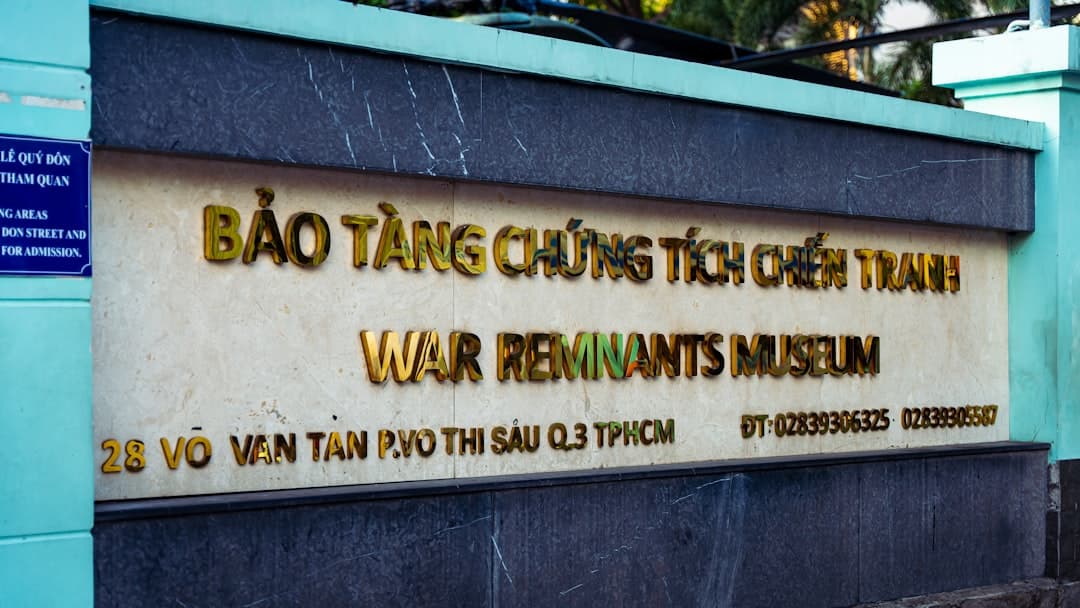
Address: 28 Vo Van Tan, Ward 6, District 3, Ho Chi Minh City, Vietnam
Price: Approximately 40,000 VND (Vietnamese Dong) for adults; discounts available for students and children.
Opening Hours: Daily from 7:30 AM to 6:00 PM. Last admission is at 5:30 PM.
For travelers seeking to navigate their itinerary efficiently, consider using trip.express for seamless planning and management of your visit to the War Remnants Museum. With its user-friendly interface, it helps ensure that your experience is both enriching and thoughtfully curated.