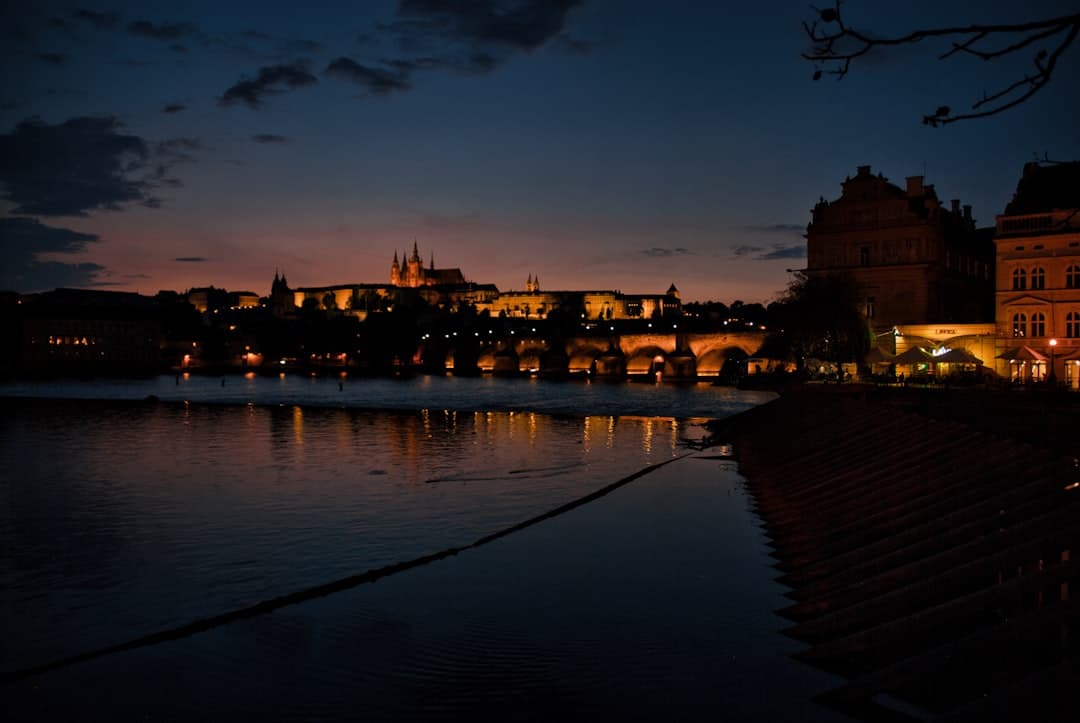


“Explore Rio de Janeiro beyond its famous beaches with our in-depth city guide. Discover the architectural marvels, cultural hubs, and local insights that define this vibrant city.”
Rio de Janeiro: Beyond the Beaches - Urban Rhythms and Hidden Alleys
The Hook
Rio de Janeiro, often romanticized for its sun-kissed beaches and vibrant carnival, holds a lesser-known allure in its urban heart. Beyond the sandy stretches, the city pulses with a rhythm dictated not by the waves but by the beats of samba echoing through its historic streets and the hum of everyday life. It's a city where the past and the present coexist like the gentle sway of a bossa nova tune.
"Rio's soul is found in its streets, where the echoes of history meet the whispers of today."
In the shadow of the iconic Christ the Redeemer, Rio’s urban landscape beckons the curious traveler to explore a city brimming with architectural marvels and cultural depth. This is not the Rio seen from the top of Sugarloaf Mountain but a city experienced through the echoes of its alleys and the warmth of its locals.
The Context
The city of Rio de Janeiro, established by the Portuguese in 1565, is a living tapestry of Brazil's colonial past and the vibrant mosaic of its cultural evolution. Walking its streets is akin to flipping through a history book; each neighborhood narrates a unique chapter of resilience and reinvention.
Santa Teresa, with its cobbled streets and tram-lined hills, is a testament to Rio's colonial era, where the grandeur of 19th-century mansions stands in contrast to modern street art. This neighborhood, once a retreat for Rio's elite, now serves as a canvas for artists and musicians, breathing new life into its storied past.
Lapa, synonymous with nightlife, is more than its famed arches. It is a cultural hub where the sounds of samba and choro spill out of century-old establishments, inviting even the most hesitant to join the dance. Here, the city’s Afro-Brazilian roots are celebrated through music and culinary traditions, offering a glimpse into the heart of Rio's diverse heritage.
"In Rio, history isn't just observed; it's lived and celebrated through every note and flavor."
The Atmosphere
To truly grasp Rio's essence, one must wander through its neighborhoods, where architecture tells stories. The Centro district, often overlooked, is a treasure trove of historical sites. The Theatro Municipal, inspired by the Paris Opera, stands as a beacon of the city's cultural aspirations, while the modernist lines of the Museum of Tomorrow point to its future.
The juxtaposition of old and new is palpable in the Confeitaria Colombo, a belle époque gem serving traditional pastries amidst opulent mirrors and stained glass. This is a place where time pauses, allowing for a moment of indulgence in both flavor and history.
"The architecture of Rio is a dialogue between the grandeur of its past and the boldness of its future."
In the bohemian neighborhood of Santa Teresa, art is omnipresent. The Selarón Steps, a mosaic masterpiece by Chilean artist Jorge Selarón, bridge the neighborhoods of Santa Teresa and Lapa, each tile a tribute to the artist's adopted city. The steps are a vibrant metaphor for Rio itself—colorful, eclectic, and full of stories.
As you navigate through these streets, the aroma of feijoada, a hearty black bean stew, wafts from local eateries, while the sound of laughter punctuates the air, a reminder that in Rio, life is celebrated in every moment.
The Insider's Gem
To escape the well-trodden paths, venture to the Instituto Moreira Salles, nestled in the affluent neighborhood of Gávea. This cultural institution, set within a modernist mansion, offers a serene retreat from the city's frenetic pace. Its gardens, designed by the renowned landscape architect Roberto Burle Marx, provide a lush backdrop to the rotating exhibitions of photography and art.
The institute is not just a gallery; it's an experience where art and nature coexist harmoniously. Attend a guided tour to delve deeper into the stories behind the collections, or simply enjoy a quiet moment in the café, overlooking the verdant landscape.
For a taste of Rio’s contemporary culinary scene, head to Aprazível, a restaurant perched on the hills of Santa Teresa. Here, the menu is a celebration of Brazilian flavors, using locally sourced ingredients to create dishes that are both innovative and authentic. The views from the terraces, offering panoramas of the city and Guanabara Bay, serve as the perfect accompaniment to the culinary journey.
The Concise Guide
Social Norms
- Greeting: A warm embrace or a double cheek kiss is common, especially once familiarity is established.
- Punctuality: While social gatherings may have a relaxed start time, business meetings tend to adhere to more punctual schedules.
Dress Codes
- Casual yet Chic: While beachwear is for the coast, city attire leans towards smart casual. Locals favor a well-put-together look for dining and social events.
Strategic Timing
- Avoid Peak Hours: Rio's traffic is infamous; plan city explorations for mid-morning or early afternoon.
- Festival Season: February is vibrant with Carnival, but for a quieter experience, visit in May or September.
"In Rio, time is an ally to be embraced, not a constraint to be feared."
The Little Black Book
Instituto Moreira Salles
- Address: R. Marquês de São Vicente, 476 - Gávea, Rio de Janeiro
- Opening Hours: Tuesday to Sunday, 11 AM to 8 PM
- Entry: Free
Aprazível
- Address: R. Aprazível, 62 - Santa Teresa, Rio de Janeiro
- Opening Hours: Tuesday to Saturday, 12 PM to 11 PM; Sunday, 12 PM to 6 PM
- Average Cost: $50-$100 per person
Manage your itinerary effortlessly with trip.express, your modern travel companion.
Share this story
Comments
No comments yet
Be the first to share your thoughts with the community!