
“Explore Phong Nha-Kẻ Bàng National Park, a UNESCO World Heritage Site, known for its extraordinary caves and rich ecosystems. Discover hidden treasures, local culture, and practical travel tips for an immersive experience.”
Phong Nha-Kẻ Bàng National Park: A Journey Through Ancient Caves and Biodiversity
The Hook
Phong Nha-Kẻ Bàng National Park is a geological masterpiece, a place where ancient limestone formations tell the story of millions of years of Earth’s history. This UNESCO World Heritage Site, located in central Vietnam, is renowned for its vast network of caves and rich biodiversity. Among these, the Phong Nha cave system stands out, housing some of the largest and most spectacular caves globally, including the famed Sơn Đoòng, which is not only the largest cave in the world but also supports its own ecosystem, complete with a rainforest thriving within its depths.
The geological formations here are a remarkable juxtaposition of towering limestone cliffs and dense tropical forests, creating an environment that is both visually striking and ecologically significant. The park is a sanctuary for diverse flora and fauna, including rare species endemic to the region. For the discerning traveler, Phong Nha-Kẻ Bàng offers an immersive experience that combines adventure and tranquility, making it a compelling destination for those seeking to connect with nature in its most raw and unfiltered form.
The allure of Phong Nha-Kẻ Bàng extends beyond its natural beauty; it is also steeped in the rich cultural history of the area, shaped by the lives of the local communities and the resilience they have shown over centuries. As you navigate the winding paths of this park, you will uncover layers of history that enhance your understanding of this extraordinary region.
The Context
The origins of Phong Nha-Kẻ Bàng National Park can be traced back over 400 million years, when the region was submerged under a vast sea. The limestone deposits laid down during this time have since been sculpted by the forces of nature, giving rise to a dramatic landscape filled with deep valleys, towering peaks, and a labyrinth of caves. The park covers an area of approximately 885 square kilometers and is home to some of the most complex karst topography in the world.
Phong Nha-Kẻ Bàng was designated a national park in 2001 and recognized as a UNESCO World Heritage Site in 2003, primarily due to its unique geological and biological features. The park is not only a haven for adventurers seeking the thrill of exploring its caves but also a critical area for biodiversity, housing over 1,000 plant species and 200 types of animals, including the endangered black-shanked douc langur.
The cultural heritage of the region is equally rich. The area is home to several ethnic minority groups, including the Bru-Vân Kiều and the Chứt, each with their own traditions and ways of life. These communities have coexisted with the natural environment for generations, utilizing the resources of the forest while maintaining a deep respect for the land. Engaging with local customs, such as traditional farming and handicrafts, offers an additional layer of depth to any visit.
The history of conflict in Vietnam has also shaped the park's narrative. During the Vietnam War, the caves served as shelters for soldiers and locals, adding a poignant historical context to the stunning scenery. Today, visitors can find remnants of this era, including tunnels and war relics, providing a deeper understanding of how the land has been both a refuge and a battleground.
The Atmosphere
As you enter Phong Nha-Kẻ Bàng National Park, a sense of tranquility envelops you, contrasting sharply with the bustling life outside its borders. The air is thick with the scent of damp earth and lush vegetation, while the sounds of chirping birds and rustling leaves create a soothing soundtrack. The park's entrance is a gateway to adventure, marked by a visitor center that provides essential information about the area’s attractions and ecological significance.
The roads that wind through the park are lined with towering limestone cliffs, resembling ancient sentinels watching over the land. Frequent stops along these routes offer breathtaking views of the karst landscape, where sunlight filters through the foliage, illuminating the intricate rock formations. The landscape is punctuated by serene rivers and streams that meander through the valleys, inviting exploration and reflection.
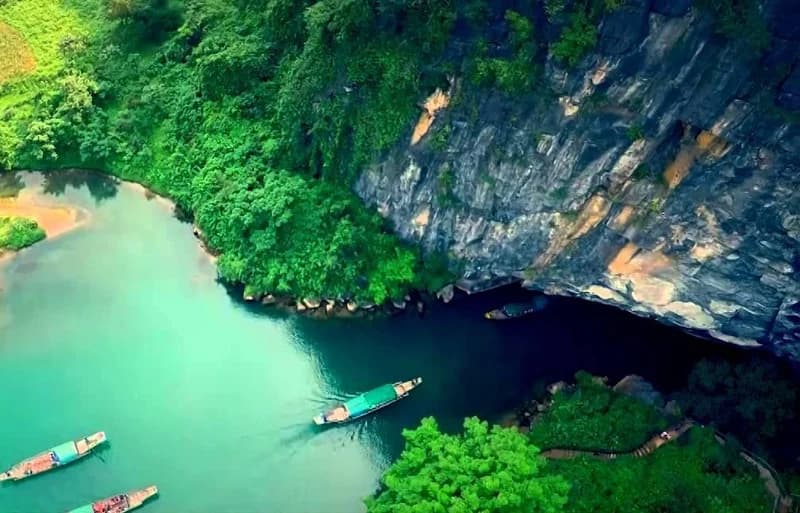
Inside the caves, the atmosphere shifts dramatically. The temperature drops, and the air becomes cool and moist. The interiors are adorned with stunning stalactites and stalagmites, formed over millennia. Each cave tells its own story, with unique formations that captivate the imagination. The Phong Nha cave itself is accessible by boat, allowing visitors to glide silently across the water, absorbing the ethereal beauty that surrounds them.
Service in the park is attentive yet unobtrusive, with local guides offering invaluable insights into the ecology and history of the area. Whether you are trekking through the jungle or embarking on a cave expedition, the guides ensure that you engage fully with the environment and respect its delicate ecosystem. Their knowledge enhances the experience, transforming a simple hike into a journey of discovery.
Dining options within and around the park reflect the local culture, with fresh ingredients sourced from nearby farms and rivers. Local specialties include dishes like “bánh xèo” (Vietnamese pancakes) and “thịt heo rừng” (wild boar), which provide a delicious taste of the region’s culinary heritage. Each meal is an opportunity to connect with local flavors while enjoying the stunning natural backdrop.
The Insider's Gem
For an unforgettable experience, consider a guided expedition to Sơn Đoòng cave. This remarkable cave system offers a unique opportunity to witness the grandeur of nature’s artistry up close. The journey to Sơn Đoòng is not for the faint of heart, but the rewards are immense. As you traverse the rugged terrain, you’ll be greeted by incredible views and the chance to encounter rare wildlife.
The expedition typically spans several days, allowing ample time to explore the caverns and the rainforest that thrive within. The atmosphere inside the cave is surreal; the immense chambers are filled with towering stalagmites and intricate rock formations. The light filtering through the cave openings creates a mesmerizing interplay of shadows and highlights, enhancing the otherworldly ambiance.
One of the highlights of the journey is the chance to witness the cave’s unique ecosystem, which includes a variety of plant species that have adapted to the conditions. The guides provide fascinating insights into the ecological significance of the area, deepening your appreciation for this natural wonder.
To ensure a meaningful experience, it is crucial to book your expedition in advance through reputable operators who prioritize sustainability and conservation. These operators will provide you with the necessary gear and training, allowing you to immerse yourself fully in this breathtaking environment while respecting its integrity.
As you stand within the vastness of Sơn Đoòng, you will be reminded of the power and beauty of nature, making it a highlight of any journey to Phong Nha-Kẻ Bàng National Park.
The Concise Guide
Social Norms
When visiting Phong Nha-Kẻ Bàng, it is essential to respect local customs. Engaging with local communities in a polite manner is appreciated, and simple greetings in Vietnamese can go a long way. Additionally, it is advisable to ask permission before photographing individuals, particularly in rural areas.
Dress Codes
Given the park's varied terrain, wearing comfortable, moisture-wicking clothing and sturdy hiking boots is crucial. Lightweight, breathable fabrics will help you stay cool during the day, while an extra layer is recommended for cooler evenings, especially in the caves.
Strategic Timing
The best time to visit Phong Nha-Kẻ Bàng is during the dry season, from November to April, as this minimizes the risk of flooding that can limit access to certain caves. Early mornings offer a quieter experience, allowing for more intimate encounters with nature before the crowds arrive.
The Little Black Book
- Address: Phong Nha-Kẻ Bàng National Park, Quảng Bình Province, Vietnam
- Price: Entrance fee is approximately 150,000 VND (around $6 USD) per person; guided tours vary depending on the length and inclusions.
- Opening Hours: Daily from 7:00 AM to 5:00 PM, though cave tours may have specific schedules.
For those planning a visit, managing your itinerary can be streamlined with tools like trip.express, ensuring you make the most of your time in this exceptional destination.
Share this story
Comments
No comments yet
Be the first to share your thoughts with the community!