

“Explore Okinawa, Japan's southern islands, where rich culture meets stunning landscapes. Discover the island's unique history, culinary delights, and insider tips for an enriching travel experience.”
Okinawa: The Cultural Mosaic of Japan's Southern Islands
The Hook
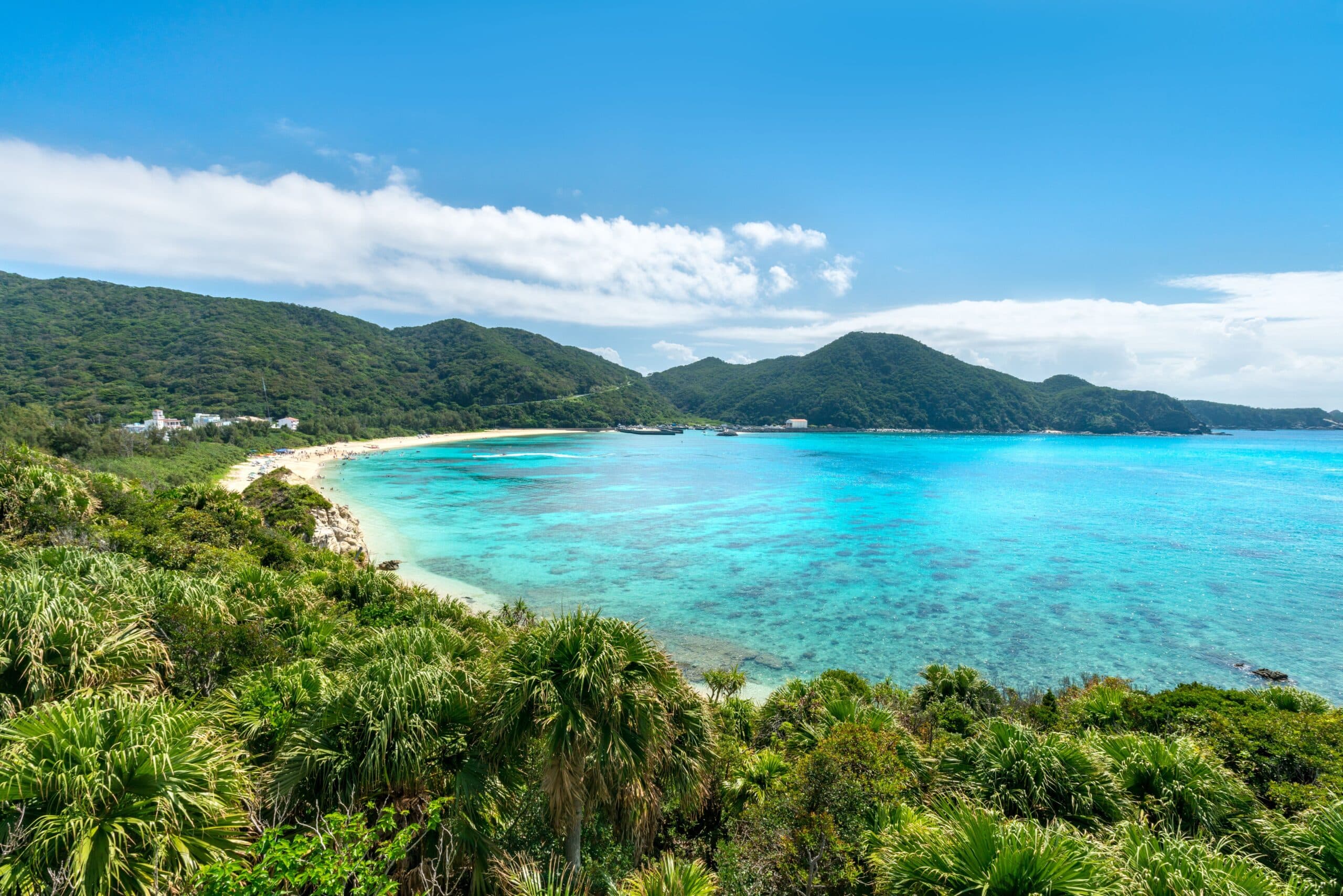
Okinawa stands apart within Japan’s archipelago, not only for its stunning natural beauty but for its rich cultural tapestry woven from centuries of diverse influences. As the southernmost prefecture, it boasts a unique blend of indigenous Ryukyu traditions, Chinese heritage, and American post-war influences, creating a vibrant identity that is both distinct and captivating. Unlike the more familiar urban landscapes of Tokyo or Kyoto, Okinawa invites travelers to explore a slower-paced lifestyle, where the spirit of minpaku (hospitality) thrives, and local customs shape daily life. Here, the azure waters meet lush landscapes, but it is the culture and community that truly define the experience. From the exquisite art of kumiodori (classical dance) to the culinary delights of Okinawa soba, every corner of this island is steeped in history and story. This guide will navigate the intricate layers of Okinawan culture, equipping you with insights that go beyond the surface, ensuring an authentic and enriching visit.
The Context
Okinawa's history is a complex interplay of local, regional, and international dynamics. Originally part of the Ryukyu Kingdom, which flourished from the 15th to the 19th centuries, Okinawa was a hub of trade and cultural exchange between Japan, China, Korea, and Southeast Asia. The Ryukyu Kingdom's influence is still palpable in Okinawa’s language, festivals, and crafts, making it a living museum of traditions.
The annexation of Okinawa by Japan in 1879 marked a significant shift, as the islands began to assimilate into the Japanese Empire, leading to cultural tensions that continue to resonate today. The aftermath of World War II brought further complexity, as the islands were under U.S. administration until 1972. This period introduced a unique blend of American culture, evident in both the architecture and lifestyle.
Today, Okinawa is often viewed through the lens of its renowned health benefits and longevity, attributed to a diet rich in vegetables and fish, as well as a slower, community-oriented way of life. Yet, while these factors contribute to its allure, it is the resilience and spirit of the Okinawan people that truly encapsulate the essence of these islands. Understanding this historical context is essential for any traveler looking to appreciate the depth of Okinawa’s cultural mosaic, where each layer adds to the island's unique identity.
The Atmosphere
Arriving in Okinawa, you are immediately enveloped by a sense of warmth and welcome. The landscape is punctuated by traditional gusuku (castles) and shurijo (royal palaces), with their distinct architectural styles featuring red-tiled roofs and intricate woodwork that reflect the island's heritage. The air is fragrant with the scent of tropical flowers, and the sound of waves crashing against the shore creates a serene backdrop for exploration.
The service culture in Okinawa is deeply rooted in the concept of omotenashi, where hospitality is not merely a service but a genuine expression of care. This is evident in local eateries where the owners greet you with a smile and take pride in sharing their culinary traditions. Dining in Okinawa is an experience in itself, with dishes like rafute (braised pork belly) and goya champuru (stir-fried bitter melon) showcasing local ingredients and flavors. Expect to be invited to share stories over a cup of awamori, a traditional Okinawan spirit, enhancing the communal aspect of every meal.
Exploring the streets, you will encounter vibrant markets filled with local crafts, textiles, and fresh produce, each stall telling a story of the island's agricultural legacy. The Makishi Public Market in Naha is a sensory delight, where you can sample fresh sashimi, pick up handmade pottery, or simply soak in the lively atmosphere.
In contrast to the bustling markets, the serene beaches of Okinawa offer a chance to unwind. The soft sands and crystal-clear waters of Emerald Beach or Zanpa Beach provide the perfect backdrop for reflection, while the coral reefs invite adventure seekers to explore a rich underwater world. The juxtaposition of activity and tranquility encapsulates the Okinawan experience, allowing for both exploration and relaxation.
“Okinawa is not just a destination; it is a journey through time, culture, and community.”
The Insider's Gem
Among the myriad experiences Okinawa has to offer, a visit to the Okinawa Churaumi Aquarium is a must for any traveler seeking a deeper connection to the region. Home to one of the largest tanks in the world, this aquarium is not only a celebration of marine life but also a testament to Okinawa's commitment to conservation and education.
The aquarium features an impressive array of marine species, including the majestic whale shark, which gracefully glides through the massive tank, captivating visitors with its size and beauty. More than just a display, the aquarium serves as an educational platform, providing insights into the delicate ecosystems surrounding the Okinawa islands. The interactive exhibits invite guests to engage with marine biology, enhancing their understanding of the importance of conservation efforts.
Plan your visit strategically for the feeding sessions, where you can witness the sheer scale of the feeding process and learn about the diets of various species. The aquarium is not just an attraction but an opportunity to connect with the ocean and appreciate the unique biodiversity that Okinawa harbors.
Additionally, the surrounding Ocean Expo Park offers beautiful gardens and cultural exhibits, making it easy to spend an entire day immersed in the natural beauty and cultural richness of the area. This comprehensive experience allows travelers to appreciate the intricate relationship between Okinawa’s culture and its environment.
“The Okinawa Churaumi Aquarium is a living representation of the island's commitment to its marine heritage.”
The Concise Guide
Social Norms
- Respect for local customs is paramount. Always greet with a bow and use polite language. When invited to someone's home, it’s customary to bring a small gift.
Dress Codes
- While Okinawa is generally casual, beachwear is not suitable for shops or restaurants. Opt for smart casual when dining out.
Strategic Timing
- The best time to visit Okinawa is during the spring (April to June) and fall (September to November) when the weather is pleasant and festivals are in full swing. Avoid peak summer months to sidestep the crowds and sweltering heat.
For a seamless travel experience, utilize trip.express to manage your itinerary, ensuring you maximize your time exploring Okinawa’s cultural offerings.
The Little Black Book
-
Okinawa Churaumi Aquarium Address: 424 Ishikawa, Motobu, Okinawa 905-0206, Japan Price: ¥1,880 (Adults), ¥620 (Children) Opening Hours: 8:30 AM - 6:30 PM (last admission at 6:00 PM)
-
Makishi Public Market Address: 2 Chome-10-1 Makishi, Naha, Okinawa 900-0013, Japan Price: Free Entry Opening Hours: 8:00 AM - 8:00 PM
-
Emerald Beach Address: 2-1, 4 Chome, Kijimuna, Motobu, Okinawa 905-0206, Japan Price: Free Entry Opening Hours: 24 Hours
Okinawa is a multifaceted destination that invites exploration, understanding, and appreciation. By immersing yourself in its culture, history, and natural beauty, you will discover an island that extends beyond its picturesque landscapes, offering a rich experience that resonates long after you leave.
Share this story
Comments
No comments yet
Be the first to share your thoughts with the community!