Navigating Vietnam's Transportation System for First-Timers
Trip Express•Mar 9, 2026•5 min read
“Explore Vietnam's diverse transportation system with our comprehensive guide. From bustling city streets to serene waterways, learn how to navigate like a local and enhance your travel experience.”
Navigating Vietnam's Transportation System for First-Timers
The Hook
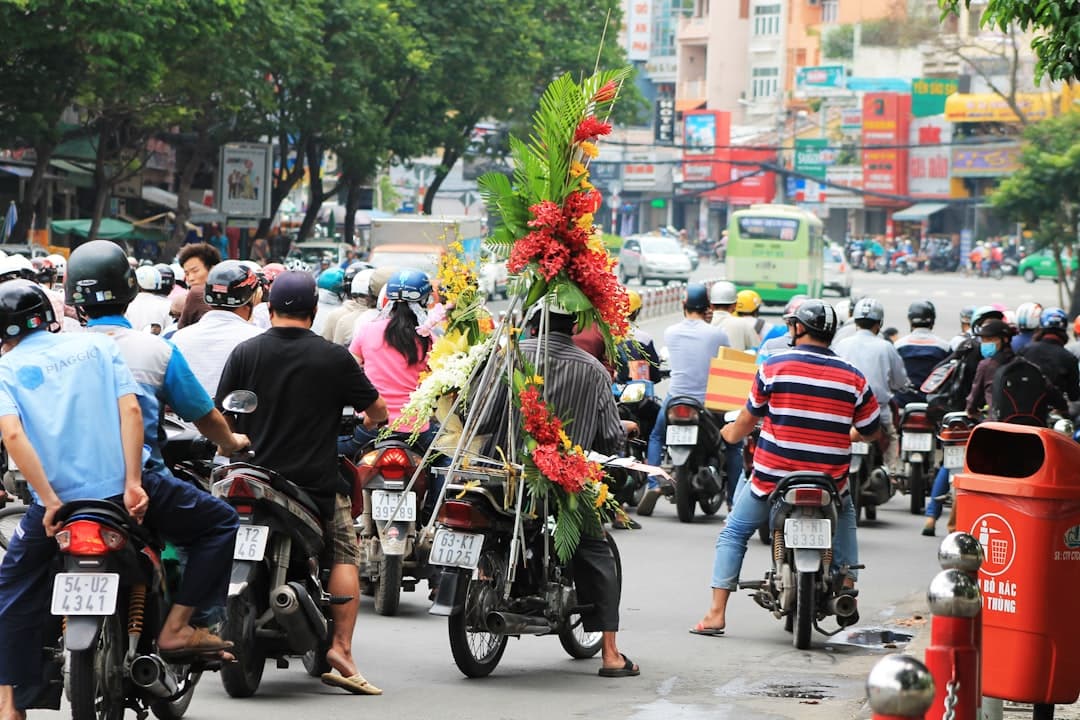
Vietnam, a country rich in history and culture, presents a vibrant tapestry of transportation options that can be both exhilarating and bewildering for first-time visitors. The chaotic symphony of honking motorbikes, the orderly yet bustling rhythm of buses, and the tranquil glide of boats through its picturesque waterways all contribute to an intricate system that reflects the nation's spirit. Navigating this diverse transportation landscape is not just a means of getting from point A to point B; it is an immersive experience that encapsulates the essence of Vietnamese life. From the crowded streets of Ho Chi Minh City to the serene canals of the Mekong Delta, understanding the nuances of each mode of transport can enhance your journey and provide a deeper connection to the local culture.
With over 60 million registered motorbikes, Vietnam's roads are a testament to the country's love affair with two wheels. The sight of locals deftly maneuvering through traffic, often with a child or even a chicken in tow, creates a scene that is unique to this Southeast Asian nation. For the sophisticated traveler, tapping into this local transportation ethos offers a chance to engage with the rhythms of daily life, creating a richer narrative of your travels. However, as enticing as this may sound, first-timers must approach Vietnam’s transportation system with a blend of curiosity and caution to truly navigate its complexities.
The Context
Vietnam's transportation system is a reflection of its dynamic history and evolving culture. The country has undergone significant transformations in the last century, from colonial rule to war, and more recently, to rapid modernization and economic reform. This evolution has shaped not only how people move through the country but also the very infrastructure that supports these journeys.
Share this story
Comments
Highly Anticipated
- Be the first to share your thoughts!
No comments yet
Be the first to share your thoughts with the community!
Leave a Reply
Keep Reading
Recommended Stories
Historically, the French colonial period introduced railways and roads that connected major cities, laying the groundwork for a more organized transport network. Today, Vietnam boasts an extensive public transport system, including buses, taxis, and rail services, catering to both locals and tourists alike. Each mode of transport serves a distinct purpose, influenced by geography, urbanization, and the unique lifestyle of its inhabitants.
In urban centers like Hanoi and Ho Chi Minh City, the prevalence of motorbikes is a direct response to the need for flexibility in navigating congested roads. Conversely, in rural areas, boats and bicycles remain popular, reflecting the country’s agricultural roots and reliance on waterways for transport. As you traverse Vietnam, you will witness a blend of old and new, where ancient practices coexist with modern conveniences, each adding depth to the travel experience.
The Vietnamese government's investments in public transport infrastructure, including the expansion of metro systems and improved bus services, signal a commitment to enhancing urban mobility while preserving the charm of traditional methods. Understanding this context is vital for navigating Vietnam's transportation system effectively, as it empowers travelers to appreciate the significance behind each journey.
The Atmosphere
Stepping into the bustling streets of Vietnam, particularly in its major cities, transports you into a world where every street corner tells a story. The architecture reflects a blend of colonial charm and modern design, with French-inspired buildings standing shoulder to shoulder with contemporary structures. As you navigate the city, the atmosphere is alive with energy; the air is filled with the sounds of honking horns, laughter, and the enticing aroma of street food wafting from nearby stalls.
Public buses, often painted in bright colors, are an integral part of the urban landscape. They serve as a lifeline for many residents, offering an affordable and reliable means of transport. While the interiors may not exude luxury, the experience of riding alongside locals provides a unique insight into everyday life. The camaraderie observed in shared spaces often transcends language, as travelers and locals alike navigate the hustle and bustle together.
Taxis and rideshare services like Grab have emerged as popular alternatives for those seeking comfort and convenience. The ease of hailing a ride through a mobile app, combined with competitive pricing, makes this option appealing for first-time visitors. However, it is essential to remain vigilant about fare rates and ensure that the meter is used or that a fair price is negotiated beforehand.
For those looking to explore Vietnam's picturesque countryside, trains provide a scenic and leisurely alternative. The railway system, while not as extensive as other modes, offers a journey that meanders through lush landscapes, providing a glimpse of rural life. The sleeper trains, in particular, offer an opportunity to travel overnight, combining comfort with the thrill of watching the countryside pass by your window.
As you make your way through Vietnam, consider the waterways that have long been a cornerstone of transport in this nation. The Mekong Delta's intricate network of rivers and canals offers a unique perspective, allowing for boat trips that reveal the region's natural beauty and cultural heritage. This mode of transport not only facilitates travel but also connects you to local communities that thrive along the banks, showcasing the symbiotic relationship between people and water.
The Insider's Gem
While navigating Vietnam’s transportation system, one must not overlook the opportunity to experience the tranquil beauty of the Mekong Delta through a guided boat tour. This recommendation encapsulates the essence of Vietnam’s intricate waterways, offering a unique perspective that contrasts sharply with the frenetic pace of urban life.
Embarking on a boat trip, you will find yourself gliding through a labyrinth of rivers, observing the daily lives of locals as they engage in fishing, farming, and commerce. The delta's lush greenery and the soft sounds of water create an atmosphere of serenity, allowing you to escape the chaos of the cities. Opt for a small group tour, which not only supports local businesses but also enhances your experience by providing insights from knowledgeable guides who share the rich history and culture of the region.
During your tour, be sure to sample local delicacies such as fresh fruits harvested from the surrounding orchards or traditional dishes prepared by families along the riverbanks. This gastronomic element adds a layer of authenticity to your journey, allowing you to taste the flavors of the Mekong Delta as you immerse yourself in its beauty.
A recommended time to embark on this journey is in the early morning, when the delta awakens, and local markets come alive with activity. The golden light filtering through the trees creates an enchanting atmosphere, perfect for photography or simply soaking in the tranquil surroundings.
This experience embodies the heart of Vietnam, illustrating how transportation can serve as a gateway to understanding the country’s culture, traditions, and the indomitable spirit of its people. Managing your itinerary on trip.express allows you to efficiently plan this excursion, ensuring you don't miss out on the opportunity to explore this remarkable region.
The Concise Guide
When navigating Vietnam’s transportation system, understanding the local customs and expectations can significantly enhance your experience. Here are some essential tips:
Social Norms
Respect Personal Space: While the streets may be crowded, locals appreciate personal space, especially in quieter areas. Avoid standing too close to others in line or while waiting for transport.
Politeness is Key: A simple greeting or “xin chao” (hello) often goes a long way in establishing rapport with locals.
Dress Codes
Casual Yet Respectful: Dress comfortably, especially for long journeys. However, when visiting temples or rural areas, modest clothing is recommended—shoulders and knees should be covered.
Footwear: Comfortable shoes are essential for walking and exploring. Consider leaving shoes at the door when entering homes or some local establishments.
Strategic Timing
Peak Hours: Be mindful of peak hours, particularly in major cities. Traveling during off-peak times (mid-morning or early afternoon) can make for a more pleasant journey.
Local Holidays: Familiarize yourself with local holidays, such as Tet (Lunar New Year), when transportation can become crowded and schedules may change.
Navigating Vietnam's transportation system can be an enriching experience, and with these tips, you are better equipped to connect with the local culture while enjoying your travels.
The Little Black Book
Mekong Delta Boat ToursAddress: Various departure points, including My Tho and Can Tho.
Price: Approximately $20-$50 per person, depending on the tour package.
Opening Hours: Tours typically operate from 7 AM to 5 PM.
Hanoi Public TransportAddress: Various bus stops throughout the city.
Price: Approximately 7,000 VND (around $0.30) per ride.
Opening Hours: Buses operate from 5 AM to 10 PM.
Ho Chi Minh City Taxi ServicesAddress: Available throughout the city.
Price: Metered fares starting around 15,000 VND (approximately $0.65).
Opening Hours: 24/7 availability.
Understanding the nuances of Vietnam's transportation system is crucial for any traveler. With a little preparation and an open mind, you will not only navigate the roads and waterways with ease but also truly immerse yourself in the vibrant culture that is at the heart of this remarkable nation.
For an efficient travel experience, consider using trip.express to manage your itinerary and explore the best transport options available for your journey.