

“Explore the rich tapestry of Vietnamese tea culture through this comprehensive guide, highlighting authentic experiences, insider recommendations, and essential tips for the discerning traveler.”
How to Experience Authentic Vietnamese Tea Culture
THE HOOK
Vietnam is not just a destination; it is an experience deeply rooted in a rich tapestry of traditions and cultural nuances, one of the most exquisite being its tea culture. In a world increasingly dominated by fast-paced consumption, Vietnamese tea serves as a reminder of mindfulness and simplicity. The act of brewing and savoring tea is not merely about the beverage; it is a ritual steeped in history, community, and a philosophy of life.
The Vietnamese take their tea seriously, with over 100 distinct varieties that reflect the diverse landscapes of the country—from the misty mountains of Sapa to the lush valleys of Da Lat. Each cup tells a story, embodying the essence of local ingredients and centuries of tradition. The experience is as much about the setting as it is about the tea itself. In bustling cities like Hanoi and Ho Chi Minh City, tea houses offer an oasis amid the noise, inviting travelers to pause and engage with the local culture. Here, one can witness the intricate dance of preparation, where leaves are steeped, scents are savored, and conversations flow as freely as the tea.
To truly appreciate Vietnamese tea culture, one must delve beyond the surface. This guide will navigate the complexities of this rich tradition, offering insights and recommendations to elevate your experience. Whether you are a seasoned tea connoisseur or a curious traveler, the world of Vietnamese tea awaits, promising an authentic journey of taste and connection.
THE CONTEXT
Tea has long been a cornerstone of Vietnamese culture, tracing its origins back over a millennium. While its introduction is often attributed to Chinese influence, the Vietnamese have cultivated their unique relationship with tea, integrating it into daily life and rituals. The variety of regional teas reflects local climates, agricultural practices, and cultural preferences. For instance, the famed green tea from Thai Nguyen is celebrated for its freshness and subtle flavors, while the delicate lotus tea of Hanoi offers a fragrant experience, as the tea leaves are infused with the aroma of lotus blossoms.
The consumption of tea in Vietnam is not a solitary affair but a communal one, deeply embedded in social rituals. Tea houses, often family-owned, serve as gathering places where stories are exchanged, and connections are forged. The preparation of tea is also an art form, requiring patience and skill. From the choice of leaves to the temperature of the water, every detail is considered to create the perfect brew.
As modernization sweeps through urban centers, traditional tea houses face challenges from contemporary cafes and fast-paced lifestyles. Yet, many establishments remain steadfast in preserving the authenticity of Vietnamese tea culture. They offer a glimpse into the past, where time slows down and the act of brewing tea becomes a meditative practice. By engaging with these spaces, travelers can appreciate not just the beverage but also the cultural significance behind it.
THE ATMOSPHERE
Stepping into a traditional Vietnamese tea house is akin to entering a serene sanctuary. The ambiance is often characterized by wooden furnishings, soft lighting, and the gentle sound of boiling water. Many tea houses incorporate elements of traditional Vietnamese architecture, with intricately carved wooden screens and bamboo accents that evoke a sense of warmth and nostalgia.
In Ho Chi Minh City, for instance, the Tea Room immerses visitors in a tranquil setting adorned with lush greenery. The air is filled with the soothing aroma of freshly brewed tea, inviting guests to unwind. The service is attentive yet unobtrusive, allowing patrons to savor each sip at their own pace. Here, the staff are not just servers; they are tea enthusiasts eager to share the stories behind each blend.
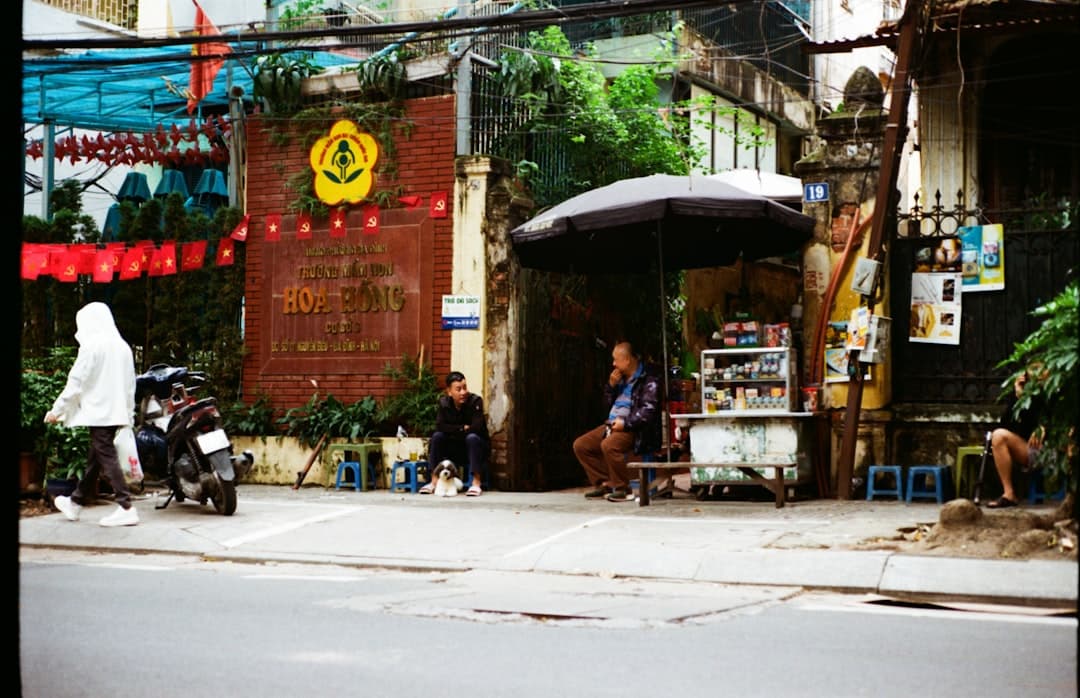
Contrast this with the bustling streets of Hanoi, where tea stalls line the sidewalks, and locals gather on low stools, sipping tea as they engage in animated conversations. These informal settings provide an authentic snapshot of daily life, where the ritual of tea transcends mere consumption. The vibrancy of the city is palpable, yet the act of sharing tea offers a moment of respite and connection.
The atmosphere in these establishments is enriched by the presence of traditional music, often played softly in the background. This adds an auditory layer to the experience, enhancing the senses as you navigate the nuances of flavor in your cup. The decor often features local art and crafts, reflecting the cultural heritage of the region, making each visit a feast for the eyes as well as the palate.
"In Vietnam, tea is not just about the drink; it is about the connections made over it."
Each tea house has its own character. Some embrace the modern aesthetic with minimalist designs, while others celebrate the rustic charm of traditional furnishings. Regardless of style, the common thread is a commitment to authenticity and a genuine passion for tea.
THE INSIDER'S GEM
Among the myriad of options, one establishment stands out for its dedication to preserving Vietnamese tea culture: Trà Đá in Hanoi. This tea house is a masterclass in the art of tea, offering an immersive experience that transcends the ordinary.
Located in the heart of the Old Quarter, Trà Đá combines traditional practices with a contemporary twist. The moment you enter, you are greeted by the sight of meticulously arranged tea leaves, each labeled with its origin and flavor profile. The knowledgeable staff, passionate about tea, guide you through the selection process, encouraging you to explore unfamiliar varieties.
One of the highlights at Trà Đá is the Lotus Tea Ceremony, a ritual that showcases the unique process of infusing green tea with the delicate aroma of lotus blossoms. This process involves hand-picking lotus flowers at dawn, followed by a meticulous layering of tea leaves within the blossoms. The result is a tea that embodies the essence of Vietnamese nature, offering a floral bouquet with each sip.
The atmosphere at Trà Đá is intimate and inviting. Patrons can choose to sit at traditional low tables, complete with floor cushions, or opt for more conventional seating. The design incorporates natural elements, with bamboo and wooden accents creating a harmonious environment.
Engaging with the staff is encouraged, as they are eager to share insights into the cultural significance of each tea. This interaction transforms the experience from simple consumption to a deeper appreciation of Vietnam's rich tea heritage.
"At Trà Đá, tea is not just a drink; it is a story waiting to be told."
THE CONCISE GUIDE
Social Norms: In Vietnam, sharing tea is a sign of hospitality and friendship. When offered a cup, it is polite to accept. Engaging in conversation while enjoying tea is customary and enhances the experience.
Dress Codes: While many tea houses maintain a casual atmosphere, it is advisable to dress smart-casual, especially in more upscale establishments. Avoid overly casual attire like beachwear.
Strategic Timing: The best time to experience tea culture is during the late afternoon or early evening. This is when locals unwind after a long day and tea houses come alive with conversation and laughter. Aim to visit during weekends for a more vibrant atmosphere.
THE LITTLE BLACK BOOK
- Trà Đá
- Address: 36 Lê Thái Tổ, Hoàn Kiếm, Hà Nội, Vietnam
- Price: Approximately $5 - $15 per person, depending on the tea selection.
- Opening Hours: Daily from 10:00 AM to 10:00 PM.
In conclusion, Vietnamese tea culture offers an authentic glimpse into the country's soul. By engaging with this tradition, you not only savor exquisite flavors but also forge connections with the local community. For a seamless experience, consider managing your itinerary on trip.express, ensuring you make the most of this enriching journey into Vietnam's tea heritage.
Share this story
Comments
No comments yet
Be the first to share your thoughts with the community!