

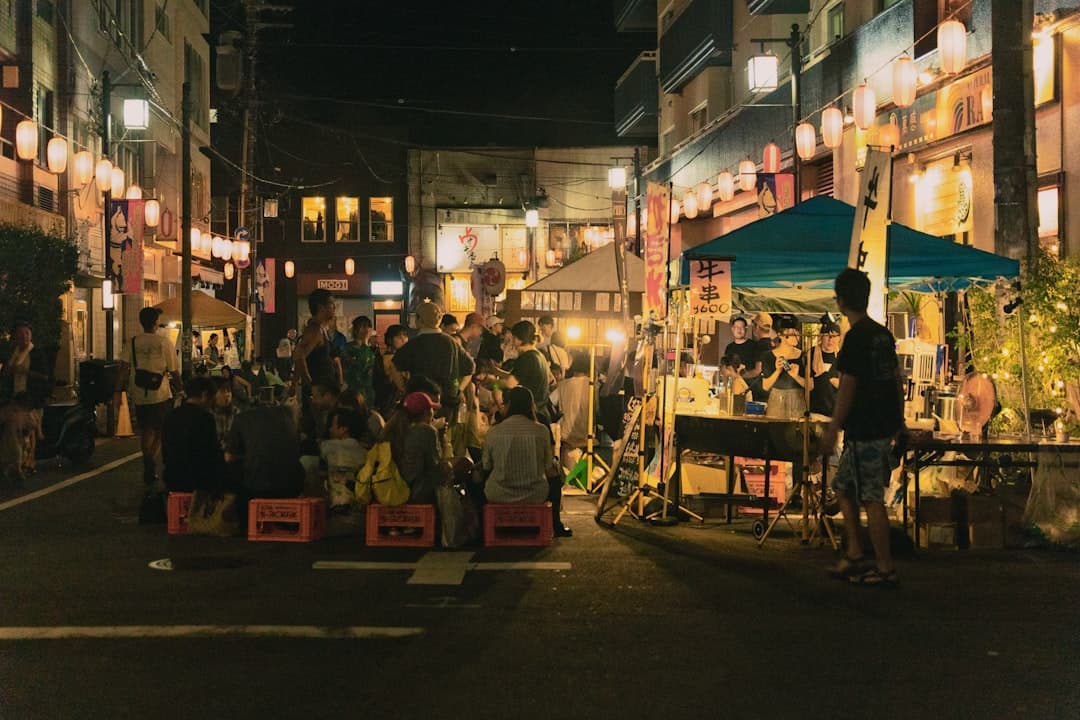
“Explore Goa's rich cultural landscape through its vibrant culinary scene and historical sites, offering insights into the region's Portuguese and indigenous influences.”
Goa Beyond the Beaches: Culinary Pathways and Cultural Currents
The Hook
Goa, often synonymous with sun-kissed beaches, hides a tapestry of cultural narratives woven into its food and historic sites. Beyond the well-trodden sands, there lies a world where culinary traditions and historical currents offer a deeper dive into the region's soul. Known for its vibrant fusion of Indian and Portuguese influences, Goa's cultural scene is a reflection of its storied past.
"Goa's allure extends beyond its beaches, offering a rich blend of history and gastronomy."
For the discerning traveler, Goa is not merely a destination but an experience—a confluence of flavors, sounds, and stories waiting to be discovered. As you navigate its winding roads, you'll uncover a region that is as much about its spice-laden curries as it is about its centuries-old churches and markets.
The Context
To appreciate Goa's unique cultural landscape, one must first understand its historical underpinnings. The region's past is marked by a succession of rulers, from the Mauryan Empire to the Kadamba Dynasty, and most notably, the Portuguese, who left an indelible mark on Goa's architecture, cuisine, and religious practices. This diverse historical tapestry has created a cultural mosaic that is palpably felt in every corner of Goa.
The Portuguese arrived in Goa in the early 16th century, transforming it into a thriving hub of commerce and culture. Their influence is visible in the region's baroque architecture, Catholic festivals, and culinary practices. Dishes such as vindaloo and xacuti are testament to this rich heritage, blending local spices with European cooking techniques.
"The Portuguese influence is woven into the very fabric of Goan life, from its baroque churches to its aromatic kitchens."
Yet, Goa's cultural identity is not solely defined by its colonial past. The state is also a vibrant tapestry of indigenous customs and contemporary trends, where ancient temples coexist with modern art galleries and bustling night markets.
The Atmosphere
Goa's atmospheric charm is palpable the moment you step foot in its bustling markets or quiet countryside. The architecture is a feast for the eyes, with structures ranging from elegant Portuguese villas to ancient Hindu temples. The Basilica of Bom Jesus, a UNESCO World Heritage Site, is a testament to the region's architectural prowess, its baroque façade housing the remains of St. Francis Xavier.
Walking through the streets of Panaji, the capital city, you'll encounter a fusion of old and new. The Latin Quarter of Fontainhas offers a glimpse into the past with its brightly painted houses and narrow lanes, reminiscent of a European village.
"In Fontainhas, the past and present coexist in a vibrant palette of colors and cultures."
The culinary landscape is equally compelling. From street food vendors selling Goan sausages and poi bread to upscale restaurants serving fusion dishes, Goa's gastronomy is a delightful exploration of flavors and textures. Visit the bustling Mapusa Market, where the air is filled with the aroma of fresh spices, and local vendors passionately hawk their wares.
The Insider's Gem
For an authentic taste of Goan culture, a visit to the village of Aldona is a must. Nestled amidst lush greenery and scenic beauty, Aldona is home to a vibrant community that embodies the essence of Goan life. The Surlakar family, known for their traditional Goan cooking, opens their doors to visitors seeking a truly immersive experience.
Here, you can partake in a culinary workshop, learning the art of preparing traditional Goan dishes such as fish curry and bebinca. The experience is not just about cooking, but about understanding the cultural significance of each ingredient and the stories passed down through generations.
"In Aldona, the culinary journey is a bridge to Goa's rich cultural heritage."
As you savor the flavors, you'll appreciate the symbiosis between the land and its people, where each dish tells a story of resilience and adaptation.
The Concise Guide
Social Norms
Goa is a melting pot of cultures, so it's important to respect local customs. While the region is predominantly Catholic, Hindu traditions also play a significant role. Visitors should dress modestly when visiting religious sites, and it's customary to remove your shoes before entering a temple.
Dress Codes
While beachwear is acceptable on the coast, it's advisable to dress conservatively in towns and villages. Lightweight, breathable fabrics are recommended due to the tropical climate.
Strategic Timing
The best time to visit Goa is between November and February when the weather is pleasantly cool. Plan your itinerary using trip.express to make the most of festive events like Carnival and Shigmo.
The Little Black Book
Culinary Workshops in Aldona
- Address: Surlakar Family Home, Aldona, Goa
- Price: INR 2,500 per person
- Opening Hours: By appointment; typically 10:00 AM - 3:00 PM
Basilica of Bom Jesus
- Address: Old Goa Rd, Bainguinim, Goa
- Price: Free entry
- Opening Hours: 9:00 AM to 6:30 PM
Fontainhas Latin Quarter
- Location: Panaji, Goa
- Best Time to Visit: Early evening for a leisurely stroll
For the modern traveler, Goa offers a cultural experience that is both enriching and enlightening. Use trip.express to navigate your journey and delve deeper into the heart of Goa.
Share this story
Comments
No comments yet
Be the first to share your thoughts with the community!