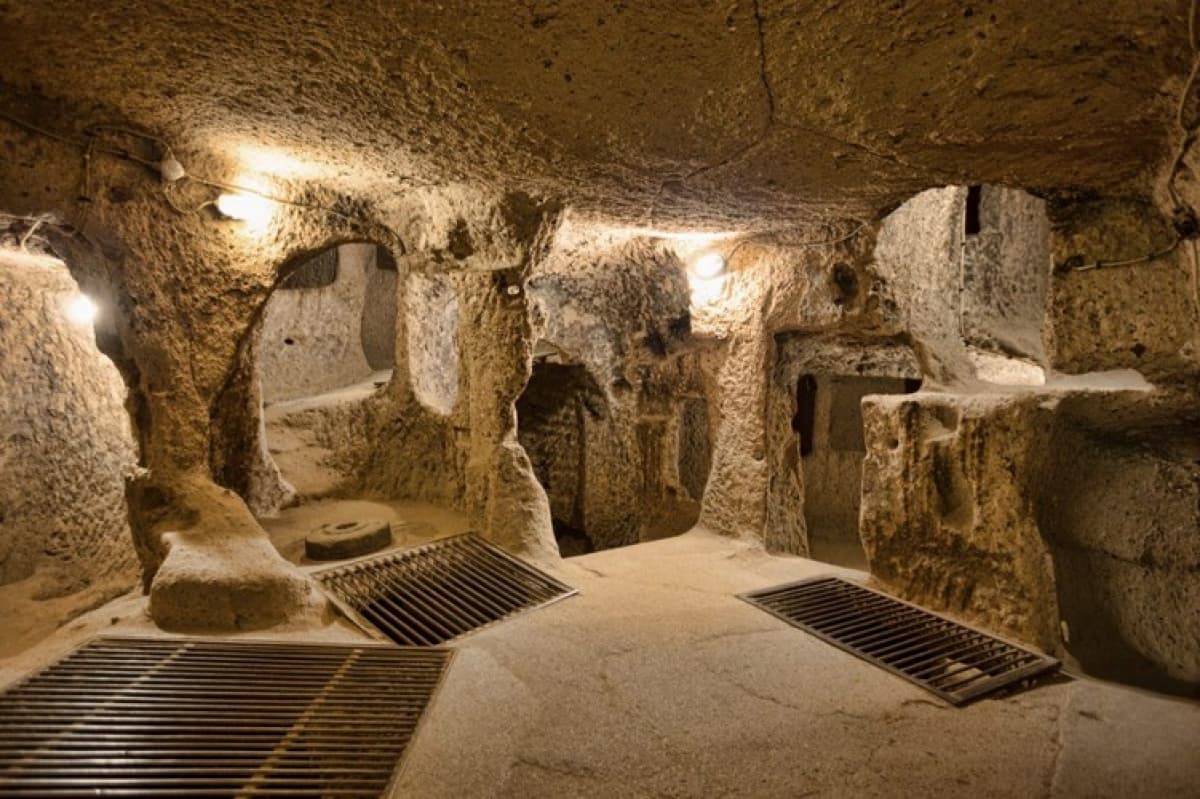
“Explore the Cu Chi Tunnels, an extensive underground network in Vietnam, and delve into the history, culture, and resilience of a nation. Gain insider insights and practical tips for your visit.”
Exploring the Historic Tunnels of Cu Chi
The Hook
The Cu Chi Tunnels, an extensive underground network in Vietnam, embody the resilience and ingenuity of a people under pressure. Spanning over 250 kilometers, this labyrinthine complex served as a strategic asset during the Vietnam War, allowing Viet Cong fighters to evade detection, transport supplies, and launch surprise attacks against an opposing force. The tunnels were not merely a means of survival; they represented a way of life that was intricately intertwined with the landscape and the local communities. Visitors to Cu Chi are not just exploring an attraction; they are stepping into a narrative of courage, resourcefulness, and the enduring spirit of a nation.
The experience of navigating through these tunnels offers a palpable connection to history, one that resonates deeply in the heart of Ho Chi Minh City, just a short journey away. The contrast between the bustling urban life and the somber reminders of wartime is striking. This juxtaposition invites travelers to reflect on Vietnam's turbulent past while appreciating the vibrant culture that has emerged in its wake. The Cu Chi Tunnels stand as a testament to human resilience, making them an essential destination for those seeking to understand the complexities of Vietnam.
The Context
The Cu Chi Tunnels were constructed over several decades, beginning in the late 1940s, as a response to colonial rule and later during the Vietnam War. They were ingeniously designed to protect local inhabitants from bombings and ground assaults, thus providing them a tactical advantage. The tunnels were not only a refuge but also served various functions, including housing, medical facilities, and storage for weapons and food supplies. It is estimated that around 60,000 people lived in these tunnels at one point, showcasing their ability to sustain life in the most challenging conditions.
Share this story
Comments
Highly Anticipated
- Be the first to share your thoughts!
No comments yet
Be the first to share your thoughts with the community!
Leave a Reply
Keep Reading
Recommended Stories
The historical significance of Cu Chi extends beyond military strategy. It is a reflection of the communal spirit among the Vietnamese people, who collaborated to build and maintain this underground city. The tunnels were often dug by hand, using rudimentary tools, and were strategically located to blend seamlessly with the surrounding terrain. This level of ingenuity demonstrates a profound understanding of the land and the necessity to adapt to an ever-changing environment.
Today, the tunnels are preserved as part of the Cu Chi Tunnels National Historical Park, where visitors can gain insight into the wartime experiences of the Vietnamese people. Guided tours offer narratives that encapsulate both the hardships endured and the ingenious methods employed to survive. Engaging with these stories allows travelers to appreciate the historical context and cultural implications of the tunnels, enriching their understanding of Vietnam’s past.
“The Cu Chi Tunnels are not merely a site to visit; they are a deeply immersive experience that invites reflection on resilience and survival.”
The Atmosphere
As one approaches the Cu Chi Tunnels, the transition from the urban sprawl of Ho Chi Minh City to the serene countryside is immediate. The journey itself is a study in contrasts—a ride through bustling streets gives way to quieter roads lined with lush greenery, rice paddies, and the occasional glimpse of rural life. Upon arrival, the atmosphere is imbued with a sense of solemnity and respect, a fitting prelude to the journey ahead.
The entrance to the tunnels is marked by a modest wooden sign, leading visitors to a small exhibit area. Here, several artifacts from the war are displayed, including weapons, traps, and photographs that capture the essence of the struggle faced by the Vietnamese people. The juxtaposition of these remnants against the tranquil landscape serves as a poignant reminder of the past.
Once inside the tunnels, the atmosphere shifts dramatically. The air is cool and musty, a stark contrast to the humid exterior. The tunnels themselves are narrow and winding, often requiring visitors to crouch or crawl through to navigate. The architecture is functional and utilitarian; earthen walls, low ceilings, and cleverly concealed entrances make it easy to forget that you are underground. Each turn reveals different chambers, such as living quarters, kitchens, and even makeshift hospitals, all designed to sustain life in the depths of the earth.
The lighting is dim, enhancing the feeling of being in a hidden world. As visitors make their way through, guided groups share stories of the individuals who lived here. The guides, often veterans themselves, provide an emotional context that adds depth to the experience. Their firsthand accounts are not just informative; they resonate with the weight of personal history and collective memory.
“Navigating the Cu Chi Tunnels is a visceral experience, one that challenges you to confront the harsh realities faced by those who lived underground.”
As one progresses through the tunnels, the sense of claustrophobia can be overwhelming, yet it also fosters a deep appreciation for the resilience of those who once called this subterranean world home. It becomes clear that every inch of this space was meticulously crafted with purpose, embodying a spirit of survival that is both inspiring and humbling.
The Insider's Gem
For those seeking a deeper understanding of the Cu Chi Tunnels, an ideal time to visit is during the early morning hours. Arriving just as the gates open allows visitors to experience the site before the crowds descend, providing a more intimate experience. The quietude of the morning enhances the reflective nature of the visit, allowing for a personal connection to the history that permeates the air.
In addition to the guided tours, take advantage of the opportunity to engage with the local history through hands-on experiences offered on-site. One such activity is the chance to sample traditional Vietnamese cuisine, specifically the food that sustained those who lived in the tunnels. The cooking demonstration offers a culinary insight into wartime ingenuity, where rice and root vegetables were creatively transformed into nourishing meals.
Another insider tip is to seek out the less-trafficked sections of the tunnels. While the main pathways are well-visited, there are areas that remain relatively quiet, allowing for a moment of solitude and contemplation. These hidden corners often contain fascinating stories or unique features, such as secret entrances or trap systems that illustrate the tactical brilliance behind the tunnel network.
“Visiting the Cu Chi Tunnels at dawn not only allows for a more personal experience but also amplifies the emotional weight of the history that unfolds.”
Finally, consider extending your visit to include a trip to the nearby War History Museum in Ho Chi Minh City. This museum provides a broader context to the events surrounding the Vietnam War, showcasing the impact of the conflict on both a national and global scale. By linking your experiences at Cu Chi with the historical narratives presented at the museum, you create a comprehensive understanding of Vietnam's complex past.
The Concise Guide
Social Norms
Respectful Attire: Visitors should dress modestly when exploring the tunnels. While casual wear is acceptable, it is advisable to avoid revealing clothing, especially given the somber nature of the site.
Quiet Reflection: Maintain a respectful silence in areas that are particularly poignant, as many visitors may be reflecting on the history and experiences of those who lived there.
Dress Codes
Comfortable Footwear: Given the nature of the tunnels, sturdy shoes are essential. Opt for footwear that allows for easy navigation through tight spaces.
Light Layers: The temperature within the tunnels is cooler than the outside air, so light layers are recommended.
Strategic Timing
Best Time to Visit: Arriving early in the morning or later in the afternoon can help avoid peak tourist times, allowing for a more reflective experience.
Guided Tours: Consider joining a guided tour for deeper insights, as local guides often share personal stories that enrich the experience.
For the smart traveler, managing your itinerary is seamless with trip.express, ensuring that every detail of your visit is well-organized.
The Little Black Book
Address: Cu Chi Tunnels, Ben Dinh, Cu Chi District, Ho Chi Minh City, Vietnam
Price: Approximately $5 for entry; guided tours vary
Opening Hours: Daily from 7:00 AM to 5:00 PM
When planning your journey to the Cu Chi Tunnels, embrace the opportunity to connect with a pivotal chapter of Vietnam’s history. The experience not only enriches your understanding of the past but also inspires a profound appreciation for the resilience found within the human spirit.