
“Explore how to celebrate Tet, the Vietnamese Lunar New Year, with this comprehensive guide. Discover traditions, culinary delights, and insider tips for an authentic experience.”
Experiencing Tet: How to Celebrate Lunar New Year Like a Local
THE HOOK
Tet, the Vietnamese Lunar New Year, stands as a vibrant testament to the country’s rich cultural heritage, marked by unique traditions and collective familial reverence. Unlike many Western New Year celebrations, Tet is not merely a day of festivities; it embodies a week-long series of rituals that signify renewal, family reunions, and the honoring of ancestors. In Vietnam, this period transforms the landscape—cities swell with color and life, streets echo with laughter, and homes become sanctuaries of warmth and gratitude.
Tet is not only the most significant holiday in Vietnam; it is also a time for the local populace to reflect on the past year and set intentions for the year ahead. Visitors who immerse themselves in this celebration will find it enriching, as it offers an authentic glimpse into the soul of Vietnamese culture. Engaging with the local customs, culinary delights, and community gatherings during Tet provides a profound understanding of what it means to be Vietnamese. To truly appreciate Tet, one must embrace it from the inside out—by walking the bustling streets, participating in rituals, and savoring traditional foods. This guide will illuminate how to celebrate Tet like a local, ensuring an experience that resonates long after the festivities have concluded.
THE CONTEXT
Tet, or Tet Nguyen Dan, is steeped in history and tradition that dates back thousands of years. The holiday coincides with the first day of spring and the lunar calendar, marking not just a new year but a new agricultural cycle. The origins of Tet lie in ancient agrarian practices, where farmers would celebrate the end of harvest and offer gratitude to the gods for their bountiful crops. Over time, these rituals evolved into a multifaceted festival that encompasses a variety of cultural elements, including ancestral worship, culinary traditions, and family reunions.
The days leading up to Tet are filled with preparation, as families clean their homes, decorate with peach blossoms in the North and yellow apricot blossoms in the South, and prepare offerings for their ancestors. The significance of these customs cannot be overstated; they serve as acts of remembrance and respect for those who have come before. The atmosphere is charged with anticipation, as the local markets burst with life, filled with the scent of freshly prepared foods and vibrant decorations.
As the New Year approaches, the Vietnamese engage in various customs that are believed to bring good fortune. One such tradition is the practice of giving and receiving “li xi”—red envelopes filled with money that symbolize luck and prosperity. This exchange occurs among family members, friends, and colleagues, reinforcing social bonds and goodwill.
Understanding these cultural nuances is crucial for any traveler who wishes to engage authentically with Tet. It is a time when the entire nation embraces a collective spirit of optimism and renewal, making it the perfect opportunity to witness the vibrancy of Vietnamese society. Embracing the local customs during this period not only enriches your travel experience but also fosters a deeper connection to the people and their culture.
THE ATMOSPHERE
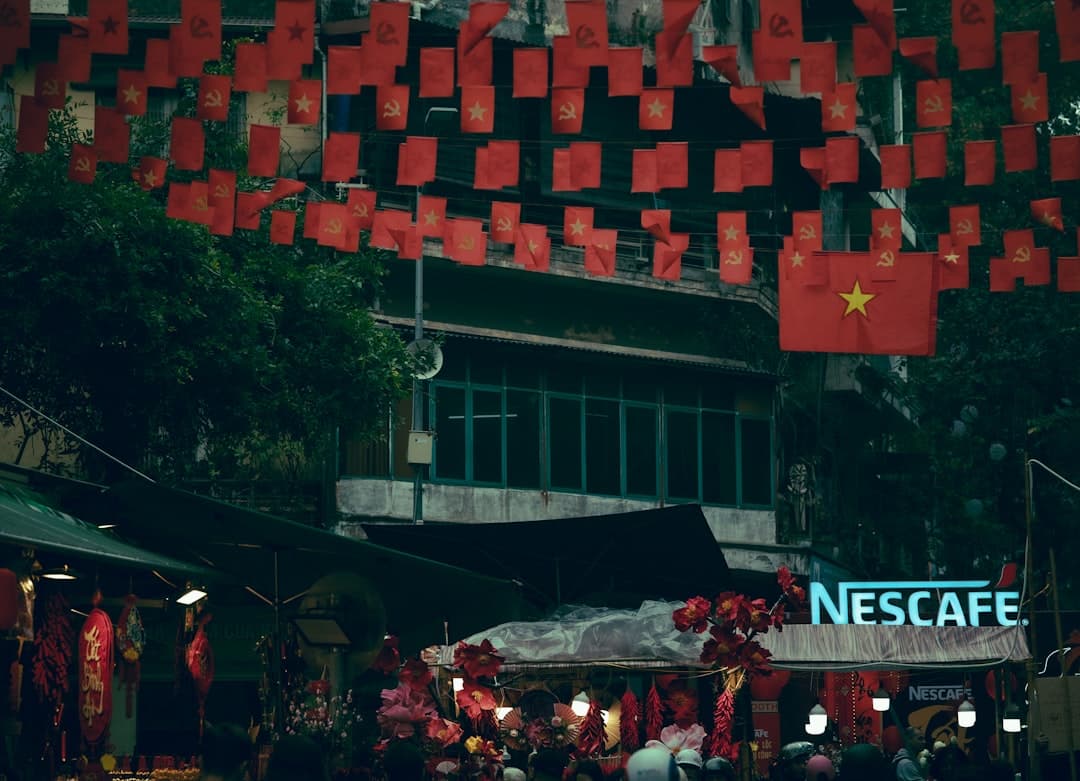
As Tet approaches, every corner of Vietnam transforms into a kaleidoscope of sights, sounds, and scents. Urban centers like Hanoi and Ho Chi Minh City pulse with energy as families prepare for the festivities. Streets lined with stalls selling traditional foods and decorations create an inviting atmosphere. The vibrant hues of red and gold, symbols of good luck and prosperity, dominate the scenery, while the air is filled with the enticing aroma of street food.
In Hanoi, the Old Quarter becomes a bustling hub during this period. Traditional wooden houses and colonial-era buildings serve as a backdrop for the vibrant market stalls. Shops overflow with flower arrangements, particularly the iconic peach blossoms, which are believed to bring good luck for the year ahead. The lively chatter of families selecting their Tet offerings adds to the ambiance, creating a sense of community and shared excitement.
In contrast, the tranquility of the countryside offers a different perspective on Tet. Far from the urban rush, rural villages celebrate with traditional rituals that have remained largely unchanged. Here, the architecture reflects a simpler lifestyle, with wooden homes adorned with ancestral altars. The local community gathers to prepare traditional dishes, showcasing culinary practices passed down through generations. This intimate atmosphere allows travelers to witness the essence of Tet in its purest form.
On New Year’s Eve, the atmosphere reaches a fever pitch. Families gather for a lavish feast that includes traditional dishes such as banh chung (square sticky rice cake) and gio lua (Vietnamese pork sausage). As midnight approaches, fireworks illuminate the sky, marking the transition into the New Year. The sound of firecrackers and laughter fills the air, creating an unforgettable sensory experience.
This festival is not merely about celebration; it is a profound expression of gratitude and hope. Visitors who choose to partake in Tet will find themselves enveloped in the warmth of Vietnamese hospitality and the spirit of togetherness that defines this remarkable holiday.
THE INSIDER'S GEM
For a truly authentic Tet experience, consider participating in a family-run cooking class in Hanoi. One such class, held in the home of a local family, offers a unique opportunity to learn about the culinary traditions surrounding the festival. The host family will guide you through the preparation of traditional Tet dishes, providing insights into the significance of each ingredient.
The experience begins with a visit to a local market, where you will select fresh produce, herbs, and spices. Engaging with local vendors and discovering the vibrant atmosphere of the market sets the stage for the cooking session. Upon returning to the family’s home, you will step into a warm, inviting kitchen filled with the aroma of simmering broths and sizzling meats.
The highlight of the workshop is the preparation of banh chung, a traditional square sticky rice cake that holds immense significance during Tet. The process involves wrapping glutinous rice around mung beans and marinated pork, then encasing it in banana leaves before boiling it for several hours. As you partake in this communal activity, you will learn about the symbolism behind the dish and its importance in Tet celebrations.
As the dishes come together, the host family shares stories about their own Tet traditions, offering a glimpse into their lives and the values they hold dear. This personal connection transforms a cooking class into an intimate cultural exchange, fostering a deeper appreciation for the significance of Tet.
After the cooking session, you will sit down to enjoy the feast you have prepared, surrounded by your hosts. The experience culminates in a shared meal that embodies the spirit of Tet—gratitude, connection, and celebration. This insider gem not only enriches your understanding of Vietnamese culture but also creates lasting memories and friendships.
THE CONCISE GUIDE
Social Norms During Tet, it is customary to greet others with “Chúc Mừng Năm Mới” (Happy New Year). This greeting is often accompanied by the exchange of red envelopes, symbolizing good luck. It is essential to maintain a respectful demeanor, particularly when interacting with elders.
Dress Codes Traditional attire is common during Tet. Many locals donao the ao dai, a beautiful tunic worn over trousers, often in vibrant colors. While tourists are not expected to wear traditional clothing, opting for smart casual attire in festive colors is appreciated.
Strategic Timing The most vibrant celebrations occur on New Year's Eve and during the first three days of Tet. Many shops and restaurants will be closed during this period, so plan accordingly. Early mornings are ideal for visiting local markets, as they showcase the bustling preparations for the festivities.
For a seamless travel experience, consider managing your itinerary with trip.express, ensuring you capture all the essential moments of the Tet celebration.
THE LITTLE BLACK BOOK
Cooking Class Address: Family-run Cooking Class, Hanoi (exact address can be provided upon booking) Price: Approx. $50 per person Opening Hours: Typically available from 9 AM to 3 PM during the Tet season, but check specific dates due to holiday closures.
Embrace the spirit of Tet and immerse yourself in the rich tapestry of Vietnamese culture this Lunar New Year. Through local customs, culinary delights, and communal celebrations, you will uncover a deeper understanding of this extraordinary festival, creating memories that will linger long after the firecrackers have faded.
Share this story
Comments
No comments yet
Be the first to share your thoughts with the community!