

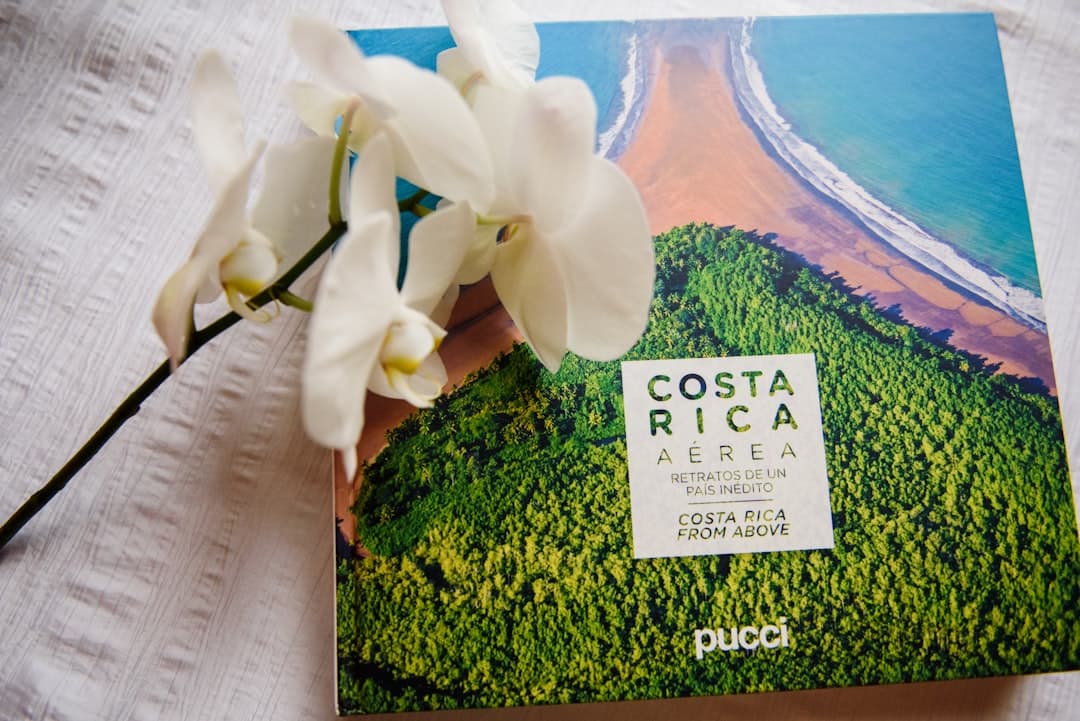
“Explore the transformative journey of eco-friendly travel, focusing on sustainable practices that reduce plastic waste. From accommodations to cultural engagement, discover how modern travelers can make impactful choices while exploring the world.”
Eco-Friendly Travel: Reducing Plastic Waste During Your Trip
THE HOOK
Traveling today is not just about exploration; it's a responsibility that extends beyond the individual traveler to the environment. The rise of eco-conscious travel is reshaping how we experience destinations, urging us to consider our impact on the planet. According to a recent study, travelers generate approximately 1.1 billion tons of waste annually, with plastic waste being a major contributor. This statistic underscores the urgency of adopting sustainable practices while traveling.
As the world grapples with the consequences of plastic pollution, eco-friendly travel stands as a testament to the changing mindset of modern travelers. Imagine exploring the vibrant streets of a city where local artisans craft biodegradable goods, or hiking through lush landscapes unspoiled by excess waste. The beauty of responsible travel lies not only in discovering new locales but also in preserving them for future generations. By employing sustainable practices, travelers can savor the delicate balance of adventure and stewardship, enriching their journeys while minimizing their ecological footprint.
In this guide, we will delve into how to effectively reduce plastic waste during your travels. From selecting eco-conscious accommodations to adopting mindful consumption habits, every choice contributes to a larger collective effort. Let’s embark on this journey toward responsible exploration, ensuring our adventures leave only footprints and not plastic waste.
THE CONTEXT
The concept of eco-friendly travel is rooted in a growing recognition of our interconnectedness with the planet. Historically, travel was often seen through the lens of leisure and indulgence, with little regard for the environmental consequences. However, as awareness of climate change and environmental degradation has risen, a shift has occurred. Today’s travelers are increasingly prioritizing sustainability, seeking experiences that not only fulfill their wanderlust but also align with their values.
Countries around the globe are implementing policies to combat plastic pollution. For instance, countries like Bhutan have made significant strides by promoting a zero-waste philosophy, while others are enacting bans on single-use plastics. This cultural shift reflects a broader movement towards sustainability, where travel becomes a means of supporting local economies and preserving natural resources.
Moreover, eco-friendly travel is not limited to accommodations and transportation; it extends to interactions with local communities. Engaging in responsible tourism fosters cultural exchange, allowing visitors to appreciate local customs while contributing positively to the communities they visit. This creates a symbiotic relationship where travelers can enjoy authentic experiences without compromising the integrity of the destinations.
As you traverse through diverse landscapes and cultures, consider how your actions can contribute to this global effort. The modern traveler is not merely a visitor but a steward of the planet, capable of making choices that resonate far beyond their journey.
THE ATMOSPHERE
A sustainable travel experience is often characterized by accommodations and services that prioritize environmental stewardship. Picture a boutique hotel nestled in a verdant hillside, constructed from locally sourced materials and powered by renewable energy. The architecture blends seamlessly with its surroundings, featuring green roofs, natural ventilation, and ample natural light. Such spaces not only provide aesthetic appeal but also reduce their carbon footprint, setting a benchmark for responsible hospitality.
Upon entering this eco-conscious haven, guests are greeted by warm, attentive staff trained in sustainable practices. Rather than the conventional plastic key cards, rooms are accessed via digital codes sent to your mobile device, eliminating unnecessary plastic use. The hotel’s commitment to sustainability extends to the dining experience as well, with menus crafted from seasonal, locally sourced ingredients. Each dish is thoughtfully prepared to minimize waste, with composting systems in place for any organic remnants.
The ambiance is tranquil, enhanced by the subtle sounds of nature. Guests can unwind in spaces designed for relaxation, from rooftop gardens offering panoramic views to peaceful lounges adorned with eco-friendly furnishings. This attention to detail creates a holistic experience, where every element contributes to the overarching theme of sustainability.
Furthermore, many eco-conscious accommodations offer curated experiences that encourage guests to engage with their surroundings. Guided nature walks, organic farming workshops, and community service projects allow travelers to immerse themselves in local culture while practicing sustainability. These offerings enhance the overall atmosphere, fostering a sense of connection between guests and their environment.
In addition to accommodations, transportation plays a vital role in eco-friendly travel. Opting for public transport, bicycles, or electric vehicles not only reduces emissions but also offers a more authentic exploration of the locale. As you navigate through charming streets and scenic pathways, the experience becomes richer, allowing for spontaneous discoveries that conventional tourism often overlooks.
“Sustainable travel is not an inconvenience; it is an opportunity to engage deeply with the world around us.”
THE INSIDER'S GEM
Among the myriad of sustainable practices, one standout recommendation is to partake in local conservation initiatives. One such inspiring opportunity can be found in Costa Rica, where travelers can join sea turtle conservation programs along the Pacific Coast. This immersive experience not only allows participants to contribute to the protection of endangered species but also offers a profound connection with the natural world.
By volunteering during nesting season, travelers assist in monitoring turtle populations, protecting nests from poachers, and even participating in hatchling releases. This hands-on involvement fosters a deep appreciation for marine ecosystems and highlights the importance of preserving biodiversity. The experience is both fulfilling and educational, providing insights into the challenges faced by these remarkable creatures.
Moreover, participating in such programs supports local communities that rely on conservation efforts for their livelihoods. By choosing to engage in these initiatives, travelers not only reduce their plastic footprint but also contribute to a sustainable economy that prioritizes environmental health. These experiences often lead to lasting connections with local conservationists and fellow travelers, enriching the journey in ways that conventional tourism cannot offer.
As a bonus, the stunning natural beauty of Costa Rica enhances the experience. Picture yourself walking along pristine beaches under a starlit sky, surrounded by the sounds of the ocean and the promise of new life emerging from the sand. This is not just travel; it is a commitment to preserving the planet and its inhabitants.
THE CONCISE GUIDE
Social Norms
- Respectful Engagement: Always approach local communities with curiosity and respect. Learn a few basic phrases in the local language to foster goodwill.
- Sustainable Choices: Opt for local products and services that prioritize sustainability. This supports the local economy and reduces reliance on imported goods.
Dress Codes
- Cultural Sensitivity: In many destinations, modest attire is appreciated, particularly in religious or rural areas. Lightweight, breathable fabrics are ideal for warm climates.
- Eco-Friendly Fabrics: Consider packing garments made from sustainable materials that dry quickly and require less washing.
Strategic Timing
- Off-Peak Travel: Visiting during shoulder seasons can help reduce your impact and enhance your experience. Fewer crowds mean a more intimate connection with the locale.
- Timing for Wildlife: If engaging in conservation efforts, research the best times for wildlife interactions to maximize the experience.
Traveling with intention is crucial. Utilize tools like trip.express to meticulously manage your itinerary, ensuring each choice is aligned with your sustainable travel goals.
THE LITTLE BLACK BOOK
- Location: Costa Rica, Pacific Coast
- Conservation Program: Costa Rica Sea Turtle Conservation Project
- Price: Starting at $500 for a week-long program (includes accommodation and meals)
- Opening Hours: Varies by season; typically available from May to December during nesting season.
Embarking on an eco-friendly journey is a commitment to enhancing both your travel experience and the well-being of our planet. By integrating these practices into your travels, you not only reduce plastic waste but also contribute to a more sustainable future for generations to come. Choose your adventures wisely, and let your travels reflect your values.
Share this story
Comments
No comments yet
Be the first to share your thoughts with the community!