Discovering the French Colonial Architecture of Hanoi | Trip Express
Discovering the French Colonial Architecture of Hanoi
Trip Express•Mar 9, 2026•5 min read
“Explore the rich tapestry of French colonial architecture in Hanoi, Vietnam. This comprehensive guide offers insights into the city's historical context, architectural atmosphere, and insider recommendations for an immersive luxury experience.”
Discovering the French Colonial Architecture of Hanoi
The Hook
Hanoi, the capital of Vietnam, is a city where the past and present coexist in a harmonious yet dynamic interplay. One of the most striking characteristics of this city is its French colonial architecture, which punctuates the urban landscape with elegance and a hint of nostalgia. This architectural style, which emerged during the 19th and early 20th centuries, is not merely a remnant of colonialism; it is a testament to the intricate history and cultural exchange that has shaped this vibrant metropolis.
As you traverse the wide boulevards lined with stately buildings, you can’t help but feel the echoes of a bygone era. The soft hues of the façades, the intricate wrought-iron balconies, and the grandeur of structures like the Hanoi Opera House whisper stories of the past while seamlessly blending into the fabric of modern life. In a city that thrives on its rich heritage, the French colonial architecture serves as both a backdrop and a protagonist, inviting travelers to delve deeper into the stories etched in its walls.
But what truly sets Hanoi apart is not just the architectural splendor; it’s the atmosphere that envelops you. The cafés spilling onto the streets, the laughter of locals, and the aroma of street food wafting through the air create an intoxicating experience that transcends mere sightseeing. Here, every corner holds a piece of history, and every building has a tale to tell, making it an ideal destination for discerning travelers seeking both beauty and depth.
The Context
Share this story
Comments
Highly Anticipated
- Be the first to share your thoughts!
No comments yet
Be the first to share your thoughts with the community!
Leave a Reply
Keep Reading
Recommended Stories
To understand the significance of French colonial architecture in Hanoi, one must first appreciate the historical backdrop against which it was conceived. The French colonization of Vietnam began in the mid-19th century, and it marked a pivotal shift in the country’s cultural and architectural landscape. The French introduced their architectural styles, which were heavily inspired by European neoclassical design, transforming the urban environment into a reflection of their imperial aspirations.
The period of French governance lasted until the mid-20th century, profoundly impacting Vietnamese society. This influence is evident not only in the architecture but also in the language, cuisine, and urban planning of Hanoi. The city was meticulously designed, with wide avenues, public squares, and parks, all of which are reminiscent of Parisian elegance. Notably, the colonial authorities constructed significant buildings including banks, museums, and government offices that still stand today as symbols of a complex historical narrative.
Culturally, the colonial era fostered a unique fusion of Vietnamese and French influences. Cafés became popular gathering spots, where the locals adapted to French customs while maintaining their traditional practices. This blending of cultures is evident in the culinary scene, where banh mi sandwiches, for instance, showcase the marriage of Vietnamese ingredients with French bread.
As Vietnam transitioned through war and into independence, the legacy of French colonial architecture persisted, serving as a reminder of the past while also becoming an integral part of the city’s identity. Today, as Hanoi continues to evolve, it embraces these historic structures, preserving them while accommodating modern needs. This juxtaposition of the old and the new is what makes exploring the city’s architecture so compelling.
The Atmosphere
Walking through Hanoi, you are immediately immersed in an atmosphere that is as layered as its history. The streets are alive with energy, yet there is an undeniable grace to the way the city operates. The French colonial buildings, with their tall ceilings and large windows, invite natural light to spill into the interiors, creating a warm and welcoming ambiance.
The Hanoi Opera House, a prime example of this architectural style, stands as a beacon of cultural significance. Designed in the early 1900s, its ornate façade and grand staircase evoke the opulence of the Belle Époque. Attending a performance here is not merely about the show; it’s about experiencing the architecture itself—a blend of French elegance and Vietnamese spirit.
Strolling through the streets of Hoan Kiem, the city's lake district, one encounters a range of architectural feats. The St. Joseph’s Cathedral, with its Gothic revival style, presents a striking contrast to the surrounding structures. Its pointed arches and stained glass windows tell the story of Catholicism’s introduction to Vietnam, adding yet another layer to the cultural tapestry of the city.
Cafés like Café de Flore, adorned with intricate moldings and vintage furniture, invite you to take a seat and indulge in a cup of Vietnamese coffee. The mix of locals and tourists creates a vibrant atmosphere, while the sounds of conversation and clinking cups provide a backdrop that feels both historical and contemporary.
As you navigate through the narrow streets, the scent of fresh bánh cuốn (steamed rice rolls) and phở (noodle soup) wafts through the air, drawing you into the bustling markets. Here, you can observe the daily lives of the locals as they go about their routines, surrounded by both modern and colonial architecture. The juxtaposition of these elements creates a unique visual narrative that is both captivating and thought-provoking.
The Insider's Gem
While exploring the architectural highlights of Hanoi, one specific experience stands out: a visit to the Sofitel Legend Metropole Hanoi. This historic hotel encapsulates the essence of French colonial architecture while offering a luxurious retreat for discerning travelers. Opened in 1901, the Metropole has welcomed dignitaries, celebrities, and writers, including Graham Greene, who found inspiration in its opulent surroundings.
The hotel's design beautifully reflects its historical roots, featuring a blend of French and Vietnamese influences. The lobby, with its high ceilings and elegant chandeliers, exudes sophistication, while the dark wooden accents and plush furnishings provide a sense of comfort. The hotel’s Le Club Bar, adorned with plush armchairs and classic décor, is an ideal spot for an evening aperitif, where you can unwind while soaking in the ambiance.
For a truly exceptional experience, consider indulging in the hotel’s afternoon tea. Served in the lush courtyard or the grand dining room, this tradition combines Vietnamese flavors with French pastries, allowing you to savor the best of both worlds. Pair your treats with a selection of fine teas or a glass of champagne for a refined afternoon.
As evening falls, the atmosphere transforms, with the soft glow of candlelight illuminating the courtyard. This enchanting setting is perfect for a romantic dinner at the hotel’s acclaimed restaurant, Spices Garden, where you can indulge in an exquisite fusion of traditional Vietnamese cuisine and contemporary culinary techniques. The meticulous presentation and flavorful dishes are a testament to the skill and creativity of the chefs.
Staying at the Sofitel Legend Metropole is more than just a luxurious experience; it’s an opportunity to immerse yourself in the history and culture of Hanoi. The hotel seamlessly blends modern amenities with the charm of its colonial past, creating an unforgettable experience that resonates long after your departure.
"Staying at the Sofitel Legend Metropole is an opportunity to immerse yourself in the history and culture of Hanoi."
The Concise Guide
Social Norms
In Hanoi, it is customary to greet with a slight bow and a smile. Handshakes are also common, but be mindful that it is considered polite to use both hands when giving or receiving items. Respect for elders is paramount; always offer your seat to older individuals on public transport.
Dress Codes
When visiting religious sites, women should wear clothing that covers their shoulders and knees. Men should adhere to similar standards. Casual attire is acceptable in most other settings, but smart casual is appreciated in upscale restaurants and hotels.
Strategic Timing
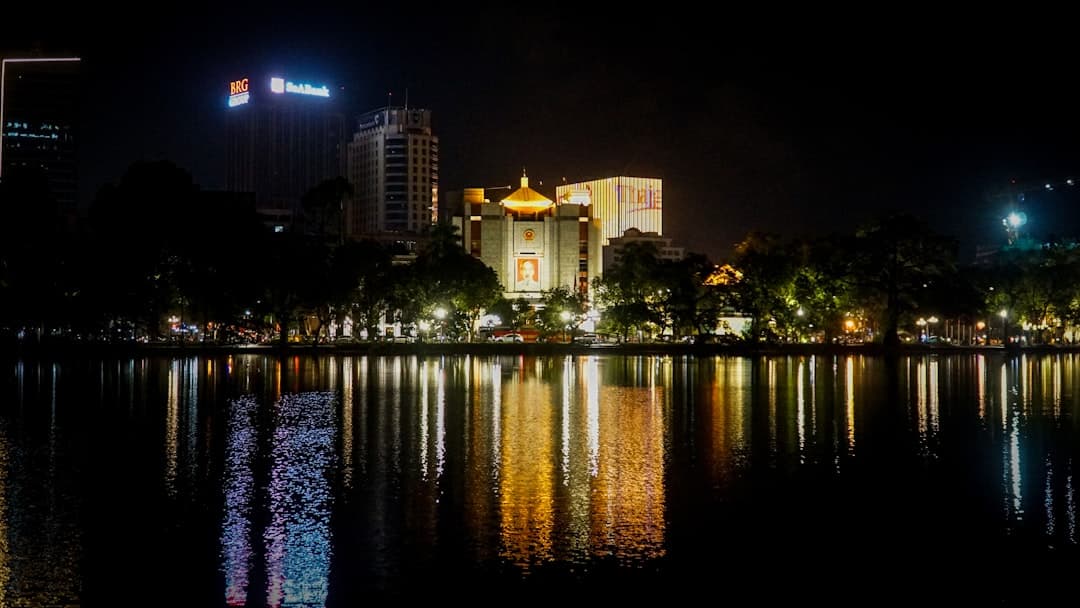
The best time to explore Hanoi’s architecture is early in the morning or late afternoon when the light casts a soft glow on the buildings. This is also when the streets are less crowded, allowing for a more serene experience. Don’t miss the opportunity to witness the captivating sunset over Hoan Kiem Lake, a moment that beautifully encapsulates the city’s charm.
The Little Black Book
Sofitel Legend Metropole Hanoi
Address: 15 Ngô Quyền, Tràng Tiền, Hoàn Kiếm, Hà Nội, Vietnam
Price: Starting at $250 per night
Opening Hours: 24 hours
Hanoi Opera House
Address: 1 Tràng Tiền, Phan Chu Trinh, Hoàn Kiếm, Hà Nội, Vietnam
Price: Varies by performance
Opening Hours: Box office open daily 10 AM – 6 PM
St. Joseph's Cathedral
Address: 40 Nhà Chung, Hàng Trống, Hoàn Kiếm, Hà Nội, Vietnam
Price: Free entry
Opening Hours: Daily 5 AM – 6 PM, 5 PM – 6 PM
For a seamless travel experience, manage your itinerary on trip.express, ensuring that every moment in this captivating city is well spent.