Discovering the Cham Towers Along the Central Coast
Trip Express•Mar 9, 2026•5 min read
“Explore the fascinating Cham Towers along Vietnam's Central Coast. Discover their rich history, architectural beauty, and insider tips for an immersive cultural experience.”
Discovering the Cham Towers Along the Central Coast
The Hook
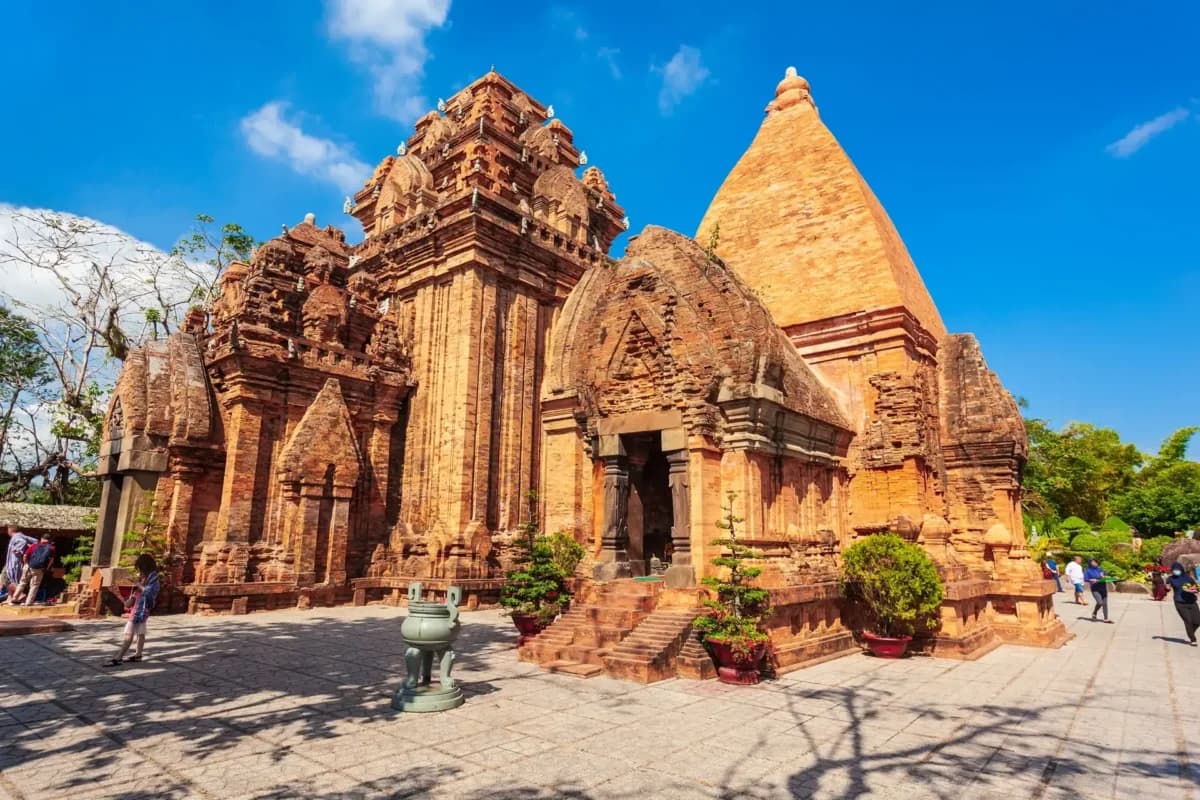
The Cham Towers, a remarkable remnant of the Champa civilization, stand as silent sentinels along Vietnam's Central Coast. These ancient structures, dating back to the 7th century, represent a unique blend of Hindu influences and Southeast Asian artistry. Unlike the more widely recognized pagodas and temples scattered across Vietnam, the Cham Towers offer an intimate glimpse into a bygone era, characterized by intricate stone carvings and a spiritual aura that captivates even the most jaded traveler. As you wander through these majestic relics, the air is thick with the weight of history, inviting you to ponder the stories etched in stone and the vibrant culture that once thrived here.
The Cham Towers are not just historical sites; they are a testament to the resilience of a culture that flourished between the 2nd and 15th centuries. Each tower, with its distinctive architecture, tells a story of devotion to Hindu deities and the artistic prowess of the Cham people. The juxtaposition of the lush landscapes surrounding these monuments against their stark, weathered stone creates an ethereal atmosphere that is both haunting and beautiful. This is a journey that transcends mere sightseeing; it is an exploration of identity, heritage, and the passage of time.
The Context
To understand the significance of the Cham Towers, one must delve into the history of the Champa civilization, which once dominated the Central Coast of Vietnam. The Champa Kingdom, known for its maritime prowess and trade networks, was a melting pot of cultures due to its interactions with India, China, and the Malay Archipelago. This confluence of influences is vividly reflected in the architectural style of the Cham Towers, which incorporate elements of Hindu temple design alongside local craftsmanship.
Share this story
Comments
Highly Anticipated
- Be the first to share your thoughts!
No comments yet
Be the first to share your thoughts with the community!
Leave a Reply
Keep Reading
Recommended Stories
The Champa civilization's zenith occurred between the 9th and 12th centuries, during which time the construction of the towers reached its peak. Structures like the Po Nagar Cham Towers in Nha Trang and the My Son Sanctuary near Da Nang exemplify the sophistication and spiritual significance of Cham architecture. These towers were originally built as temples dedicated to the Hindu deities Shiva and Vishnu, and their intricate carvings often depict mythological scenes and celestial beings, showcasing the artistic excellence of the Cham artisans.
However, the decline of the Champa Kingdom began in the 15th century due to invasions by the Vietnamese and the rise of the Dai Viet state. Despite this, the Cham Towers have endured, standing as a poignant reminder of a once-thriving civilization. Today, they serve not only as historical landmarks but also as sites of cultural reverence, attracting visitors seeking to connect with the past.
The Atmosphere
Visiting the Cham Towers is akin to stepping into a living museum, where the past and present coexist harmoniously. The approach to the towers typically involves a serene walk through lush greenery, where the gentle rustling of leaves creates a tranquil backdrop. The towers themselves, constructed from red brick and adorned with intricate stonework, rise majestically against the sky, their silhouettes casting shadows that dance with the sunlight.
Upon entering the grounds of the Po Nagar Cham Towers, one is immediately struck by the grandeur of the central tower, which stands at a height of 23 meters. This edifice, dedicated to the goddess Po Nagar, is the largest of the complex and features a beautifully carved entrance framed by mythical creatures. Inside, the air is cool and reverent, filled with the scent of incense that wafts through the space, as worshippers offer prayers and offerings, bridging the ancient past with contemporary spirituality.
The architectural details of the towers are a marvel in themselves. Each brick, meticulously laid, reveals the craftsmanship of the Cham builders who relied on local materials and techniques. The carvings—ranging from delicate floral motifs to dramatic scenes of deities—tell tales of a rich cultural narrative that can be deciphered through attentive observation. The play of light and shadow across the stone surfaces enhances the towers' mystique, inviting visitors to linger and reflect.
Service at the Cham Towers is understated yet respectful, with guides available to provide insights into the history and significance of the site. However, the true allure lies in the freedom to explore at one's own pace, allowing for moments of quiet contemplation amidst the grandeur of the surroundings. The entire experience is further enriched by the backdrop of the nearby coastline, where the sound of gentle waves crashing against the shore serves as a reminder of the civilization's deep ties to the sea.
The Insider's Gem
For those seeking a deeper connection to the Cham Towers, a visit during the early morning hours is highly recommended. As the sun rises, the soft golden light bathes the towers in a warm glow, enhancing their intricate details and creating a serene atmosphere that is perfect for contemplation. The quieter ambiance at this time allows for a more intimate experience, free from the crowds that typically descend later in the day.
One specific recommendation is to take part in a private guided tour that includes a traditional Cham breakfast at a local eatery nearby. This unique culinary experience allows you to taste the flavors of Cham cuisine, which is influenced by both Hindu and indigenous Vietnamese traditions. Dishes such as “bánh xèo” (Vietnamese pancakes) and fresh seafood are often served, accompanied by fragrant herbs and spices that celebrate the region's rich agricultural bounty.
As you savor your meal, take a moment to reflect on the history that surrounds you and the cultural significance of the Cham Towers. Consider the artisans who dedicated their lives to creating these masterpieces and the devotion that inspired their construction. This combination of early morning tranquility and culinary exploration provides a holistic experience that transcends mere tourism, allowing for a personal connection to the Cham legacy.
The Concise Guide
Navigating the cultural landscape of the Cham Towers requires a few considerations to ensure a respectful and enriching experience:
Social Norms
Respectful Behavior: When visiting the Cham Towers, maintain a respectful demeanor. These sites are still active places of worship for many locals.
Photography Etiquette: Always ask for permission before photographing individuals, particularly those engaged in prayer or rituals.
Dress Codes
Appropriate Attire: Visitors are advised to wear modest clothing that covers shoulders and knees. Scarves or shawls can be handy for covering up if needed.
Footwear: Comfortable shoes are recommended for walking around the site, but be prepared to remove them before entering certain sacred areas.
Strategic Timing
Best Time to Visit: Early morning or late afternoon is ideal for fewer crowds and the best lighting for photography.
Local Festivals: Check the local calendar for Cham festivals, which often include traditional music and dance performances, adding vibrancy to your visit.
For those looking to manage their itinerary efficiently, tools like trip.express can help streamline your travel plans.
The Little Black Book
Address: Po Nagar Cham Towers, 2 Thang 4, Vinh Hoa, Nha Trang City, Khanh Hoa, Vietnam 650000
Price: Entry fee approximately 22,000 VND (less than $1 USD)
Opening Hours: Daily from 7:00 AM to 6:00 PM
Exploring the Cham Towers offers a profound glimpse into Vietnam's rich history and cultural tapestry. As you walk among these ancient structures, take a moment to appreciate the intricate artistry and the enduring spirit of the Cham civilization, a testament to the beauty of resilience and heritage.