

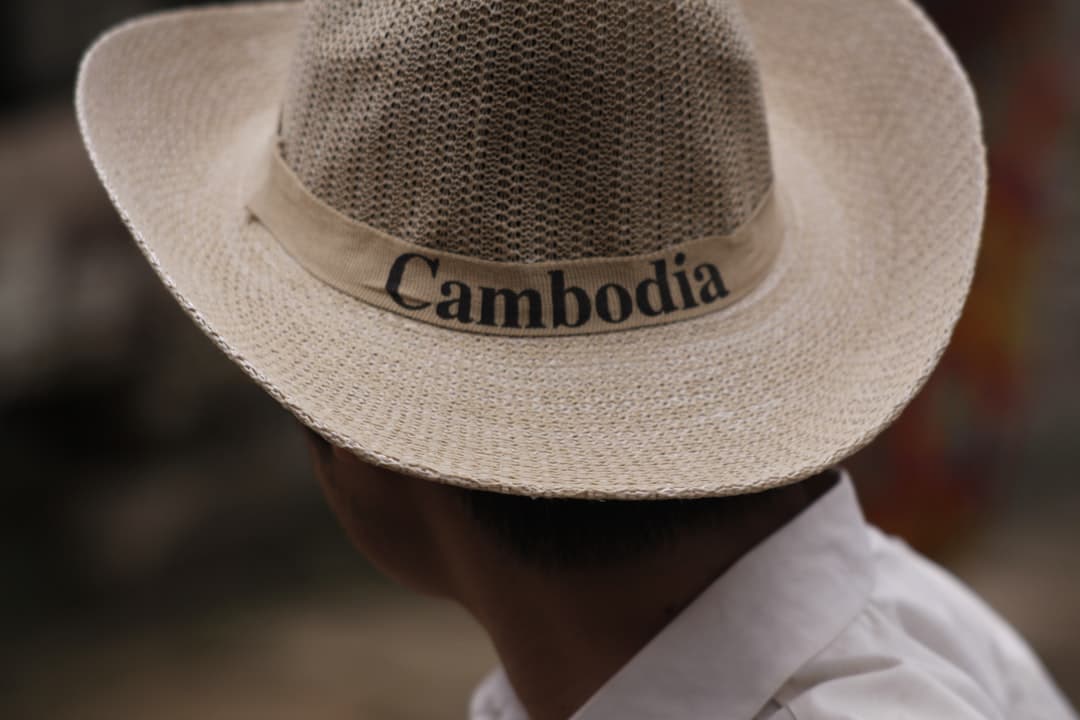
“Explore the intricacies of cross-border driving from Thailand to Cambodia. This comprehensive guide covers cultural insights, dining recommendations, and practical tips for a seamless journey.”
Cross-Border Driving: Can You Take a Rental Car to Cambodia?
The Hook
Cross-border driving in Southeast Asia presents a unique blend of adventure, cultural immersion, and logistical challenges. As you approach the border between Thailand and Cambodia, the landscape shifts from the modernity of bustling Thai towns to the rich historical textures of Cambodia. Traveling by car allows you to experience the nuances of this transition firsthand, offering glimpses into rural life, vibrant markets, and the diverse environments that define both nations. However, the question remains: can you take a rental car across this border?
Many travelers find the allure of a road trip irresistible, especially when it involves navigating through the lush jungles, ancient temples, and coastal vistas of Cambodia. Yet, the rules governing rental cars and cross-border travel can be convoluted, often leaving potential explorers uncertain about the feasibility of their plans. It is essential to understand not just the logistics but also the cultural context that surrounds this journey, ensuring that your experience is both seamless and enriching.
The Context
Cambodia’s history is a tapestry woven with both triumph and tragedy, exemplified by the grandeur of its ancient Khmer Empire and the shadow of the Khmer Rouge. This duality shapes the Cambodian experience, from the majestic ruins of Angkor Wat to the sobering memorials of the Killing Fields. As a traveler, understanding this historical backdrop will enrich your journey, allowing you to appreciate the resilience and spirit of the Cambodian people.
The country's culture is deeply rooted in Buddhism, reflected in its architecture, art, and daily life. In contrast, Thailand, known for its vibrant street life and modern amenities, provides a striking juxtaposition. The border between these two countries is not merely a geographical line; it is a passage through time and culture.
Travelers who venture into Cambodia will find a land rich with traditions, from the intricate dance performances of Apsara to the colorful festivals that celebrate the lunar calendar. The Cambodian hospitality, characterized by warmth and kindness, enhances the travel experience, creating a sense of belonging that transcends the mere act of visiting.
The Atmosphere
As you embark on your journey from Thailand to Cambodia, the landscape transforms dramatically. The well-paved roads of Thailand give way to more rustic routes that meander through villages where time seems to stand still. The scenery is punctuated by rice paddies, small wooden houses, and the occasional herd of cattle, all painting a vivid picture of rural life.
Upon crossing the border, you will encounter the bustling chaos typical of Cambodian border towns. The air is filled with the sounds of vendors hawking their wares, the scent of street food wafting through the air, and the vibrant colors of local markets. Here, travelers will need to complete immigration paperwork, a process that can be swift or slow depending on the time of day. Patience is essential.
Once in Cambodia, the atmosphere shifts. The roads may be less predictable, yet they lead to some of the most breathtaking sights in Southeast Asia. The architecture is a blend of colonial influence and traditional Khmer design, with ornate temples and crumbling pagodas standing as testaments to the country’s storied past. Cities like Siem Reap and Phnom Penh offer a mix of modernity and history, where luxury hotels coexist within close proximity to ancient relics.
In Siem Reap, travelers can indulge in some of the finest dining experiences, where traditional Khmer cuisine is elevated to new heights by skilled chefs. The ambiance is often complemented by live music and stunning views of the surrounding landscape, particularly during sunset, when the sky transforms into a palette of oranges and purples.
The service culture in Cambodia is also noteworthy. Guests are treated with respect and warmth, often greeted with a smile and a bow, reflecting the cultural significance of hospitality. Whether dining in a high-end restaurant or enjoying a meal at a street cart, the attentive service enhances the experience, fostering a feeling of connection to the local community.
“Crossing the border is not just about the destination; it’s about experiencing the journey and the rich tapestry of cultures along the way.”
The Insider's Gem
One of the most rewarding experiences in Cambodia is to seek out the lesser-known culinary treasures that define the nation. A visit to Phnom Penh is incomplete without indulging in a meal at Malis, an upscale restaurant that perfectly encapsulates the essence of modern Khmer cuisine. Located in the heart of the city, Malis is renowned for its commitment to using fresh, local ingredients, and its innovative approach to traditional recipes.
As you step inside, the restaurant greets you with a sophisticated ambiance, featuring elegant decor that pays homage to Cambodian heritage. The service is impeccable—staff members are knowledgeable about the menu and eager to recommend dishes that showcase the depth of Cambodian flavors.
One dish that stands out is the Fish Amok, a fragrant curry steamed in banana leaves that captures the very soul of Cambodian cooking. The tender fish is infused with coconut milk, lemongrass, and a medley of spices, creating a harmonious balance of taste and texture. Pair it with a glass of local wine or an expertly crafted cocktail to enhance the experience.
For a true insider's experience, consider visiting during the quieter hours, such as a late lunch or early dinner, when the ambiance is more relaxed, allowing for a leisurely meal. This timing not only offers a chance to savor each bite but also provides an opportunity to connect with the staff, who are often willing to share their insights on Cambodian culture and culinary traditions.
“Dining at Malis is more than just a meal; it’s a celebration of Cambodia’s rich culinary heritage.”
The Concise Guide
Social Norms
- Respect for Tradition: Cambodians value their cultural heritage. Acknowledge this by learning a few basic phrases in Khmer and greeting locals with a smile.
- Dining Etiquette: It’s customary to wait for the host to start eating before you begin your meal. Sharing food is common, so be prepared to sample a variety of dishes.
Dress Codes
- Casual Yet Respectful: While casual attire is acceptable, dress modestly when visiting temples and religious sites. Lightweight, breathable fabrics are ideal for the warm climate.
- Smart Casual for Dining: Upscale restaurants often have a smart casual dress code. Consider wearing a collared shirt and trousers to enhance your dining experience.
Strategic Timing
- Best Travel Period: The ideal time to visit Cambodia is during the dry season, from November to February, when temperatures are mild and rainfall is minimal.
- Timing for Attractions: Early mornings or late afternoons are the best times to visit popular attractions like Angkor Wat, avoiding the heat and crowds while enjoying the serenity of the surroundings.
For a seamless trip, consider using trip.express to manage your itinerary effectively, ensuring you maximize your time exploring this captivating destination.
The Little Black Book
-
Malis Restaurant Address: 136 Norodom Blvd, Phnom Penh Price: Approx. $30-$50 per person Opening Hours: Daily, 11:00 AM - 2:30 PM, 6:00 PM - 10:00 PM
-
Border Crossing Information Address: Poipet International Border Crossing Requirements: Valid passport, visa for Cambodia (available on arrival for many nationalities) Opening Hours: Daily, 7:00 AM - 10:00 PM
-
Car Rental Agencies Major providers include Sixt, Avis, and local agencies in Phnom Penh and Siem Reap. Check with each agency regarding cross-border policies.
Embarking on a cross-border driving adventure to Cambodia can be a transformative experience. With careful planning and a respect for local customs, travelers can navigate the complexities of this journey while immersing themselves in the rich cultural tapestry of a nation reborn.
Share this story
Comments
No comments yet
Be the first to share your thoughts with the community!