Cooking Classes for Foodies: Mastering Pho and Banh Mi
Trip Express•Mar 9, 2026•5 min read
“Explore the art of Vietnamese cooking through immersive classes focused on mastering pho and banh mi. Discover the cultural significance, cooking techniques, and insider tips for an authentic culinary experience in Vietnam.”
Cooking Classes for Foodies: Mastering Pho and Banh Mi
THE HOOK
Vietnamese cuisine offers a profound narrative woven through its dishes, and few tales are as rich as those told by pho and banh mi. These iconic foods do more than satisfy hunger; they encapsulate centuries of cultural evolution and regional nuances. Pho, with its aromatic broth and delicate rice noodles, is more than a meal; it is a reflection of Vietnam's ancient culinary traditions, where every ingredient tells a story. Banh mi, on the other hand, is a testament to the nation's adaptability, merging French colonial influences with local ingredients to create a sandwich that is both a staple and a gourmet treat.
In the vibrant streets of Ho Chi Minh City, and within the historic alleys of Hanoi, the air is laced with the intoxicating aromas of herbs and spices, beckoning food enthusiasts to explore the art of Vietnamese cooking. For those looking to delve deeper, taking a cooking class focused on these culinary cornerstones offers not just lessons in technique, but an immersive experience that connects you with the history and culture of Vietnam.
Engaging in hands-on cooking classes unlocks the secrets behind these beloved dishes, allowing you to master the delicate balance of flavors and textures. Whether you are a seasoned chef or a curious novice, these classes provide an intimate glimpse into the heart of Vietnamese culinary practices, guided by passionate chefs who share their insights and stories, making each session an enriching experience.
THE CONTEXT
Share this story
Comments
Highly Anticipated
- Be the first to share your thoughts!
No comments yet
Be the first to share your thoughts with the community!
Leave a Reply
Keep Reading
Recommended Stories
The story of pho begins in the early 20th century in northern Vietnam, where street vendors would serve a simple bowl of broth with rice noodles, further enriched by the addition of beef or chicken. Over time, pho evolved into a national dish, reflecting regional variations that celebrate local ingredients and cooking styles. Meanwhile, banh mi emerged during the French colonial period as a fusion of French baguettes with Vietnamese fillings, showcasing the country's ability to adapt and innovate in the face of foreign influence.
Vietnamese culture is a tapestry of traditions, each dish a manifestation of the land's agricultural bounty and the people's resilience. The importance of rice as a staple, combined with fresh herbs and spices, creates a unique flavor profile that characterizes the cuisine. Additionally, the communal aspect of dining, where meals are shared and enjoyed together, highlights a cultural practice that emphasizes familial ties and social connections.
In recent years, there has been a growing interest in authentic Vietnamese cooking, with travelers desiring not just to taste the food but to understand its roots. Cooking classes have emerged as a response to this demand, offering insights into the techniques and ingredients that define these dishes. Participants learn how to select fresh produce, understand the importance of seasoning, and appreciate the time-honored methods that have been passed down through generations. As more travelers seek genuine experiences, these classes offer a bridge between the tourist and the local, transforming a simple meal into a comprehensive cultural exchange.
THE ATMOSPHERE
Stepping into a cooking class in Vietnam is akin to entering a culinary sanctuary, where the vibrant energy of the city converges with the tranquil art of cooking. Classes often take place in beautifully designed kitchens that reflect local aesthetics—think open spaces adorned with wooden accents, colorful ceramic tiles, and an abundance of natural light filtering through large windows.
The atmosphere is enriched by the sounds of sizzling pans and the fresh crunch of vegetables being chopped, creating an immersive environment that stimulates the senses. Chefs, often clad in traditional attire or modern aprons, guide participants through each step of the cooking process, sharing anecdotes that add depth to the experience.
As ingredients are introduced, the chefs explain their significance, from the fragrant basil to the unique varieties of chilies that bring a kick to the dishes. Participants are encouraged to engage, asking questions and sharing their culinary backgrounds. The experience is designed to be interactive, fostering a sense of camaraderie among fellow learners.
Classes typically culminate in a communal meal, where participants gather around a beautifully set table to enjoy the fruits of their labor. The atmosphere is celebratory, enhanced by laughter and shared stories, as each person savors the dishes they have crafted together. This moment encapsulates the essence of Vietnamese dining—bringing people together to appreciate not just food, but the connections it fosters.
“Cooking in Vietnam is about more than just the food; it’s about creating memories and forging connections.”
The experience doesn’t just end with the meal. Many classes provide recipes to take home, allowing participants to recreate the dishes in their own kitchens, prolonging the journey of exploration. This thoughtful touch underscores the notion that Vietnamese cuisine is an ongoing adventure, one that continues long after the class concludes.
THE INSIDER'S GEM
For an unforgettable cooking class experience, consider the offerings at Hanoi Cooking Centre, a culinary institution that stands out for its comprehensive approach to Vietnamese cuisine. Located in the heart of Hanoi, this center prides itself on creating a supportive and engaging environment where both novice cooks and experienced chefs can thrive.
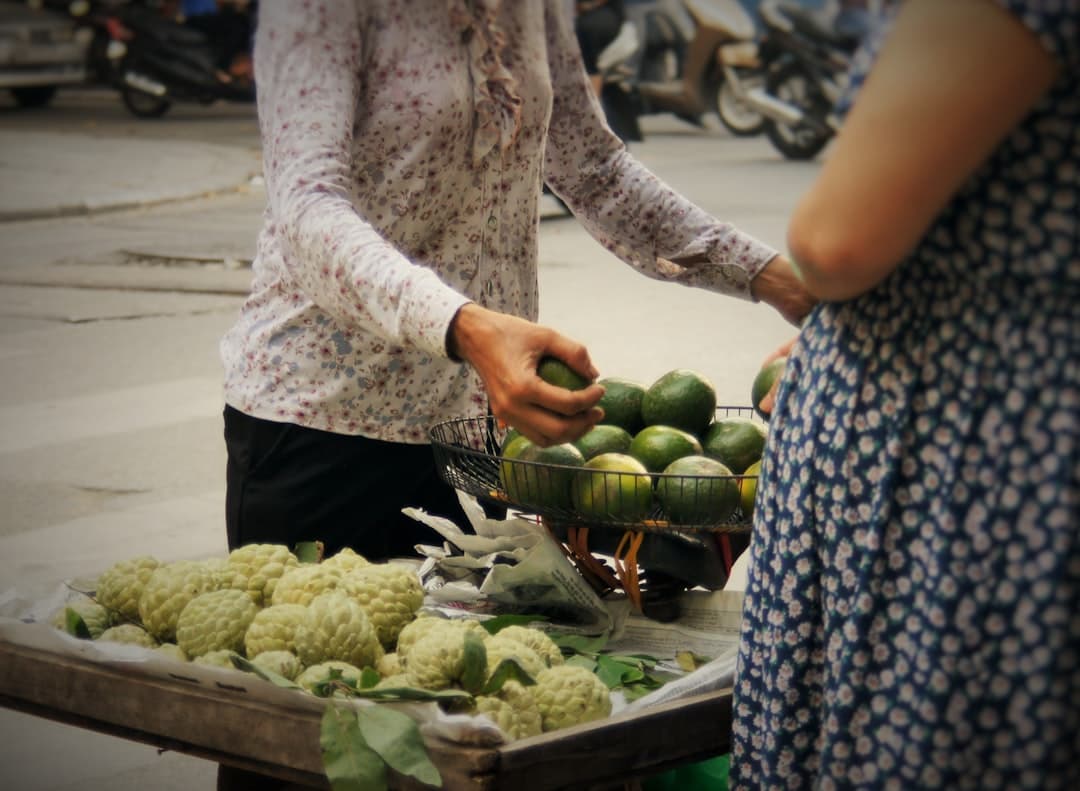
What sets the Hanoi Cooking Centre apart is its emphasis on authenticity and local sourcing. Participants begin their journey with a trip to a nearby market, where they learn to select the freshest ingredients, from vibrant herbs to the finest cuts of meat. This excursion not only enhances culinary skills but also immerses participants in the local culture, as they interact with vendors and gain insights into the daily life of Hanoi residents.
Back at the center, the cooking classes are thoughtfully structured, often focusing on a specific theme or region of Vietnam. Whether you are mastering the art of pho or assembling the perfect banh mi, the classes are hands-on, ensuring that every participant plays an active role in the cooking process. Under the guidance of experienced chefs, you will learn the nuances of balancing flavors, the importance of presentation, and the historical context of each dish.
“At Hanoi Cooking Centre, we believe that cooking should be a joyous and enriching experience.”
The highlight of the class is undoubtedly the moment when participants gather to enjoy their creations. The center fosters a family-style dining atmosphere, encouraging everyone to share their thoughts on the dishes and exchange cooking tips. This communal experience solidifies the bonds formed during the class and enhances the enjoyment of the meal.
In addition to the cooking classes, the Hanoi Cooking Centre also offers a culinary school for those looking to delve deeper into Vietnamese cuisine, making it a comprehensive resource for food enthusiasts. With its blend of practical skills, cultural immersion, and a welcoming environment, this center is an essential stop for anyone wishing to master the art of pho and banh mi.
THE CONCISE GUIDE
Social Norms
Dining Etiquette: Vietnamese dining is communal. Expect to share dishes and serve others before yourself. It is considered polite to wait for the eldest person at the table to begin eating.
Conversation: Engage in light conversation about food or local culture. Avoid sensitive topics such as politics.
Dress Codes
Casual Comfort: Dress comfortably but respectfully. Lightweight fabrics are advisable in the warm climate, and closed-toe shoes are recommended for cooking classes.
Aprons Provided: Most cooking schools will provide aprons, but consider wearing clothes you won’t mind getting a bit messy.
Strategic Timing
Best Time to Book: Classes are typically held in the morning or late afternoon. Morning classes allow for market excursions while afternoon sessions can be followed by dinner.
Seasonal Considerations: The best time to visit Vietnam is from November to April, when the weather is cooler and dryer, enhancing your cooking experience.
For a seamless travel experience, consider using trip.express to manage your itinerary, allowing you to focus on savoring the flavors of Vietnam.
THE LITTLE BLACK BOOK
Hanoi Cooking Centre
Address: 44 Chau Long, Ba Dinh, Hanoi, Vietnam
Price: Approximately $70 per person
Opening Hours: Daily, 9 AM - 5 PM
Selecting a cooking class focused on pho and banh mi is more than just a culinary endeavor; it is an invitation to explore Vietnam's rich cultural tapestry through its food. As you slice, stir, and savor, you will find that each dish crafted carries with it the stories of generations, echoing a heritage that is as vibrant and diverse as the country itself.