
“Explore Cappadocia's geological wonders and cultural depths in this comprehensive travel guide. Discover historical insights, local cuisine, and insider recommendations for an unforgettable experience.”
Cappadocia: Where the Earth Meets the Sky in Marvelous Harmony
The Hook
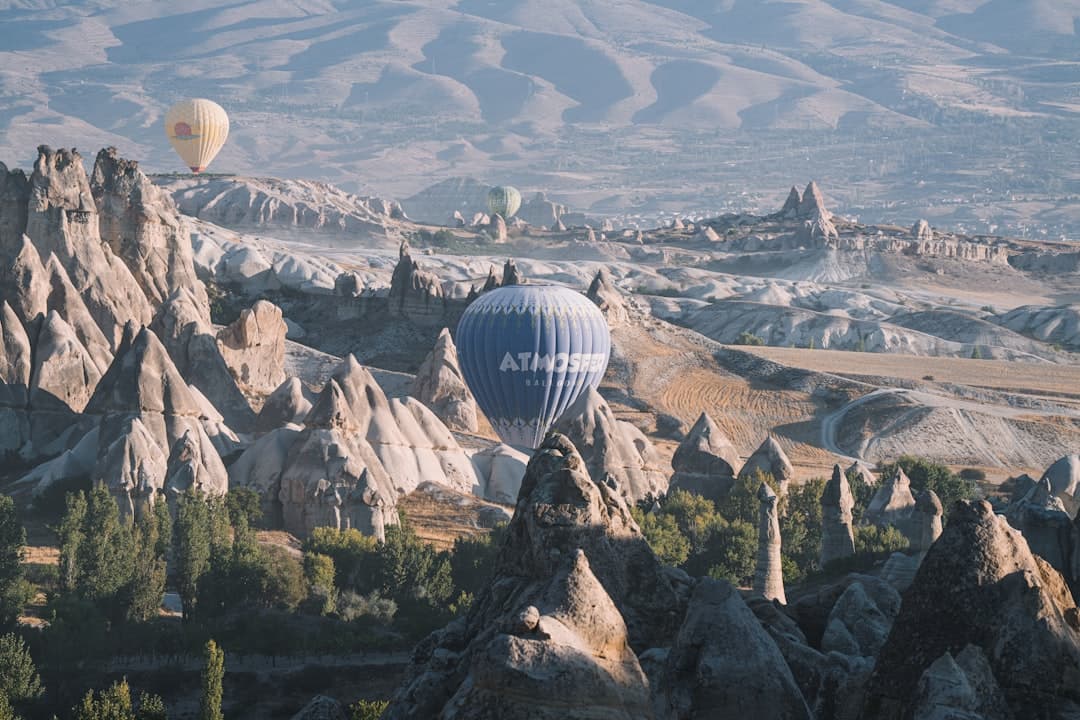
Cappadocia stands as a testament to nature's artistry, where the earth's volcanic rock has been sculpted into a surreal landscape of fairy chimneys and expansive underground cities. This region in central Turkey offers a striking juxtaposition of natural beauty and ancient human ingenuity, allowing visitors to traverse a land that has served as a refuge for various civilizations throughout history. The whirling patterns of the soft, tuff rock formations and the vibrant hues of sunrise and sunset create a canvas that shifts with each passing hour. As dawn breaks, hot air balloons rise into the sky, casting colorful shadows over the rocky terrain, a sight that has become emblematic of Cappadocia travel. The region's unique geological formations and rich cultural tapestry make it one of the most intriguing destinations for discerning travelers seeking both adventure and insight.
The Context
The history of Cappadocia is as layered as its geological formations. The region has been inhabited since the Hittite era, around 2000 BC, serving as a strategic crossroads between trade routes linking the east and west. Its significance grew with the rise of the Byzantine Empire, when Christians sought refuge from persecution by carving out intricate underground cities and rock-hewn churches adorned with frescoes. The area’s volcanic landscape, primarily formed by the eruptions of Mount Erciyes and Mount Hasan, provided not only raw materials for construction but also a natural defense against invaders.
Cappadocia's unique topography is characterized by soft volcanic rock called tuff, which is easily carved into homes, churches, and even entire subterranean cities. The most famous of these, Derinkuyu, extends up to 60 meters underground and could accommodate thousands of people, complete with ventilation shafts and communal areas. Today, Cappadocia is recognized as a UNESCO World Heritage site, drawing attention not only for its geological wonders but also for its rich cultural heritage. The blend of ancient traditions and modern influences is palpable in the region’s architecture, cuisine, and local crafts.
Understanding Cappadocia requires an appreciation of its multifaceted identity. The region is not merely a backdrop for picturesque photographs; it is a living tapestry of history and culture that invites travelers to engage with the past while enjoying contemporary comforts. This connection between history and modernity is what makes Cappadocia a compelling destination for those who seek to immerse themselves in both the natural and cultural landscapes.
The Atmosphere
Arriving in Cappadocia, one is immediately enveloped by a sense of wonder. The landscape unfolds dramatically with its otherworldly formations, expansive valleys, and rugged cliffs. The most iconic feature is undoubtedly the fairy chimneys—towering rock formations that rise like ancient sentinels above the valleys. These formations are a result of erosion, where softer rock has been worn away over millennia, leaving behind these striking structures that captivate visitors.
The architecture in Cappadocia is equally captivating. Many of the region's accommodations are carved directly into the rock, offering a unique blend of luxury and authenticity. Hotels like the Museum Hotel and Argos in Cappadocia provide not only exquisite service but also a chance to experience the region’s historical essence. Rooms are adorned with local artifacts, and every corner tells a story, from the ancient stone walls to the handcrafted furnishings. Staying in these cave hotels allows guests to feel the history of the land while enjoying modern amenities that cater to comfort and relaxation.
The service in Cappadocia reflects the region's hospitality. Local staff are often descendants of the very people who have lived in these caves for centuries, providing a warm and welcoming experience. Expect a level of attentiveness that is both personal and professional. Dining in Cappadocia is an experience not to be missed, with traditional Turkish cuisine taking center stage. Dishes such as testi kebab—a meat and vegetable stew cooked in a clay pot—showcase the region's agricultural bounty and culinary heritage. Dining establishments often emphasize local ingredients, and many offer stunning views of the valleys and rock formations.
Cappadocia comes alive at dawn and dusk. The early morning hot air balloon rides are not just an adventure; they are transformative experiences where the landscape reveals itself in the soft light of day. As you drift above the valleys, the silence is punctuated only by the occasional burst of flame from the balloon’s burner, and the views are nothing short of breathtaking.
As the sun sets, the landscape transforms again. The warm tones of the rock catch the light, creating a mesmerizing display that invites reflection. Whether enjoying a glass of local wine on a terrace overlooking the valleys or taking a leisurely walk through the unique rock formations, the atmosphere in Cappadocia is one of tranquility and awe.
“Cappadocia is a living tapestry of history and culture that invites travelers to engage with the past while enjoying contemporary comforts.”
The Insider's Gem
For those seeking a truly unique experience in Cappadocia, consider a private dinner at the historic Seki Restaurant, located within the Argos in Cappadocia hotel. Nestled in an ancient monastery, this restaurant offers a menu that artfully blends traditional flavors with modern techniques. The experience begins with a guided tour of the hotel's extensive wine cellar, which houses a remarkable selection of local wines, some of which are produced from ancient vineyards in the region.
The signature dish, the lamb shank slow-cooked with saffron and served with sweet potato puree, embodies the essence of Cappadocian cuisine. Every bite tells a story of the land’s rich agricultural heritage. The ambiance is enhanced by candlelight, with views of the valleys that stretch as far as the eye can see. Dining here is not just about the food; it is about the entire experience—the warmth of the service, the evocative surroundings, and the exceptional flavors.
As the meal progresses, the sun sets over the horizon, painting the sky in hues of orange and purple. This is the moment when the magic of Cappadocia truly comes alive. The experience is elevated by the knowledge of the staff, who are eager to share the history behind each dish and wine pairing. For those who wish to take their culinary journey further, cooking classes that focus on traditional Cappadocian recipes are available, allowing visitors to engage with the culture on a deeper level.
“Dining in Cappadocia is an experience not to be missed, showcasing local ingredients and culinary heritage.”
The Concise Guide
Social Norms
Cappadocians are known for their hospitality, so greeting locals with a warm smile is appreciated. It is customary to say “Merhaba” (Hello) when meeting someone. While English is widely understood in tourist areas, learning a few basic Turkish phrases can enhance your interactions.
Dress Codes
Cappadocia’s climate varies, so dressing in layers is advisable. When visiting religious sites, modest attire is expected. Women should consider covering their shoulders, and both men and women should avoid shorts in such settings.
Strategic Timing
For the best experience, aim to visit during the shoulder seasons of spring (April to June) or fall (September to October). The weather is mild, and the tourist crowds are fewer, allowing for a more intimate exploration of the region. Early morning is ideal for hot air balloon rides, while late afternoons are perfect for leisurely walks through the valleys.
Manage your itinerary on trip.express to ensure you make the most of your time in this extraordinary region.
The Little Black Book
-
Seki Restaurant Address: Argos in Cappadocia, Uçhisar, Cappadocia, Turkey Price: Approximately $30 - $80 per person Opening Hours: 12:00 PM - 10:00 PM
-
Museum Hotel Address: Tekeli Mah. No:1, Uçhisar, Cappadocia, Turkey Price: Rates starting at $300 per night Opening Hours: 24/7
-
Hot Air Balloon Rides Price: Approximately $150 - $250 per person Best Time: Sunrise, booking in advance is recommended
Cappadocia offers a unique blend of rich history, stunning landscapes, and a vibrant culture that resonates deeply with every traveler fortunate enough to explore it. Whether you seek adventure, relaxation, or cultural immersion, this region has something to offer for everyone.
Share this story
Comments
No comments yet
Be the first to share your thoughts with the community!