Best Souvenirs to Buy in Vietnam and Where to Find Them
Trip Express•Mar 9, 2026•5 min read
“Explore the best souvenirs to buy in Vietnam, from silk products in Hoi An to ceramics in Hanoi. Learn about the culture, history, and where to find authentic items that tell a story.”
Best Souvenirs to Buy in Vietnam and Where to Find Them
THE HOOK
Vietnam's vibrant tapestry of culture and craftsmanship makes it a treasure trove for discerning travelers in search of authentic souvenirs. Unlike mass-produced items found in tourist traps, the true essence of Vietnamese artistry lies in its hand-crafted goods, each telling a story of the region's rich history and traditions. From intricately woven textiles to delicate ceramics, each piece reflects the skill and dedication of local artisans. The act of selecting a souvenir in Vietnam transcends mere shopping; it is a journey into the heart of the country’s ancient practices and modern innovations.
In bustling markets, serene villages, and art galleries, you will discover the soul of Vietnam captured in tangible forms. Whether you are wandering the narrow streets of Hanoi's Old Quarter or exploring the ancient town of Hoi An, the opportunities to acquire unique items abound. These souvenirs not only serve as lasting reminders of your travels but also support local economies and preserve age-old crafts. Understanding what to look for and where to find these items can significantly enhance your travel experience.
THE CONTEXT
Vietnam's history is one marked by resilience, creativity, and communal spirit. With a heritage influenced by various dynasties, colonial rule, and the struggles for independence, Vietnamese culture is a mosaic of traditions and innovations. The country's artisanal practices have been passed down through generations, with each region specializing in particular crafts. For instance, the north is renowned for its silk production, while the south excels in pottery and lacquerware.
Share this story
Comments
Highly Anticipated
- Be the first to share your thoughts!
No comments yet
Be the first to share your thoughts with the community!
Leave a Reply
Keep Reading
Recommended Stories
As you delve into Vietnam's local markets, you will notice that many items are not just goods but are imbued with cultural significance. Ceramics from Bat Trang, for example, are not simply decorative; they embody centuries of craftsmanship and local folklore. Similarly, the silk from Hoi An is a nod to the city's historical role as a trading port, where silk was once exchanged for spices and other goods.
Moreover, Vietnam’s diverse ethnic groups contribute to its rich tapestry of handicrafts. From the colorful textiles of the Hmong people in the northern highlands to the intricate bamboo products of the Khmer, there is a wealth of artisanal talent waiting to be explored. This cultural depth is what makes shopping for souvenirs in Vietnam not just about acquiring items but about connecting with the stories and people behind them.
THE ATMOSPHERE
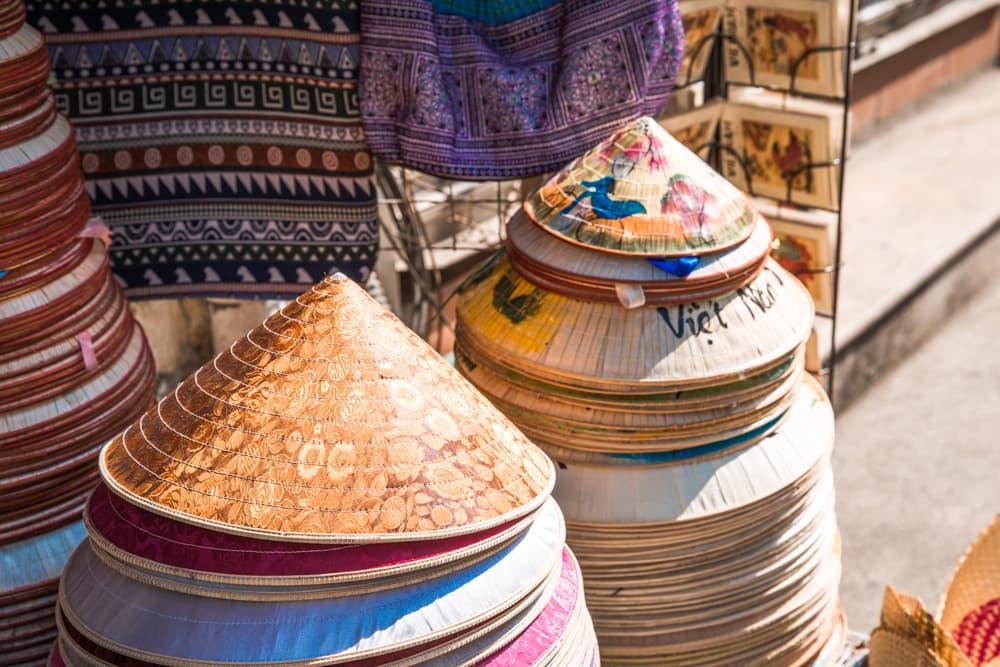
The ambiance of Vietnam’s marketplaces and artisan workshops is enchanting. In Hanoi, the Old Quarter is a sensory feast, where the aroma of street food mingles with the sounds of haggling vendors. Here, you can find silk scarves, embroidered bags, and traditional conical hats, each crafted with meticulous care. The narrow alleys are lined with shops showcasing the artistry of local craftsmen, inviting you to step inside and explore.
In contrast, Hoi An presents a more tranquil setting, especially after sunset when the town is lit by hundreds of colorful lanterns. The lanterns, which come in various shapes and sizes, are a signature of Hoi An’s charm and make for exquisite souvenirs. Beyond the lanterns, the town is known for its tailor shops, where you can commission bespoke clothing crafted from luxurious fabrics. The artistry of tailoring here is a blend of modern fashion and traditional techniques, allowing for a unique shopping experience.
As you journey south to Ho Chi Minh City, the atmosphere shifts to a bustling urban landscape filled with modern boutiques and artisan markets. The Ben Thanh Market, a staple for both locals and tourists, offers everything from handicrafts to gourmet food products. Here, you can sample local delicacies while shopping for artisanal products, making it a holistic experience.
The service in local shops often reflects the warmth of Vietnamese hospitality. Artisans are eager to share their stories and the significance of their crafts, creating an enriching dialogue that enhances your appreciation of the items you consider purchasing. Each interaction serves as a reminder of the craftsmanship that goes into every piece, making your souvenirs not just objects, but connections to the people and culture of Vietnam.
"Shopping for souvenirs in Vietnam is not just about acquiring items but about connecting with the stories and people behind them."
THE INSIDER'S GEM
One standout recommendation for an authentic Vietnamese souvenir is the traditional silk products from Hoi An. The town's silk industry dates back centuries, and today, it remains a vital part of its cultural identity. When you visit Hoi An, make it a point to stop at one of the many silk workshops where you can learn about the entire process of silk production, from silkworm cultivation to weaving.
One notable place to explore is the Hoi An Silk Village, located just outside the town center. Here, you can witness artisans at work, creating stunning silk garments and accessories. The village offers guided tours that provide insight into the techniques used in silk production, ensuring a comprehensive understanding of this intricate craft. You can also find a range of silk items, from luxurious scarves to intricately designed ao dai (traditional Vietnamese dress).
For a more personalized experience, consider commissioning a piece that reflects your style. The skilled tailors in Hoi An can create custom garments in a variety of colors and patterns, allowing you to leave with a truly unique souvenir. This level of craftsmanship, combined with the personal touch of custom design, makes Hoi An’s silk offerings an exceptional choice for travelers.
THE CONCISE GUIDE
Social Norms
Bargaining: It is customary to negotiate prices in markets. Start by offering about 50% of the asking price and work your way up from there.
Respectful Engagement: When interacting with artisans and shopkeepers, a smile and polite greeting can go a long way in establishing rapport.
Dress Codes
Modest Attire: Dress modestly when visiting rural areas or temples. Light clothes are ideal for the warm climate, while comfortable shoes are recommended for market wandering.
Strategic Timing
Best Times to Shop: Early mornings or late afternoons are ideal for market visits, as the heat is more bearable and vendors are less crowded.
Avoiding Peak Tourist Times: If possible, visit popular markets on weekdays to avoid the weekend rush.
Exploring Vietnam's rich landscape of souvenirs can greatly enhance your travel experience. By aligning your purchasing choices with local artisans, you not only bring home a piece of the country but also contribute to the preservation of its cultural heritage. For efficient planning and itinerary management, tools like trip.express can help streamline your journey through Vietnam.
THE LITTLE BLACK BOOK
Hoi An Silk Village
Address: Hoi An, Quang Nam Province
Price: Varies by item (Silk scarves from approximately $10; custom garments from $50)
Opening Hours: Daily from 8:00 AM - 6:00 PM
Ben Thanh Market
Address: 46 Phan Boi Chau, Ben Thanh, District 1, Ho Chi Minh City
Price: Varies by item (Bargain for best prices)
Opening Hours: Daily from 6:00 AM - 7:00 PM
Old Quarter, Hanoi
Address: Hoan Kiem District, Hanoi
Price: Varies by item (Silk scarves from approximately $5)
Opening Hours: Shops generally open from 9:00 AM - 9:00 PM
This guide serves as a compass for navigating the vast array of souvenirs available in Vietnam while enriching your understanding of the local culture and craftsmanship. Embrace the opportunity to connect with artisans and invest in pieces that resonate with your experience, ensuring that your journey is remembered long after you return home.