A Guide to Vietnamese Street Art and Culture in Ho Chi Minh City
Trip Express•Mar 9, 2026•5 min read
“Discover the dynamic street art and culture of Ho Chi Minh City. This comprehensive guide explores the city's vibrant murals, historical context, and insider tips for experiencing the local art scene.”
A Guide to Vietnamese Street Art and Culture in Ho Chi Minh City
The Hook
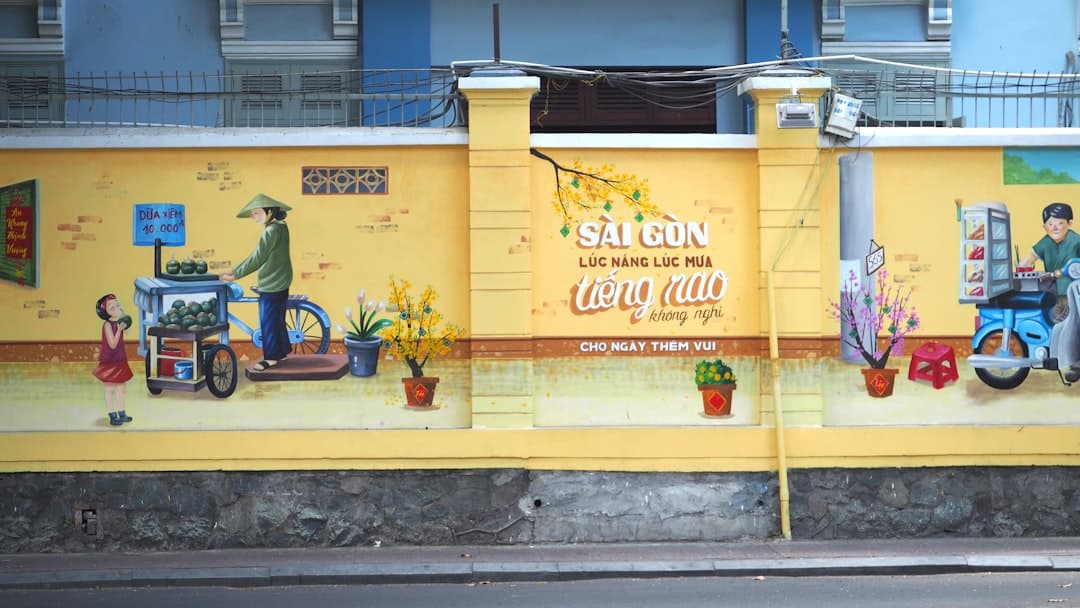
Ho Chi Minh City, Vietnam's bustling metropolis, is a vibrant canvas where tradition meets innovation. Each crumbling wall and lively alleyway bursts with stories told through striking murals, intricate graffiti, and captivating installations. The street art scene here serves not only as a visual feast but also as a reflection of the city's evolving identity and socio-political landscape. Unlike any other city in Southeast Asia, Ho Chi Minh City’s urban art is a testament to the resilience and creativity of its people, offering a unique lens into the heart of Vietnamese culture.
As you navigate the energetic streets, you’ll discover that the art is not merely decorative; it is a voice for the youth who challenge norms and express their aspirations. From the famous Nguyen Thi Minh Khai Street to the lesser-known alleyways of District 1, the art you encounter is a dynamic dialogue of past and present, echoing the sentiments of a society in transition. Here, the walls breathe; they narrate tales of history, hope, and the relentless spirit of creation that defines this city.
To truly appreciate this urban gallery, one must engage with the local culture, understanding the nuances that shape these vibrant expressions. The art you see is not just a collection of images; it is a cultural commentary and a celebration of community, making Ho Chi Minh City a must-visit destination for discerning travelers who seek depth and authenticity in their adventures.
Comments
Highly Anticipated
- Be the first to share your thoughts!
No comments yet
Be the first to share your thoughts with the community!
Leave a Reply
Keep Reading
Recommended Stories
The Context
Ho Chi Minh City, formerly known as Saigon, is a city steeped in history. Once the heart of French colonial rule, the city's architecture reflects a blend of Eastern and Western influences. This cultural juxtaposition reaches beyond buildings and monuments—it extends into the streets where art thrives. The end of the Vietnam War in 1975 marked a turning point for the city, ushering in an era of renewal and transformation. As Vietnam embraced economic reform (Đổi Mới), the streets became a fertile ground for artistic expression.
Street art emerged as a response to the changing landscape, capturing the ambitions of a new generation. Artists began to use their surroundings as mediums, creating works that spoke to social issues, personal stories, and national pride. The rise of social media further fueled this movement, allowing artists to share their work with a broader audience and encouraging collaboration.
Today, Ho Chi Minh City’s street art scene is diverse and dynamic. Local and international artists have converged here, each contributing to the tapestry of urban creativity. Murals depicting iconic figures from Vietnamese history stand alongside contemporary pieces that challenge societal norms. This juxtaposition creates a rich cultural narrative, where the past and future coexist and dialogue with each other. To explore this vibrant art scene is to engage with the very essence of Vietnam's ongoing story of resilience, adaptation, and hope.
As you walk through the city, you will notice that many of these artworks are situated near local markets, coffee shops, and community centers, inviting you to explore the spaces where life unfolds. The streets are alive, not just with art but with the laughter of children, the aroma of street food, and the bustle of daily life. It is this energy that turns every corner into an opportunity for discovery, making Ho Chi Minh City a living gallery that is both accessible and deeply engaging.
The Atmosphere
Walking through Ho Chi Minh City is akin to traversing a living museum. The vibrant colors of murals contrast with the earthy tones of colonial-era buildings, creating a visual dialogue that speaks to the city's layered history. As you venture into the neighborhoods, the architecture becomes a character in itself—French colonial buildings with their ornate balconies juxtaposed against modern skyscrapers and rustic market stalls. This eclectic mix sets the stage for the street art that adorns the walls, transforming ordinary spaces into extraordinary experiences.
Consider starting your exploration in the bustling District 1, where you can find some of the most prominent murals. Here, the walls tell stories of struggle and triumph, with pieces dedicated to the heroes of the past and contemporaneous issues such as environmentalism and social justice. The atmosphere is charged with creativity; artists often collaborate in public spaces, turning spontaneous gatherings into art-making sessions that invite participation from passersby.
Transitioning to the quieter alleyways of District 3, you might discover smaller, yet equally compelling pieces. These artworks often reflect a more intimate perspective on life in the city. Watch for murals that incorporate traditional Vietnamese motifs, seamlessly blending the old with the new. The juxtaposition of modern techniques with cultural symbols creates a dialogue that resonates deeply with locals, as well as visitors who are keen on understanding the social fabric of the city.
The food culture in Ho Chi Minh City complements the art scene beautifully. Street vendors and cafes line the streets, offering a plethora of local delicacies. As you pause to sip a robust Vietnamese coffee or savor a bowl of pho, take a moment to notice the art that surrounds you. Many cafes have adopted the aesthetic of street art, showcasing local talent on their walls. This creates a synergy between gastronomy and art, enhancing the overall atmosphere and inviting you to linger a little longer.
Evenings in Ho Chi Minh City unveil a different layer of the art scene. As the sun sets, the streets come alive with performances, pop-up galleries, and night markets. Artists often use this time to showcase their work, turning the streets into vibrant spaces for cultural exchange. The atmosphere is electric, filled with music, laughter, and the aroma of street food. This is a time when you can truly immerse yourself in the local culture, connecting with artists and enthusiasts who share a passion for creativity.
“In Ho Chi Minh City, every street corner holds a story waiting to be discovered.”
The Insider's Gem
For an authentic experience of Ho Chi Minh City's street art, consider a visit to the “Saigon Outcast.” This alternative cultural space is a hub for local artists and creatives, located in District 2. Saigon Outcast is not just a venue; it is a platform that nurtures artistic expression through exhibitions, workshops, and community events. The walls of Saigon Outcast are adorned with an ever-changing array of street art, showcasing works from both emerging and established artists.
What sets Saigon Outcast apart is its commitment to fostering community engagement. On weekends, the venue often hosts markets featuring local artisans, street food vendors, and live music. This creates a vibrant atmosphere where art, culture, and commerce intersect. Visitors can interact with artists, learn about their creative processes, and even participate in workshops where they can create their own art.
The venue’s outdoor space is particularly inviting, with graffiti-covered walls that serve as a backdrop for social gatherings. Here, you can enjoy a drink while soaking in the creative energy that permeates the air. The combination of art, music, and culinary delights makes it an ideal spot for those looking to experience the heartbeat of Ho Chi Minh City's cultural scene.
To make the most of your visit, consider checking the calendar for special events such as art exhibitions or live performances. These events often feature local talent and provide an opportunity to witness firsthand the dynamic art scene that defines the city. The atmosphere is welcoming, making it easy to connect with fellow travelers and locals alike.
“Saigon Outcast is a place where creativity thrives and community flourishes.”
The Concise Guide
Social Norms
Respect Personal Space: While locals are often warm and welcoming, personal space is valued. Approach conversations with a polite demeanor.
Politeness is Key: A simple greeting in Vietnamese, such as “Xin chào,” goes a long way. Demonstrating respect for the local culture will enhance your interactions.
Dress Codes
Casual and Comfortable: The climate is typically warm, so lightweight and breathable clothing is recommended. However, when visiting temples or cultural sites, modest attire is appreciated.
Footwear: Comfortable walking shoes are essential, as you will likely be exploring the city on foot.
Strategic Timing
Early Mornings or Late Afternoons: The best time to explore the street art scene is during the early morning or late afternoon when the light is softer, creating a more atmospheric experience.
Weekdays for Less Crowds: If possible, visit during weekdays to avoid the weekend rush, allowing for a more intimate exploration of the art.
For savvy travelers, managing your itinerary is essential. Utilize trip.express to streamline your plans, ensuring you don’t miss any of the cultural highlights Ho Chi Minh City has to offer.
The Little Black Book
Saigon Outcast
Address: 188/1 Nguyen Van Huong, Thao Dien, District 2, Ho Chi Minh City
Price: Free entry; costs may vary for events/workshops
Opening Hours: Daily 10:00 AM - 10:00 PM
Nguyen Thi Minh Khai Street Murals
Address: Nguyen Thi Minh Khai, District 1, Ho Chi Minh City
Price: Free
Opening Hours: Open 24/7
District 3 Alleyways
Address: Various locations in District 3, Ho Chi Minh City
Price: Free
Opening Hours: Open 24/7
Engage deeply with the art, culture, and vibrancy of Ho Chi Minh City—a destination where every street has a story to tell.