A Guide to Understanding Vietnamese Coffee Variations
Trip Express•Mar 9, 2026•5 min read
“Discover the rich culture of Vietnamese coffee through its unique variations, historical significance, and must-visit cafés. Explore the art of brewing and savor the flavors that define this beloved beverage.”
A Guide to Understanding Vietnamese Coffee Variations
THE HOOK
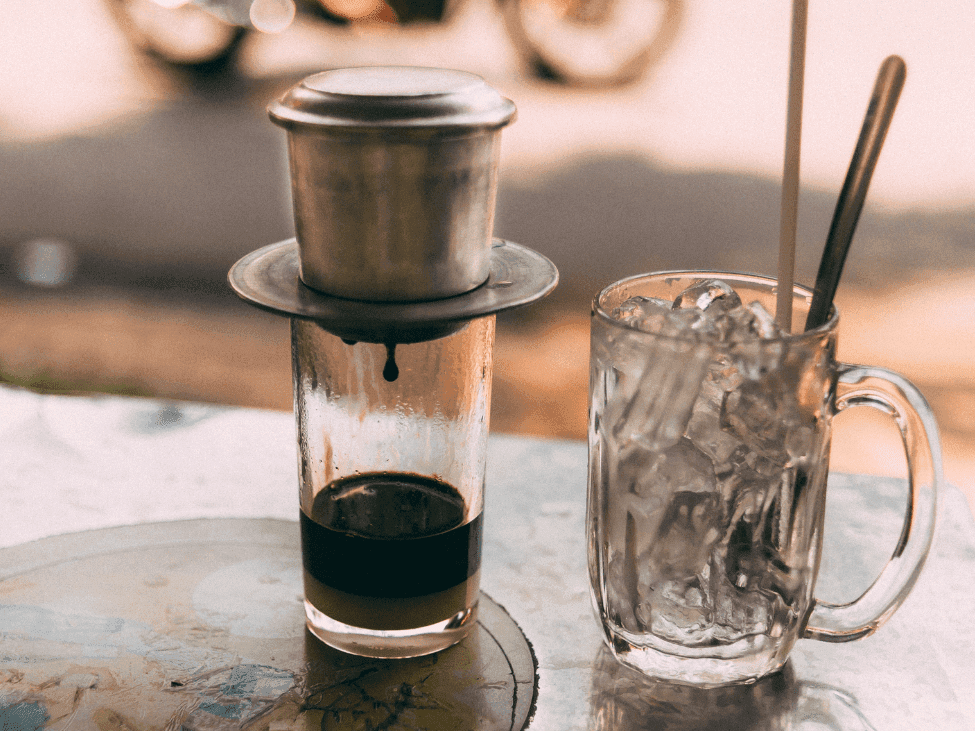
Vietnam is the second largest coffee producer in the world, yet its coffee culture remains a well-kept secret to many. The rich, complex flavors of Vietnamese coffee are not merely a beverage choice; they reflect a deep history and a vibrant culture that takes pride in its unique brewing methods. From the iconic phin filter, which allows for a slow and deliberate extraction, to the sweetened condensed milk that adds a creamy richness, each cup tells a story. Unlike the hurried coffee culture found in many Western countries, Vietnamese coffee is savored, often enjoyed over extended conversations with friends or family. The experience is as much about the social ritual as it is about the drink itself, making visiting a local café an essential part of understanding Vietnamese life. As you embark on your journey through Vietnam, let the aroma of robusta beans guide you to discover the nuances of this beloved national beverage.
THE CONTEXT
Coffee was introduced to Vietnam by French colonists in the 19th century, and since then, it has evolved into a cornerstone of Vietnamese culture. The country’s unique climate, with its high altitudes and rich volcanic soil, provides ideal conditions for growing coffee, particularly robusta beans, which are known for their strong flavor and higher caffeine content. Unlike arabica, common in many other countries, robusta is less acidic and has a more bitter profile, which profoundly influences the traditional brewing methods found across Vietnam.
Throughout the years, coffee has become intertwined with Vietnamese identity, symbolizing resilience and adaptability. The introduction of sweetened condensed milk during the scarcity following the Vietnam War led to the creation of iconic drinks like cà phê sữa đá (iced milk coffee) and cà phê trứng (egg coffee). These innovations not only reflect the resourcefulness of the Vietnamese people but also their ability to create something extraordinary from limited resources.
Share this story
Comments
Highly Anticipated
- Be the first to share your thoughts!
No comments yet
Be the first to share your thoughts with the community!
Leave a Reply
Keep Reading
Recommended Stories
Today, coffee shops are ubiquitous in Vietnamese cities, ranging from small street-side stalls to upscale cafes adorned with elegant décor. Each establishment has its own unique atmosphere, yet all share a common dedication to the art of coffee brewing. As you traverse the vibrant streets of Ho Chi Minh City or Hanoi, you will encounter locals enjoying their daily dose of caffeine, often taking the time to relish every sip. Here, coffee transcends being just a beverage; it is a social glue, a way to connect with others, and a means of celebrating life’s simple pleasures.
THE ATMOSPHERE
As you step into a typical Vietnamese café, expect to be enveloped in an atmosphere that is both lively and inviting. The sound of coffee dripping through the phin filter harmonizes with the chatter of patrons, creating a delightful symphony of daily life. Many cafés feature a blend of traditional and modern architecture, with rustic wooden furniture, high ceilings, and large windows that allow natural light to pour in. This design fosters a warm and inviting environment suitable for both quiet reflection and spirited conversations.
The service in Vietnamese cafés is typically relaxed and unhurried, encouraging you to take your time. Here, you are not just a customer but a valued guest. As you settle into your seat, you may notice the rich aroma of roasting coffee beans wafting through the air—a reminder of the quality ingredients that form the backbone of Vietnamese coffee culture.
In addition to the traditional wooden tables and chairs, many cafés incorporate lush greenery, with plants cascading from shelves or climbing walls, providing a refreshing contrast to the bustling city streets outside. This thoughtful integration of nature creates a serene ambiance, allowing patrons to escape the urban rush and indulge in the simple pleasure of coffee.
One cannot overlook the significance of the phin filter, a quintessential tool in Vietnamese coffee preparation. Made from stainless steel or aluminum, this simple device allows for a slow brewing process that draws out the rich flavors of the coffee grounds. The resulting cup is often dark and robust, with layers of sweetened condensed milk creating a comforting richness that invites you to linger.
“Vietnamese coffee is not just a drink; it is a ritual that connects people, a moment to pause in the whirlwind of life.”
THE INSIDER'S GEM
To truly experience the depth of Vietnamese coffee culture, seek out Café Giảng in Hanoi, renowned for its original egg coffee (cà phê trứng). This café, established in the 1940s by Nguyen Giang, a former teacher, has become a beloved institution among locals and travelers alike. As you enter, you are greeted by a vintage ambiance, complete with wooden furniture and dim lighting that evokes a sense of nostalgia.
The egg coffee itself is a revelation. A combination of strong coffee, egg yolk, sugar, and sweetened condensed milk, it is whisked to create a frothy topping that sits atop the coffee like a cloud. This drink is a delightful balance of bitter and sweet, with a creamy texture that makes it irresistible. Ordering this specialty at Café Giảng is more than just a culinary experience; it is an invitation to partake in a piece of Vietnamese history.
As you sip this unique beverage, take a moment to appreciate the café's atmosphere. Locals gather here to chat, work, or simply enjoy their coffee, embodying the essence of Vietnamese social life. The café’s walls are adorned with vintage photographs, each telling a story of its own, making it a perfect place to soak in the rich culture that surrounds you.
Visiting during early morning or late afternoon can provide a more tranquil experience, allowing you to enjoy your coffee while observing the ebb and flow of daily life in Hanoi. The café often fills with the hushed sounds of conversation and the clinking of cups, creating an inviting backdrop that enhances the enjoyment of your drink.
“At Café Giảng, every cup of egg coffee is a testament to the ingenuity of Vietnamese culture.”
THE CONCISE GUIDE
Social Norms
When visiting cafés in Vietnam, it is customary to greet the staff with a polite “Xin chào” (hello) and to be patient, as service can be leisurely. Locals often spend hours at cafés, so do not rush your experience. Engaging in small talk with the staff or adjacent patrons is appreciated and can enhance your visit.
Dress Codes
Casual attire is widely accepted in most cafés. However, if you plan to visit upscale establishments, dressing slightly more formally may be appropriate. Comfortable shoes are recommended, as you may find yourself walking long distances between cafés.
Strategic Timing
To avoid the crowds, aim to visit cafés during off-peak hours, such as mid-morning or late afternoon. Early mornings are ideal for experiencing the local routine, while evenings often see gatherings of friends and families enjoying their coffee together.
As you plan your itinerary, consider using trip.express to manage your visits and ensure you maximize your coffee experiences in Vietnam.
THE LITTLE BLACK BOOK
Café Giảng
Address: 39 Nguyễn Hữu Huân, Lý Thái Tổ, Hoàn Kiếm, Hà Nội, Vietnam
Price: Approximately 40,000 VND for a cup of egg coffee
Opening Hours: Daily from 7:00 AM to 10:00 PM
In conclusion, exploring Vietnamese coffee is not merely a culinary pursuit but an opportunity to immerse oneself in the country's vibrant culture. Each cup offers a glimpse into the heart of Vietnam, making the journey as enriching as the destination itself.