

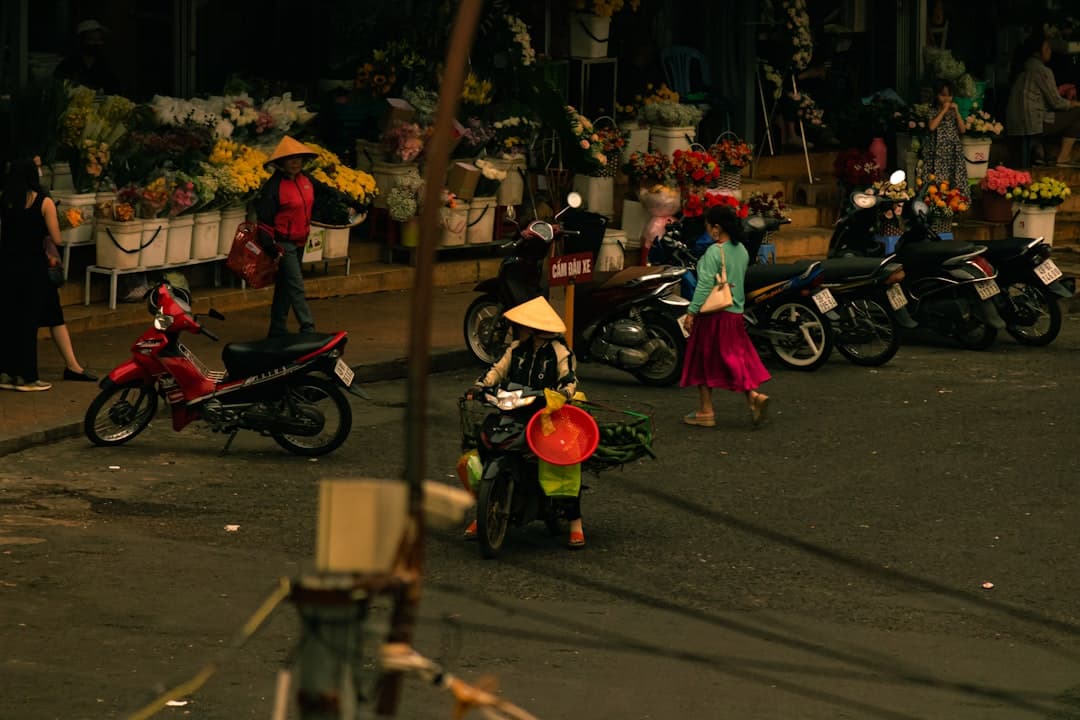
“Explore the art of safely riding a motorbike in Vietnam with our in-depth guide. Discover the culture, navigate the streets, and immerse yourself in this vibrant travel experience.”
A Guide to Safely Riding a Motorbike in Vietnam
THE HOOK
Riding a motorbike in Vietnam is more than just a means of transportation; it is an immersive experience that takes you deep into the heart of the country’s vibrant culture and breathtaking landscapes. With over 60 million registered motorbikes, the streets of cities like Ho Chi Minh and Hanoi are alive with a unique rhythm—one where the almost chaotic flow of traffic merges seamlessly with the everyday lives of the locals.
Navigating these bustling thoroughfares presents both excitement and a sense of exhilaration rarely found elsewhere. Picture this: you’re gliding past iconic landmarks, inhaling the aroma of street food, and witnessing the juxtaposition of ancient history and modern life unfold before your eyes. Yet, amidst this allure lies a crucial aspect—safety. Understanding how to ride a motorbike in Vietnam isn’t merely about mastering the physical act; it’s about grasping the local etiquette, rules of the road, and the nuances that dictate safe riding.
As a sophisticated traveler, your journey will benefit not only from the thrill of riding but also from a respectful engagement with the rich tapestry of Vietnamese culture. Whether you are planning a week-long adventure or a brief escape, knowing how to navigate the roads safely will enhance your experience exponentially.
THE CONTEXT
Vietnam’s history is a tapestry of conflict, resilience, and cultural evolution. From the ancient kingdoms to the French colonial era, the impact of these periods is palpable in the country’s architecture, language, and daily life. The introduction of the motorbike in the late 20th century marked a significant shift in transportation, allowing the burgeoning population to navigate cities that were once challenging to traverse. Today, the motorbike is not just a vehicle; it represents freedom, independence, and a connection to the land.
As you prepare for your motorbike adventure, consider the cultural significance of this mode of transport. The streets are shared by locals commuting to work, families running errands, and tourists eager to explore. Each ride is an opportunity to engage with history—passing by ancient temples or remnants of colonial architecture. The bustling street markets, vibrant cafes, and the warmth of local smiles punctuate your journey, offering a sensory overload that is uniquely Vietnamese.
To ride a motorbike in Vietnam is to embrace this culture fully. However, it is essential to approach this experience with awareness and respect. Understanding local customs—like the importance of wearing a helmet, adhering to traffic signals, and the practice of honking as a way to communicate—will not only keep you safe but also enhance your interaction with the locals. Each ride tells a story, and being a respectful participant in this narrative is crucial.
THE ATMOSPHERE
Imagine setting out on a motorbike early in the morning, the streets still damp from a light rain, with the soft light of dawn illuminating the bustling markets. As you navigate the narrow lanes of Hanoi’s Old Quarter, the air is filled with the enticing scent of fresh pho and banh mi being prepared by street vendors. The architecture around you tells tales of centuries past, with traditional wooden houses standing alongside French colonial buildings, each structure steeped in history.
The atmosphere in Vietnam is electric yet grounded. In the cities, the blend of modernity and tradition creates a unique backdrop for your journey. As you ride, you will encounter everything from the frenetic energy of traffic to serene rice paddies that stretch endlessly into the horizon. The contrasts are striking, from the chaos of the streets to the tranquility of the countryside.
Service in Vietnam is characterized by its warmth and hospitality. Locals are often eager to assist travelers, whether it’s offering directions or sharing a meal. As you interact with vendors or fellow riders, you will find that a friendly smile and a few words in Vietnamese can go a long way.
As the day progresses, the atmosphere shifts. Afternoon sun casts long shadows and the streets become a tapestry of colors—vendors displaying their goods, children playing, and the rhythmic sound of motorbike engines fills the air. Riding as the sun sets allows you to witness the transformation of the city, where neon lights begin to flicker to life, and cafes fill with patrons enjoying leisurely evenings.
"To ride a motorbike in Vietnam is to embrace the culture fully; it’s an experience steeped in history and connection."
THE INSIDER'S GEM
For those looking to truly immerse themselves in the Vietnamese experience, consider riding your motorbike to the outskirts of Hoi An, particularly in the early morning or late afternoon. Here, you’ll find the serene beauty of rice fields and local villages that are often overlooked by tourists.
One specific recommendation is to visit the village of Tra Que, known for its organic herb farming. The ride from Hoi An to Tra Que is picturesque, with the landscape gradually transforming from urban to rural. Upon arrival, you can partake in a cooking class where you’ll learn to prepare traditional Vietnamese dishes using fresh, local ingredients. This experience not only enhances your culinary skills but also provides insight into the farming practices that sustain the community.
Engaging with the villagers offers a deeper understanding of their way of life. They are welcoming and often eager to share stories of their heritage, making your visit both enriching and memorable.
Riding back to Hoi An during sunset, the sky painted with hues of orange and pink, encapsulates the essence of Vietnam's charm. The serene ambiance contrasts beautifully with the vibrant city life, offering a perfect end to a day of exploration.
THE CONCISE GUIDE
Navigating Vietnam on a motorbike requires understanding some essential social norms and practical tips:
- Social Norms: Always wear a helmet, both for safety and to adhere to local laws. Be mindful of traffic signals and the flow of traffic; honking is common and serves as a warning rather than a sign of aggression.
- Dress Codes: Lightweight, breathable clothing is advisable, especially in the warmer months. Opt for closed-toe shoes when riding to protect your feet.
- Strategic Timing: The best times to ride are early morning or late afternoon when traffic is lighter and temperatures are more comfortable. Avoid peak hours to ensure a smoother experience.
For seamless itinerary management, consider leveraging trip.express to organize your travel plans effectively.
THE LITTLE BLACK BOOK
- Address: Various locations across Vietnam, including Ho Chi Minh City, Hanoi, and Hoi An.
- Price: Motorbike rentals typically range from $5 to $10 per day, depending on the model and rental service.
- Opening Hours: Rental shops are generally open from 8 AM to 8 PM; however, some may offer extended hours.
In conclusion, riding a motorbike in Vietnam is an adventure that transcends mere transportation. It is a gateway to understanding the culture, history, and daily life of this dynamic country. By prioritizing safety and engaging respectfully with the local community, your journey will be not just about the destination, but the experiences that shape your travel narrative.
Share this story
Comments
No comments yet
Be the first to share your thoughts with the community!