

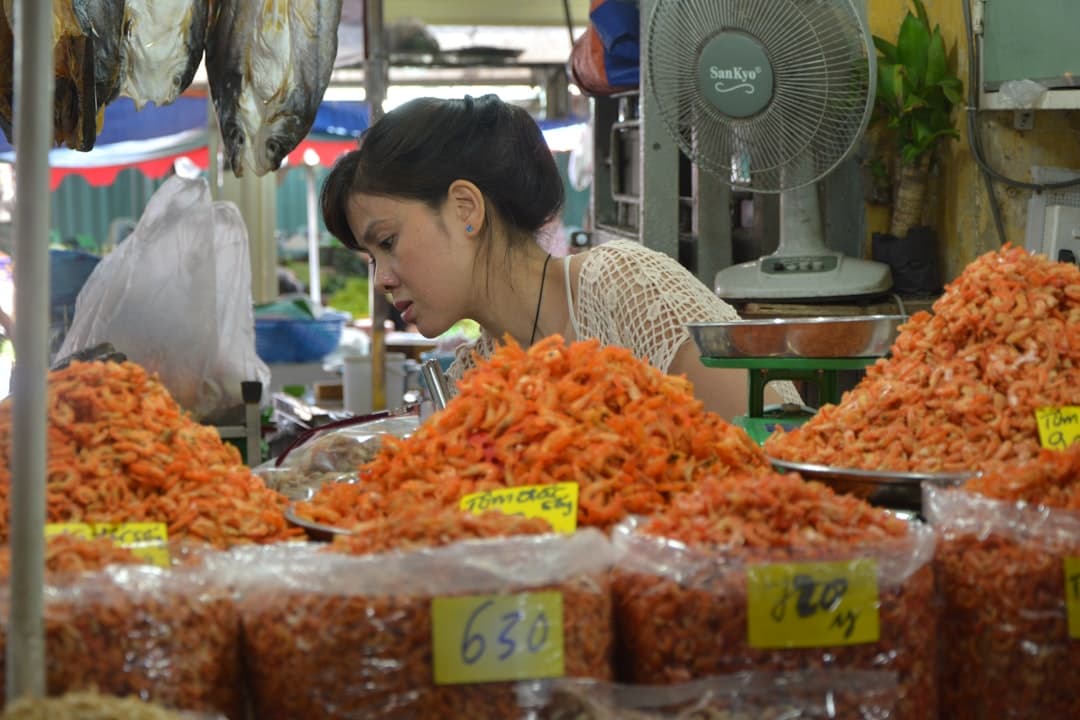
“Explore the vibrant local markets of Vietnam for an authentic spice experience. This guide covers the history, atmosphere, and insider tips for navigating these culinary hubs.”
A Guide to Local Markets for Authentic Vietnamese Spices
THE HOOK
The essence of Vietnamese cuisine lies not just in its ingredients but in the vibrant, sensory experiences offered by its local markets. Each bustling marketplace serves as a microcosm of Vietnamese culture, showcasing an array of spices that are both integral to traditional dishes and emblematic of the country's culinary heritage. From the aromatic nuances of star anise to the fiery kick of bird's eye chili, these markets provide an authentic glimpse into the heart of Vietnam's gastronomic identity.
Navigating these markets, one quickly realizes that they are more than mere shopping venues; they are lively social hubs where locals engage in daily rituals of buying, selling, and sharing. Whether you’re a seasoned chef or a curious traveler, discovering the spices of Vietnam through its markets offers an unparalleled opportunity to engage with local life. Here, you can learn about ingredients that have been used for generations, understand their cultural significance, and even partake in culinary traditions that define the Vietnamese way of life.
THE CONTEXT
Vietnam's rich culinary landscape is deeply influenced by its history, geography, and social interactions. With influences from China, France, and indigenous cultures, Vietnamese cuisine is characterized by its balance of flavors—sweet, sour, spicy, and salty. Spices play a pivotal role in achieving this balance, and local markets have historically been the cornerstone of culinary exchange.
The origins of many spices used in Vietnamese cooking can be traced back to ancient trade routes, where merchants exchanged not only goods but also cultural practices and recipes. The introduction of spices such as black pepper, lemongrass, and ginger shaped the way Vietnamese food is prepared and enjoyed today. Each region of Vietnam has its unique spice profile, influenced by local agricultural practices and climate. For example, the central region is known for its use of spices like chili and garlic, while the north favors herbs like coriander and mint.
Visiting local markets not only provides insight into these spices but also reveals the stories of the people who cultivate them. Many vendors are descendants of generations of farmers and artisans who have honed their craft over decades. Engaging with these vendors allows travelers to appreciate the deep-rooted traditions that shape Vietnamese cuisine.
THE ATMOSPHERE
Stepping into a Vietnamese market is akin to entering a world of color, sound, and scent. The air is thick with the aroma of fresh herbs, spices, and street food. Stalls overflow with vibrant produce, while vendors call out to passersby, their voices blending into a lively cacophony. The architectural layout of these markets often features open-air designs, with makeshift canopies providing shade and shelter. This open configuration creates a communal atmosphere that encourages interaction among vendors and customers.
One such market, Ben Thanh Market in Ho Chi Minh City, is an iconic representation of this bustling environment. Its distinctive clock tower serves as a landmark, while the interior is a labyrinth of stalls selling everything from spices to textiles. The market's layout allows for easy navigation, making it a popular destination for both locals and tourists. Here, the spices are displayed in vibrant piles, with colorful labels denoting their origins and uses.
The interaction with vendors is equally important. Many are eager to share their knowledge, offering samples or explaining how to use specific spices in traditional dishes. This engagement not only enriches the shopping experience but also fosters a sense of connection to the local culture. As you wander the aisles, consider stopping by one of the many food stalls for a bowl of pho or a banh mi, where the spices come to life in the dishes prepared right in front of you.
The atmosphere is further enhanced by the presence of artisanal products, such as handmade spice blends and sauces. Observing the preparation of these products provides a deeper understanding of their culinary significance. You may witness a vendor expertly grinding spices with a mortar and pestle, a practice that has remained unchanged for centuries. This authenticity resonates with travelers seeking to connect with the local culture on a more meaningful level.
"In Vietnam, spices are not just ingredients; they are a bridge connecting the past to the present, the local to the global."
THE INSIDER'S GEM
While exploring the many markets can be overwhelming, one standout experience can be found at the Dong Ba Market in Hue. Nestled along the banks of the Perfume River, this market offers a unique blend of traditional and contemporary Vietnamese culture. The market is particularly renowned for its wide selection of spices and condiments, reflective of the region's imperial heritage.
One must-try item at Dong Ba Market is the local specialty, Hue chili salt (muối tôm). This blend of roasted chili, salt, and various spices is a staple in Hue cuisine, often used as a dipping sauce for fresh fruits and vegetables. Many vendors offer their own unique iterations, allowing you to sample and compare before making a purchase. Engaging with the vendors here provides an opportunity to learn about the traditional methods of preparation and the significance of this condiment in local dishes.
Another gem within this market is the chance to observe the traditional practice of making fermented fish sauce (nước mắm). This artisanal process is critical in Vietnamese cuisine, and at Dong Ba, you can see vendors showcasing their craft, often sharing stories of family recipes passed down through generations. This not only enriches your understanding of local flavors but also contributes to the authenticity of your culinary experience.
Visiting Dong Ba Market in the early morning is highly recommended. This is when the market is at its liveliest, with vendors setting up their stalls and locals coming in to shop for the day. The atmosphere is charged with energy, creating a vivid backdrop for your exploration. Arriving early also ensures that you have the best selection of fresh spices and ingredients.
"Markets like Dong Ba are where the spirit of Vietnam’s culinary traditions truly come alive."
THE CONCISE GUIDE
Social Norms
- Always greet vendors politely. A simple "xin chào" (hello) goes a long way.
- Haggling is common but should be done respectfully. Start low, but be prepared to reach a compromise.
Dress Codes
- Dress comfortably and casually, but consider lightweight fabrics to cope with the heat and humidity.
- Closed-toe shoes are advisable for navigating crowded spaces.
Strategic Timing
- Visit markets early in the morning for the freshest produce and most vibrant atmosphere.
- Weekdays are usually less crowded than weekends, providing a more relaxed experience.
For the sophisticated traveler wishing to manage their itinerary efficiently, utilizing platforms like trip.express can enhance your market exploration, ensuring you make the most of your time in Vietnam.
THE LITTLE BLACK BOOK
- Dong Ba Market
- Address: 20 Trần Hưng Đạo, Phú Hòa, Huế, Vietnam
- Price: Varies by vendor; expect to pay around 10,000 - 50,000 VND for spices.
- Opening Hours: Daily from 6:00 AM to 6:00 PM.
Share this story
Comments
No comments yet
Be the first to share your thoughts with the community!