
“Explore the vibrant world of traditional Vietnamese festivals, their historical context, and insider tips for an immersive experience. Discover how to engage authentically with Vietnamese culture during these captivating celebrations.”
A Guide to Attending Traditional Vietnamese Festivals
THE HOOK
Vietnam's cultural landscape is marked by an array of vibrant festivals that echo the nation’s rich history and diverse traditions. Each festival is a living testament to the resilience and creativity of the Vietnamese people, showcasing their values, beliefs, and artistry. From the bustling streets of Hanoi to the serene rivers of Hoi An, the celebrations are characterized by a unique blend of communal spirit and artistic expression.
As you navigate through these events, one defining characteristic emerges: the palpable energy that transforms cities into lively canvases of color and sound. The rhythmic beats of traditional music, the intricate designs of ceremonial costumes, and the aroma of local delicacies wafting through the air create an immersive experience that transcends mere observation. Attending a festival in Vietnam is not just about witnessing a spectacle; it is about engaging with a culture that is both ancient and evolving.
Vietnamese festivals offer an exclusive opportunity to connect with the locals, understand their customs, and appreciate the stories that have shaped their identity. Each celebration, whether it’s the Lunar New Year (Tết) or the Mid-Autumn Festival, provides a unique lens through which to view the country’s past and present. Those who choose to participate will find themselves not only observers but also integral parts of the unfolding narrative. For the discerning traveler, these festivals are a gateway to an authentic Vietnamese experience, one that can be meticulously planned and managed through platforms like trip.express, ensuring an itinerary that captures the essence of these cultural events.
THE CONTEXT
Vietnam’s festivals are deeply rooted in its history, many of which date back thousands of years, often intertwined with agricultural cycles, spiritual beliefs, and historical events. The Lunar New Year, or Tết Nguyên Đán, marks the beginning of the lunar calendar and is the most significant celebration in Vietnam, symbolizing renewal and hope. Families gather to honor their ancestors, share meals, and participate in various rituals aimed at bringing good fortune for the year ahead. The festival is characterized by a rich array of traditional foods, such as bánh chưng (square sticky rice cake), and vibrant decorations featuring peach blossoms in the north and yellow apricot blossoms in the south.
Another notable festival is the Mid-Autumn Festival (Tết Trung Thu), celebrated primarily for children. This event, which falls on the 15th day of the eighth lunar month, honors the harvest and the moon's fullness. Lantern processions, mooncake sharing, and lion dances create a festive atmosphere that emphasizes community and togetherness.
Each region of Vietnam boasts its own distinctive festivals, shaped by local customs and historical influences. For instance, the Hùng Kings' Temple Festival in Phú Thọ honors the legendary founders of the nation and involves traditional rituals, folk games, and cultural performances. In contrast, the Đền Hùng Festival is a celebration of national pride, with a focus on unity and remembrance.
Understanding the historical context of these festivals enhances the experience, providing a deeper appreciation for the rituals and customs observed. It is essential to recognize that these festivals are not merely events but rather reflections of the Vietnamese spirit and resilience, evolving through centuries yet remaining firmly anchored in tradition.
THE ATMOSPHERE
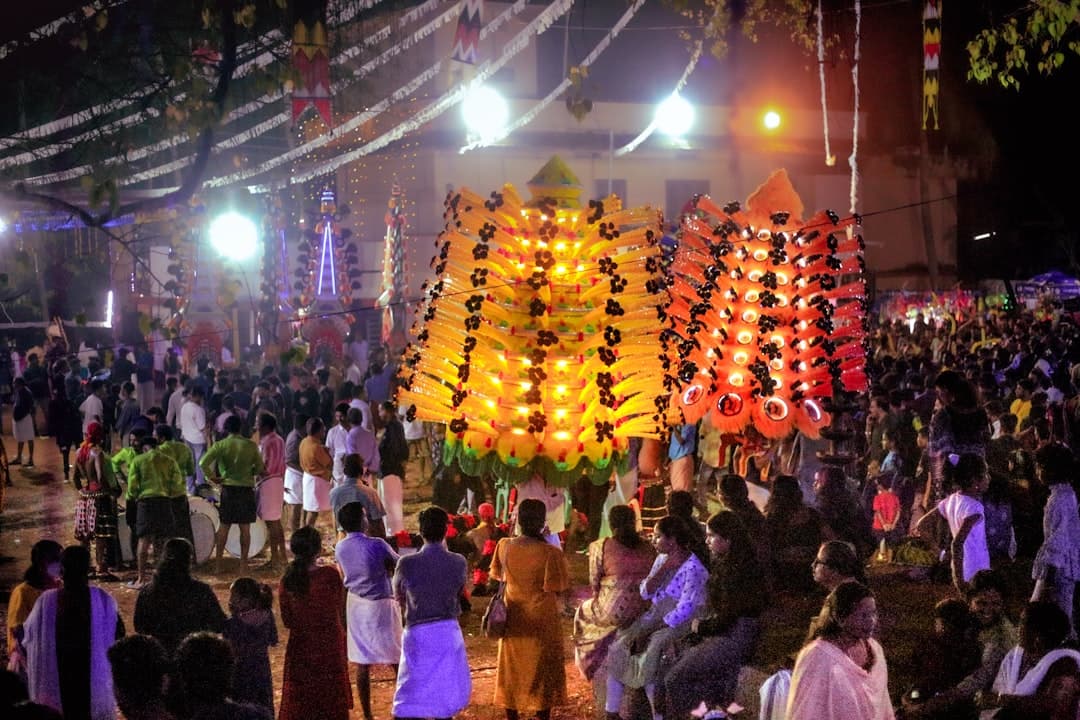
Attending a traditional Vietnamese festival is akin to stepping into a vivid tapestry of life, where every thread tells a story. As you approach a festival site, the ambiance shifts dramatically; the air is charged with excitement and anticipation. Streets are adorned with colorful banners, lanterns, and flower arrangements, creating a visual feast that beckons you to explore. The architecture surrounding these festivals often reflects a blend of ancient and modern styles, from ornate temples and pagodas to bustling markets filled with artisanal crafts.
The sounds of traditional music—whether it be the haunting melodies of the đàn bầu (a one-string instrument) or the energetic rhythms of folk songs—envelop you, inviting you to join in the celebration. Local performers don intricate costumes, embodying characters from folklore or historical narratives, their movements telling stories that resonate with both locals and visitors alike.
Food stalls line the streets, offering an extensive array of local delicacies. The enticing aroma of grilled meats, fresh herbs, and sweet desserts fills the air, each bite offering a taste of Vietnam’s culinary heritage. You may find yourself savoring bánh xèo (Vietnamese pancakes) or sipping on fresh coconut juice while watching a lion dance performance, where performers in vibrant costumes leap and twirl, embodying the spirit of good luck and joy.
As day turns to night, the atmosphere transforms. Lanterns illuminate the surroundings, casting a warm glow that enhances the festive mood. The sense of community becomes even more pronounced as families and friends gather, sharing stories and laughter, reinforcing the bonds that festivals are meant to celebrate.
It is not uncommon to see cultural exchange taking place, where visitors are invited to participate in traditional games or try their hand at calligraphy. This interactive approach fosters a sense of belonging and enriches the experience, allowing you to engage authentically with the local culture.
The architecture, service, and features of these festivals reflect the spirit of hospitality inherent in Vietnamese culture. Locals take pride in sharing their traditions, often going out of their way to ensure that visitors feel welcome. This warmth, combined with the visual and sensory richness of the festivals, creates an unforgettable atmosphere that lingers long after the celebrations have ended.
THE INSIDER'S GEM
For those seeking a unique experience during Vietnam’s festivals, consider attending the Tết festival in Hoi An. While the entire country celebrates Tết, the charm of Hoi An during this time is unparalleled. This ancient town, known for its well-preserved architecture and lantern-lit streets, transforms into a dreamlike setting as it prepares for the New Year.
One specific recommendation is to visit the Hoi An Night Market on the eve of Tết. The market, bustling with energy, offers a plethora of local delicacies, handmade crafts, and vibrant decorations. As the sun sets, the market comes alive with an array of colorful lanterns, casting a warm glow over the stalls. Here, you can sample seasonal treats like bánh chưng, participate in traditional games, and witness local artisans at work.
An insider tip is to arrive early in the evening to secure a good spot for the lantern release ceremony, where it is customary to write wishes on paper lanterns before sending them floating down the river. This picturesque moment not only symbolizes letting go of the past but also embracing new beginnings, making it a poignant experience to share with loved ones.
Additionally, consider exploring the quieter alleys of Hoi An during the festival. While the main streets may be bustling, the less-traveled paths reveal intimate family celebrations, where locals gather to honor their ancestors with offerings and prayers. Engaging with these moments provides a deeper understanding of the cultural significance of Tết beyond the festivities.
As you immerse yourself in the atmosphere of Hoi An during Tết, take note of the architectural beauty that surrounds you—from the ancient wooden houses to the iconic Japanese Bridge. Each structure tells a story of the town’s rich heritage, further enhancing your festival experience.
THE CONCISE GUIDE
Social Norms
- Greetings: A polite nod or bow is customary. Use both hands when giving or receiving something.
- Participation: Be respectful when participating in rituals or ceremonies. Observing quietly is often appreciated.
Dress Codes
- Traditional Attire: Wearing ao dai (traditional dress) is encouraged, especially during formal events. For casual festivals, comfortable, respectful clothing is suitable.
- Footwear: Opt for comfortable shoes, as you may be walking extensively.
Strategic Timing
- Arrival: Aim to arrive early in the evening to secure seating for performances or ceremonies.
- Peak Times: Festivals often reach their peak during the evening hours; plan your visit accordingly for the most vibrant atmosphere.
By managing your itinerary through trip.express, you can ensure a seamless experience, allowing you to focus on immersing yourself fully in the vibrant culture of Vietnam.
THE LITTLE BLACK BOOK
-
Hoi An Night Market Address: Tran Phu Street, Hoi An, Vietnam Price: Free entry (costs for food and crafts vary) Opening Hours: Daily from 5 PM to 11 PM
-
Tết Festival Dates: Varies (typically late January to mid-February)
-
Hùng Kings' Temple Festival: Address: Hy Cuong, Viet Tri, Phu Tho, Vietnam Price: Free entry Opening Hours: Varies by event (typically early April)
By leveraging this guide, you can navigate the vibrant world of Vietnamese festivals with confidence and clarity, creating lasting memories rooted in the heart of the culture.
Share this story
Comments
No comments yet
Be the first to share your thoughts with the community!