A Day Trip to My Son Sanctuary: Exploring Ancient Champa Culture
Trip Express•Mar 9, 2026•5 min read
“Explore My Son Sanctuary, a UNESCO World Heritage site, and delve into the ancient Champa culture through its stunning architecture and rich history. Discover essential tips for an immersive experience.”
A Day Trip to My Son Sanctuary: Exploring Ancient Champa Culture
THE HOOK
My Son Sanctuary, a UNESCO World Heritage site nestled in the lush hills of Vietnam's Quang Nam Province, is a profound testament to the Champa civilization that flourished from the 4th to the 13th centuries. Here, amidst the ruins of ancient temples, the echoes of a bygone era resonate with the soft rustle of palm leaves and the distant call of temple bells. The site offers not just a glimpse into the architectural prowess of the Cham people but also a deep dive into their spiritual world, marked by Hindu influences reflected in intricate stone carvings and sacred altars.
Visitors often arrive with the intent to marvel at the artistry of these ancient structures, yet they leave with an enriched understanding of a culture that has, in many ways, shaped the identity of modern Vietnam. The sanctuary is both an archaeological site and a cultural narrative, revealing layers of history through the weathered stones that stand as silent witnesses to time. This is not merely a destination; it is a passage to the past, offering insights into the sophisticated society that once thrived here, surrounded by a landscape that remains largely unchanged.
THE CONTEXT
Comments
Highly Anticipated
- Be the first to share your thoughts!
No comments yet
Be the first to share your thoughts with the community!
Leave a Reply
Keep Reading
Recommended Stories
The Champa Kingdom, which dominated central and southern Vietnam for nearly a millennium, was profoundly influenced by Indian culture, evident in its art, architecture, and religion. My Son was once the religious center of the Cham civilization, where rulers and priests convened to honor Hindu deities, primarily Shiva. The sanctuary's temples were not only places of worship but also symbols of political power, reflecting the kingdom's wealth and architectural advancements.
The decline of the Champa Kingdom began in the 15th century due to external invasions and internal strife, leading to the gradual abandonment of My Son. Rediscovered by French colonists in the 19th century, the site has since undergone various restoration efforts, though many of its original structures remain in ruins, telling a poignant story of resilience and loss.
Today, My Son serves as a reminder of the cultural exchanges that have shaped Southeast Asia. The intricate sandstone sculptures, adorned with depictions of gods, dancers, and mythical creatures, reveal the Champa people's artistry and religious devotion. Each temple, with its unique architectural style, contributes to the rich tapestry of the sanctuary, inviting visitors to explore the depths of a civilization that, while diminished, continues to cast a long shadow over Vietnam's cultural landscape.
THE ATMOSPHERE
As you approach My Son Sanctuary, the atmosphere shifts from the bustling roads of Quang Nam to a serene, almost sacred environment. The journey is marked by winding paths through dense greenery, leading to the site where ancient structures rise amidst the trees, cloaked in a shroud of history. The air is thick with humidity, carrying the faint scent of incense that still lingers in the sacred spaces.
Upon entering the sanctuary, the first sight that captures your attention is the red brick temples, their unique cham architecture characterized by intricate carvings and ornate details. The temples are constructed without the use of mortar, a testament to the engineering skills of the Cham builders. Each structure, from the larger central temples to the smaller shrines, tells a story etched into the stone—mythological scenes that bring to life the rich tapestry of Hindu lore.
Walking through the sanctuary, you encounter the remnants of what once was a vibrant center of worship. The main temple, known as Khuong My, is particularly striking, with its towering spires reaching toward the sky, an homage to the Hindu concept of Mount Meru, the center of the universe. The light filtering through the trees casts a gentle glow on the weathered bricks, enhancing the mystical quality of the site.
Service at My Son is understated yet respectful, with local guides who possess a deep knowledge of the site’s history and significance. They share insights that enrich your understanding of the Champa civilization, from their rituals to their daily lives. Visitors are encouraged to engage with the space mindfully, allowing the weight of history to envelop them as they traverse the various temple complexes.
The ambiance is further enhanced by the sounds of nature—the rustling leaves, the distant chirping of birds, and the soft whispers of fellow travelers. This immersion in the natural environment complements the historical significance of My Son, creating a harmonious balance between the ancient and the modern.
“Every stone at My Son tells a story, echoing the triumphs and tragedies of a civilization that once thrived in this region.”
THE INSIDER'S GEM
While the entire My Son Sanctuary is replete with remarkable sights, one specific temple stands out as a must-visit: the Temple of Shiva, known locally as Bhadresvara. This temple, smaller than some of the others, is often overlooked by larger tour groups, making it a serene spot to reflect on the artistry and spirituality of the Cham culture.
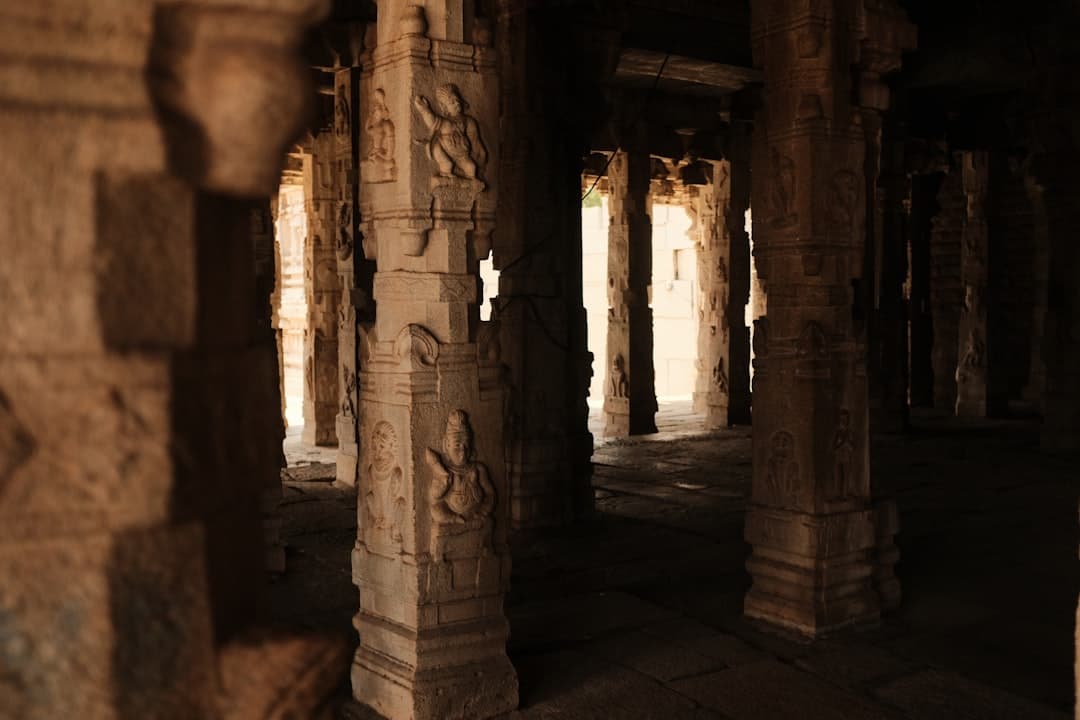
The Temple of Shiva is distinguished by its exquisite carvings, particularly those depicting the deity in various forms. As you approach, notice the detailed bas-reliefs that adorn the entrance, showcasing scenes from Hindu mythology. The play of light and shadow on the carvings enhances their beauty, capturing the viewer's attention and inviting contemplation.
Inside, the temple's atmosphere is imbued with a sense of tranquility. The faint scent of incense wafts through the air, a remnant of the rituals that once took place here. Spend some time seated on the cool stone steps, absorbing the ambiance and allowing the history of the site to wash over you. This moment of pause offers a rare opportunity to connect with the spiritual essence of the Champa civilization.
For those interested in photography, this temple provides an ideal backdrop. With fewer visitors, you can capture the intricate details of the architecture without the distraction of crowds. The interplay between the temple and its natural surroundings creates visually stunning compositions, particularly during the golden hour when the sun begins to set, casting a warm glow over the site.
“The Temple of Shiva encapsulates the spirit of My Son, inviting visitors to engage with its history on a personal level.”
THE CONCISE GUIDE
Social Norms
Respect for the Sacred: My Son is a religious site, and visitors should remain respectful. Speaking softly and refraining from inappropriate behavior is encouraged.
Photography: While photography is allowed, be mindful of local customs and avoid capturing images of worshippers during their rituals.
Dress Codes
Modest Attire: Visitors are advised to wear clothing that covers shoulders and knees. This demonstrates respect for the cultural significance of the site.
Comfortable Footwear: The terrain can be uneven, so comfortable walking shoes are recommended for exploring the sanctuary.
Strategic Timing
Optimal Visiting Hours: Early morning or late afternoon are the best times to visit, avoiding the midday heat and crowds. This allows for a more immersive experience.
Guided Tours: Consider joining a guided tour to gain deeper insights into the history and significance of the temples, enhancing your visit.
Manage your itinerary on trip.express to ensure a seamless journey, allowing for flexibility and spontaneity in your exploration.
THE LITTLE BLACK BOOK
Address: My Son Sanctuary, Duy Phu Commune, Duy Xuyen District, Quang Nam Province, Vietnam
Price: Approximately $5 USD per entry (prices may vary for guided tours)
Opening Hours: 6:00 AM - 5:30 PM daily
As you conclude your visit to My Son Sanctuary, you carry with you not only the memories of its stunning architecture and serene landscapes but also a deeper appreciation for the Champa culture. This day trip serves as a reminder of the enduring legacy of a civilization that, while no longer prominent, continues to inspire awe and reverence in those who venture into its ancient heart.