Where to Find the Best Banh Mi in Vietnam: A Regional Comparison
Trip Express•Mar 9, 2026•5 min read
“Explore the best Banh Mi across Vietnam with our comprehensive guide, highlighting regional variations and expert recommendations for an immersive culinary experience.”
Where to Find the Best Banh Mi in Vietnam: A Regional Comparison
THE HOOK
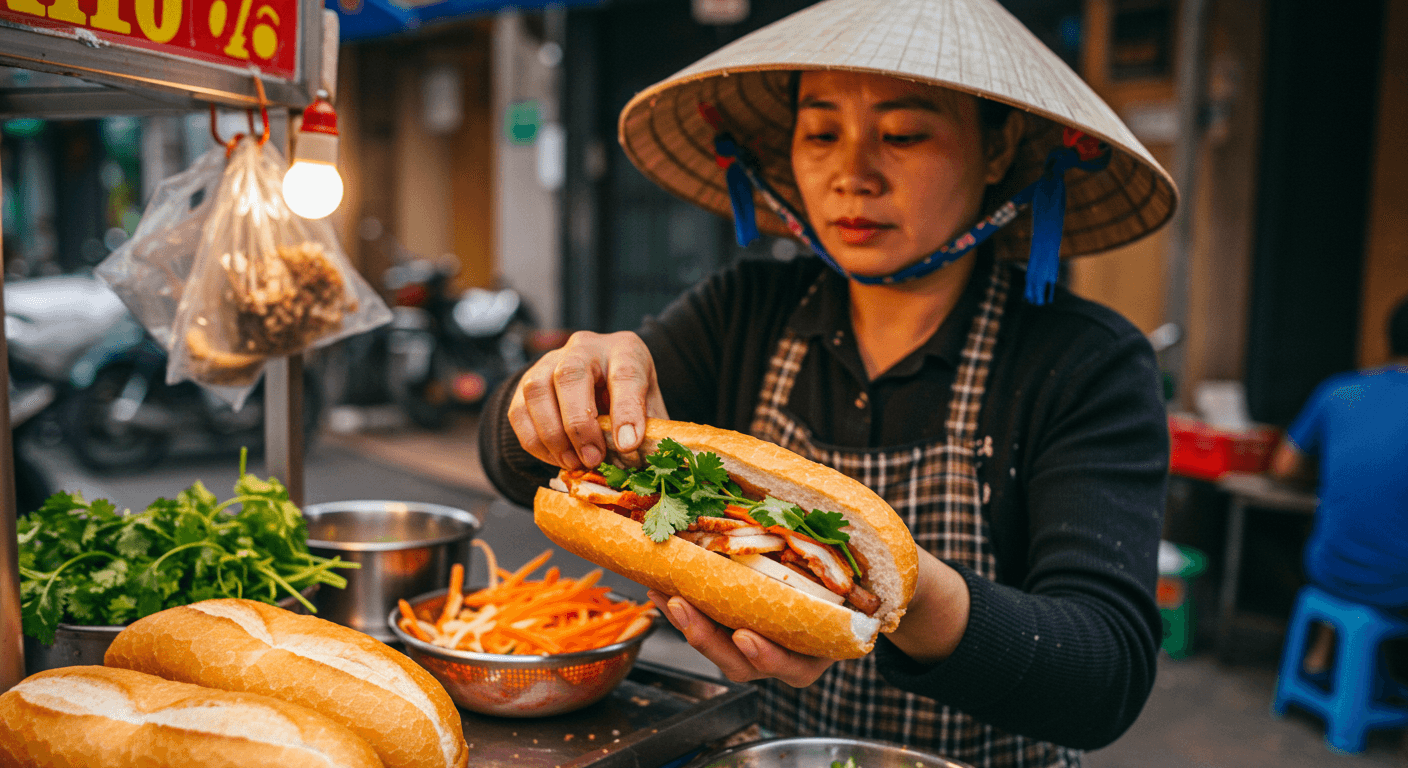
Banh Mi, the quintessential Vietnamese sandwich, is an emblem of culinary fusion that embodies Vietnam's rich history. While many countries have their take on sandwiches, Banh Mi stands apart—not just for its unique blend of flavors but also for the cultural narrative it conveys. The crackling crust of the baguette, a remnant of French colonial influence, cradles an array of fillings that range from savory meats to pickled vegetables, showcasing the ingenuity of Vietnamese cuisine.
In Vietnam, Banh Mi is more than a mere meal; it is a daily ritual, a quick bite on bustling streets, and a symbol of national identity. Each region offers a distinct rendition, shaped by local ingredients, traditions, and culinary techniques, making the search for the best Banh Mi an expedition through Vietnam's diverse gastronomic landscape. This guide explores the finest Banh Mi offerings across the country, revealing where to find the best iterations, and what makes them unique.
THE CONTEXT
The origins of Banh Mi can be traced back to the French colonization of Vietnam in the late 19th century. As baguettes made their way into Vietnamese kitchens, local cooks began to adapt the traditional bread to their tastes. By the mid-20th century, Banh Mi evolved into a street food staple, marrying local flavors with the French technique of baking.
Comments
Highly Anticipated
- Be the first to share your thoughts!
No comments yet
Be the first to share your thoughts with the community!
Leave a Reply
Keep Reading
Recommended Stories
The sandwich typically features a baguette filled with a variety of meats, including pork, chicken, or beef, complemented by fresh herbs, pickled vegetables, and often a spread of mayonnaise or pâté. Beyond its delicious taste, Banh Mi serves as a canvas for regional tastes; in the north, it might be filled with grilled pork and fresh herbs, while in the south, it could feature a more elaborate assembly with fried eggs and an array of sauces. This versatility reflects Vietnam's broader culinary identity, which celebrates local ingredients and traditions while embracing influences from around the globe.
Moreover, Banh Mi is a reflection of Vietnam's socio-economic landscape. Street vendors offer quick, affordable meals for the busy workforce and students, while upscale restaurants elevate the sandwich into a culinary art form. This duality in presentation and perception makes Banh Mi a profound subject for exploration, illustrating how food can transcend mere sustenance and speak to the culture and history of a place.
THE ATMOSPHERE
Imagine wandering through the vibrant streets of urban Vietnam, where the air is filled with the intoxicating aromas of grilled meats and fresh herbs. The atmosphere is electric, with vendors calling out to passersby, each hoping to entice them with the promise of a perfect Banh Mi.
In Ho Chi Minh City, the Banh Mi scene is exemplified by bustling street corners where vendors set up shop in makeshift stalls. Each vendor has their unique approach—some specialize in traditional recipes, while others experiment with modern twists, adding fusion elements such as avocado or unique sauces. The ambiance is casual and unpretentious, with patrons seated on small plastic stools, indulging in their sandwiches while engaging in spirited conversations.
Contrast this with the more serene setting of Hoi An, where the pace of life slows down. Here, the Banh Mi stalls are often tucked into charming alleyways, surrounded by ancient architecture and colorful lanterns. The atmosphere invites travelers to linger, savoring each bite while soaking in the historical ambiance. The service is typically warm and welcoming, with vendors eager to share the stories behind their recipes.
In Hanoi, Banh Mi takes on a more refined character, with upscale eateries offering gourmet interpretations. The interiors boast modern design elements, yet they retain a hint of traditional Vietnamese charm. Patrons are often greeted by attentive staff, who take the time to explain each ingredient and its significance. The level of service elevates the experience, inviting diners to appreciate Banh Mi as both a casual street food and a culinary masterpiece.
"Banh Mi is not just about what goes inside the bread; it’s about the story of Vietnam itself, a blend of influences and innovation."
THE INSIDER'S GEM
For travelers seeking a unique Banh Mi experience, a visit to the renowned Banh Mi Phuong in Hoi An is essential. This establishment is celebrated not only for its extraordinary sandwiches but also for its storied history.
Nestled in a charming alley, Banh Mi Phuong has garnered a loyal following among locals and tourists alike. The secret lies in the meticulous preparation of each sandwich: the baguettes are baked fresh daily, achieving a perfect balance of crispiness and chewiness. The fillings are both generous and diverse, featuring options such as chicken, pork, and a vegetarian variant that is equally satisfying.
The standout feature is the combination of house-made sauces, crafted from family recipes that have been passed down through generations. A spread of rich pâté and a dash of chili sauce elevate the flavor profile, while a medley of fresh herbs and pickled vegetables add layers of texture and taste.
What sets Banh Mi Phuong apart is not just the food but the experience itself. The vibrant décor, adorned with photographs of satisfied customers, creates an inviting atmosphere. The staff, well-versed in the art of Banh Mi, are eager to share their knowledge, making recommendations based on individual preferences.
The best time to visit is during lunch, when the place buzzes with energy. Although it can be busy, the wait is part of the experience; it offers a glimpse into the local lunch rush, where the community gathers to enjoy this beloved dish.
"At Banh Mi Phuong, every bite tells a story, a journey through flavors that connect you to the heart of Hoi An."
THE CONCISE GUIDE
Social Norms
Eating Etiquette: It is common to see patrons standing while eating Banh Mi, particularly at street stalls. However, if you choose to sit, be mindful of sharing tables during peak hours. Politeness and respect for the vendors are paramount.
Language: While many vendors speak basic English, learning a few phrases in Vietnamese can enhance your experience and is often appreciated by locals.
Dress Codes
There is no formal dress code for enjoying Banh Mi; casual attire is perfectly acceptable. However, when dining at upscale establishments, smart casual is recommended.
Strategic Timing
Best Times to Visit: Lunch hours (11 AM - 1 PM) are peak times, particularly in busy urban areas. For a quieter experience, consider going mid-afternoon or just before closing.
Avoiding Crowds: If you're visiting popular spots like Banh Mi Phuong, arriving shortly after they open can help you avoid long lines and enjoy a more relaxed atmosphere.
To explore more about Vietnam's culinary landscape, manage your itinerary effectively on trip.express, ensuring you hit all the must-visit spots for an unforgettable gastronomic journey.
THE LITTLE BLACK BOOK
Banh Mi Phuong
Address: 2B Phan Chu Trinh, Hoi An, Vietnam
Price: Approximately 30,000 VND ($1.30 USD) per sandwich
Opening Hours: 6:30 AM - 9:00 PM daily
In conclusion, the quest for the best Banh Mi in Vietnam is an exploration of the country's rich culinary heritage. Each region offers a unique perspective on this beloved sandwich, making it a delightful endeavor for any discerning traveler. From the bustling streets of Ho Chi Minh City to the tranquil alleys of Hoi An, the variations of Banh Mi are as diverse as the land itself, inviting you to delve deeper into the flavors and stories that define Vietnam.