Visa Services: A Comprehensive Guide to Vietnam’s E-Visa
Trip Express•Mar 9, 2026•5 min read
“Explore Vietnam's e-visa system, a comprehensive guide that highlights the ease of travel authorization, cultural insights, and practical tips for the modern traveler. Discover how to navigate the e-visa application process and immerse yourself in Vietnam's vibrant culture.”
Visa Services: A Comprehensive Guide to Vietnam’s E-Visa
THE HOOK
Navigating the intricate world of international travel requires not just an adventurous spirit but also a keen understanding of visa processes, especially in dynamic destinations like Vietnam. The country has rapidly evolved into one of Southeast Asia's premier travel hotspots, drawing visitors with its rich cultural tapestry, breathtaking landscapes, and burgeoning culinary scene. As of 2023, Vietnam's e-visa system stands as a testament to its commitment to welcoming international travelers with convenience and efficiency. This digital approach simplifies the often cumbersome visa application process, allowing tourists to secure their travel authorization from the comfort of their homes.
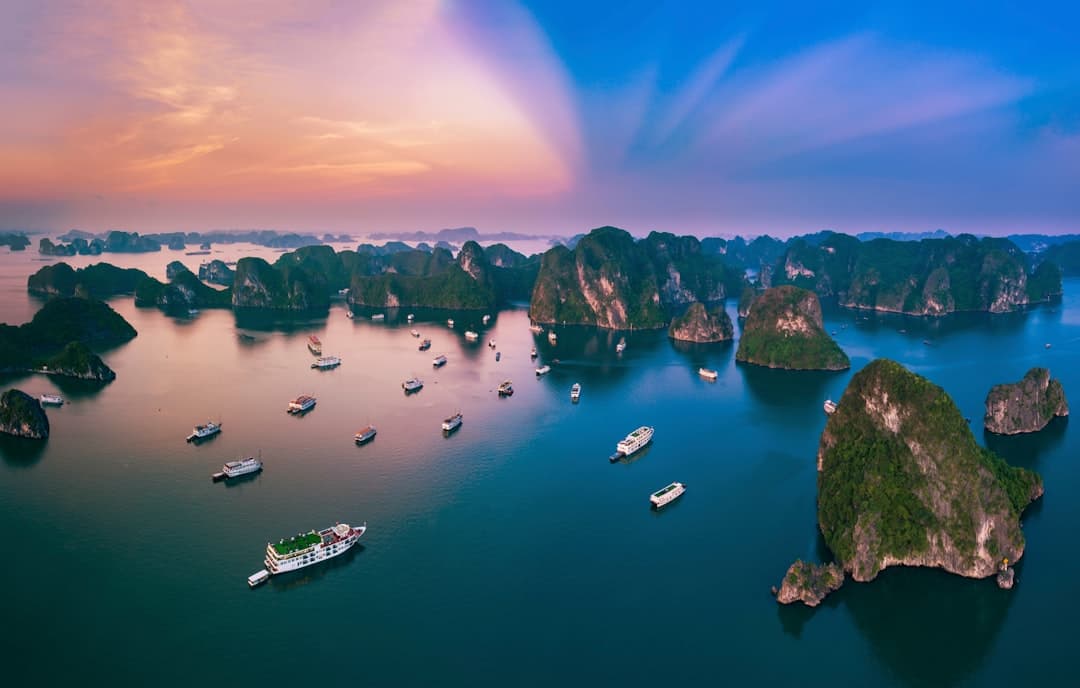
The e-visa program, introduced in 2017 and expanded in 2020, enables citizens from 80 countries to apply online for a single-entry visa valid for up to 30 days. Its user-friendly interface and streamlined process have made it a cornerstone for modern travelers looking to explore Vietnam's vibrant cities and tranquil countryside. Whether you’re drawn to the bustling streets of Hanoi, the historic charm of Hoi An, or the serene beauty of Ha Long Bay, understanding the nuances of the e-visa is essential for a seamless experience.
Comments
Highly Anticipated
- Be the first to share your thoughts!
No comments yet
Be the first to share your thoughts with the community!
Leave a Reply
Keep Reading
Recommended Stories
THE CONTEXT
Vietnam's rich history as a crossroads of civilizations plays a pivotal role in its modern identity. From the ancient kingdoms that flourished along the Red River Delta to the colonial influences of the French and the scars of the Vietnam War, the country is a living museum of human experience. The e-visa initiative is not merely a bureaucratic improvement; it reflects Vietnam’s broader strategy to enhance its global tourism appeal while fostering economic growth through international visitation.
Historically, Vietnam has seen fluctuating tourism waves, heavily impacted by geopolitical changes and natural disasters. However, with the advent of peace and stability in the late 20th century, the country began to emerge as a viable tourist destination. The government recognized that facilitating travel through simplified visa processes could drive significant economic benefits. The e-visa was a logical step forward, aligning with the country's goals to attract a diverse range of visitors and showcase its cultural richness.
Vietnam's culture is as diverse as its landscape, characterized by regional variations in cuisine, language, and traditions. From the legendary pho of the north to the sweet tropical fruits of the south, the culinary landscape is as inviting as its historical monuments. Understanding the visa process gives travelers the freedom to immerse themselves in this vibrant culture, knowing they have the requisite documentation to explore freely.
THE ATMOSPHERE
As you prepare to embark on your journey to Vietnam, the anticipation of what lies ahead is palpable. The e-visa process, while straightforward, sets the stage for an immersive experience. The architecture of Vietnam itself reflects its complex past, with colonial-era buildings juxtaposed against ancient temples and modern skyscrapers. Cities like Hanoi offer a captivating blend of old and new, where the vibrant chaos of street vendors and motorbikes harmonizes with serene lakes and historical sites.
Upon arrival, you will likely be greeted by the lively atmosphere of the airports, designed with both functionality and aesthetics in mind. Noi Bai International Airport in Hanoi and Tan Son Nhat International Airport in Ho Chi Minh City are gateways not just to Vietnam but to the rich experiences that await you. Each terminal is a microcosm of Vietnamese hospitality, characterized by sleek lines and modern amenities that cater to international travelers.
In Vietnam, service is often viewed through the lens of respect and hospitality, with staff trained to embody the principles of “nhà hàng” (restaurant) culture, which emphasizes warmth and welcome. This ethos extends beyond dining; it permeates every interaction, ensuring that as you navigate through your journey, you feel both valued and understood.
The distinct features of Vietnam’s urban and rural areas are equally captivating. When venturing beyond the cities, the breathtaking landscapes of terraced rice fields, lush mountains, and pristine beaches await. The architecture varies dramatically from the French colonial buildings of Ho Chi Minh City to the traditional wooden houses in the Mekong Delta, each telling a story of its own.
Your experience is further enriched by the country’s vibrant art scene, where local craftspeople and artists offer unique insights into Vietnamese culture. Workshops and galleries provide not just a glimpse of local artistry but also an opportunity to engage more deeply with the community.
THE INSIDER'S GEM
While it is tempting to rush through the must-see landmarks, true immersion into Vietnam's culture requires a more nuanced approach. One specific recommendation is to visit a local market in the early morning hours. Markets such as the Ben Thanh Market in Ho Chi Minh City or the Dong Xuan Market in Hanoi are vibrant showcases of Vietnamese life.
Arriving at dawn allows you to witness the hustle and bustle before the crowds descend, providing a unique opportunity to interact with vendors and sample fresh produce and street food. Engage with local sellers, who are often eager to share their stories and culinary secrets. Try the banh mi from a street vendor or the traditional Vietnamese coffee brewed with condensed milk, a perfect accompaniment to the vibrant morning atmosphere.
In addition to the culinary delights, these markets are a treasure trove for unique souvenirs. From handcrafted textiles to intricate lacquerware, you’ll find items that embody the essence of Vietnamese craftsmanship. This experience not only enriches your journey but also supports local economies, aligning with responsible travel practices.
THE CONCISE GUIDE
Social Norms
Understanding Vietnamese social norms can significantly enhance your travel experience. It is customary to greet with a slight bow or nod, showing respect. When dining, it is polite to wait for the eldest person to begin eating before you start.
Dress Codes
While Vietnam is generally liberal in terms of dress, modesty is appreciated, especially in rural areas and religious sites. Lightweight, breathable fabrics are ideal for the tropical climate, and comfortable footwear is essential for exploring the bustling streets and rural landscapes.
Strategic Timing
Vietnam experiences peak tourist seasons, particularly during the Tết (Lunar New Year) and summer months. For a more tranquil experience, consider visiting during the shoulder seasons (late September to early November and February to April). This timing allows for milder weather and fewer crowds, enabling a deeper connection with the local culture.
THE LITTLE BLACK BOOK
Address: Apply for the e-visa through the official Vietnam Immigration website.
Price: Approximately $25 USD for the e-visa application fee.
Opening Hours: N/A (Online application available 24/7).
In conclusion, Vietnam's e-visa system not only serves as a gateway to explore its rich history and culture but also reflects the country's commitment to facilitating international travel. For those looking to manage their itinerary effectively, platforms like trip.express can provide invaluable assistance in planning your journey, ensuring that your Vietnamese adventure is as seamless as it is enriching.