Vietnam’s Newest Expressways: Saving Time on Your Road Trip
Trip Express•Mar 9, 2026•5 min read
“Explore Vietnam's newest expressways, a transformative journey that enhances travel efficiency while revealing the country's rich culture and stunning landscapes. Discover insider tips for an immersive road trip experience.”
Vietnam’s Newest Expressways: Saving Time on Your Road Trip
The Hook
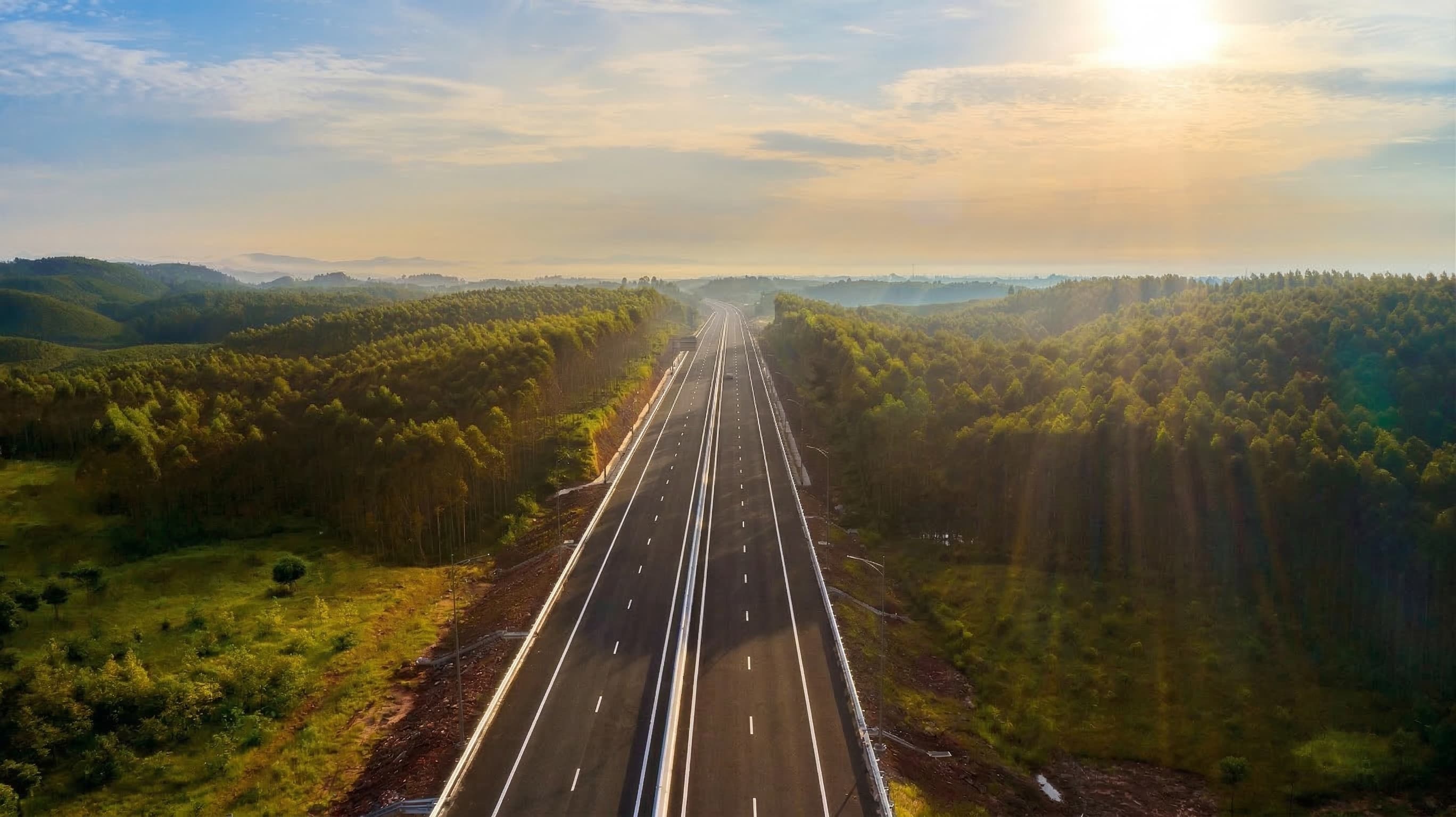
Vietnam's landscapes are as dynamic as its expressways, which have recently transformed the travel experience across the country. These modern highways, built to connect major cities and scenic regions, are not merely routes; they are lifelines that unveil the rich tapestry of Vietnam’s culture, history, and natural beauty. With the completion of several new expressways, including the North-South Expressway and the Central Region Expressway, road trips in Vietnam now offer an unprecedented blend of efficiency and exploration. Travelers can traverse long distances in significantly reduced time, allowing more opportunities to experience the country’s diverse offerings. The new expressways also encourage a more intimate connection with the regions they traverse, from the verdant rice paddies of the Mekong Delta to the dramatic karst landscapes of Ha Long Bay. This seamless travel experience beckons sophisticated travelers to unlock Vietnam's treasures with ease and comfort, redefining what it means to explore this captivating country.
The Context
To appreciate the significance of Vietnam's newest expressways, one must understand the historical and cultural context that has shaped the nation. Vietnam, with a history spanning thousands of years, has evolved from a colonial outpost to a vibrant and rapidly developing economy. The intricate network of roads has long been a reflection of the country’s socio-political changes. In the early 20th century, the French colonial government laid the groundwork for modern infrastructure, but it was only after the reunification in 1975 that the focus shifted towards developing a more comprehensive transportation network.
Comments
Highly Anticipated
- Be the first to share your thoughts!
No comments yet
Be the first to share your thoughts with the community!
Leave a Reply
Keep Reading
Recommended Stories
The recent surge in expressway construction is part of Vietnam's broader strategy to enhance its economic development and improve connectivity between urban and rural areas. These expressways not only facilitate trade and tourism but also embody the country's aspirations for modernization. As travelers navigate these sleek routes, they can witness a juxtaposition of the past and the present; bustling markets, ancient temples, and serene pagodas dot the landscape, offering a glimpse into the rich cultural heritage that remains deeply rooted in the Vietnamese psyche.
The expressways are also a response to the increasing number of tourists flocking to Vietnam, drawn by its stunning landscapes, delectable cuisine, and warm hospitality. The ability to travel swiftly between major cities and attractions means that visitors can now experience the best of both worlds: the hustle of urban centers like Ho Chi Minh City and Hanoi, alongside the tranquil allure of places like Hoi An and Sapa. With this improved infrastructure, the journey becomes as enriching as the destination.
The Atmosphere
Driving along Vietnam's new expressways is a sensory experience that encapsulates the essence of this vibrant country. The architectural design of the highways reflects a blend of functionality and aesthetics. Wide lanes, smooth pavements, and modern toll booths create an environment conducive to efficient travel. Each segment of the expressway is punctuated by scenic viewpoints, rest areas, and local eateries that invite travelers to pause and indulge in the region’s culinary delights.
As you embark on your road trip, the atmosphere shifts dramatically from the urban sprawl to the lush countryside. The expressways traverse through an ever-changing landscape, where emerald rice fields stretch endlessly, punctuated by traditional wooden houses and the occasional water buffalo. The sight of farmers tending to their crops conveys a sense of simplicity and tranquility, contrasting sharply with the bustling energy of the cities.
The service along these expressways is designed to ensure a comfortable journey. Rest stops are equipped with clean facilities, local food vendors offering authentic dishes, and shops selling regional specialties. Travelers can enjoy a bowl of pho or a banh mi while taking in the views of the surrounding countryside. Each stop becomes not just a break in the journey but an opportunity to engage with local culture and flavors.
Nighttime travel on the expressways reveals a different side of Vietnam. The roads are illuminated, and the quiet hum of the engine creates a meditative atmosphere. As the moon rises over the hills, the reflection on the rivers creates an ethereal glow, inviting travelers to contemplate the beauty of this country. This tranquil experience is further enhanced by the knowledge that the expressways have made it easier than ever to explore Vietnam’s hidden corners.
The Insider's Gem
For a truly immersive experience, consider a detour to the coastal town of Quy Nhon, located along the new North-South Expressway. This destination is often overlooked by travelers in favor of more popular spots like Da Nang and Nha Trang, yet it offers a unique blend of pristine beaches and rich history. The best time to visit Quy Nhon is during the early morning when the sun rises over the ocean, casting a golden hue across the sandy shores.
One specific recommendation is to visit Ky Co Beach, known for its stunning turquoise waters and secluded atmosphere. Accessible via a short boat ride, this beach offers a perfect backdrop for relaxation and exploration. The soft, white sands invite you to lounge, while the surrounding hills provide ample opportunities for hiking and photography. As you wander along the shore, you may encounter local fishermen preparing their nets, a scene that epitomizes the simplicity and charm of coastal life.
In terms of cuisine, do not miss the opportunity to sample local seafood dishes. One standout is the grilled squid, marinated with traditional spices and grilled to perfection. Enjoying this dish while overlooking the ocean encapsulates the essence of the Vietnamese coastal experience. For a more immersive encounter, consider dining at a beachside shack where the catch of the day is served fresh, allowing you to connect with the local culture.
The Concise Guide
Social Norms
Greetings: A respectful “xin chao” is customary. Handshakes are common in formal settings, while a nod or smile suffices in casual encounters.
Dining Etiquette: Wait for the host to begin before starting your meal. It is polite to try a bit of every dish offered.
Dress Codes
Casual Attire: Comfortable clothing is suitable for daytime activities. Lightweight fabrics are recommended due to the warm climate.
Evening Wear: Smart casual attire is advisable for dining in upscale restaurants and hotels.
Strategic Timing
Best Time to Travel: The dry season (November to April) offers the most pleasant weather for road trips. Avoid national holidays for a smoother journey.
Optimal Travel Hours: Early mornings or late afternoons are ideal for minimizing traffic congestion, especially in urban areas.
The Little Black Book
Quy Nhon: A coastal town along the North-South Expressway
Ky Co Beach: A serene beach perfect for relaxation
Grilled Squid: Signature local dish
Address: Quy Nhon, Binh Dinh Province, Vietnam
Price: Varies by establishment, seafood dishes typically range from $5-$15
Opening Hours: Beaches are open year-round; restaurants vary, typically from 7 AM to 10 PM
Embarking on a road trip through Vietnam’s newfound expressways not only saves time but also enriches the travel experience, allowing for connections with diverse cultures and landscapes. For planning your journey, consider utilizing trip.express to manage your itinerary efficiently and discover the best stops along the way.