The Ultimate Guide to Trekking in Pu Luong Nature Reserve
Trip Express•Mar 9, 2026•5 min read
“Explore the stunning landscapes and rich culture of Pu Luong Nature Reserve. This ultimate guide offers insights into trekking, local traditions, and recommendations for a remarkable journey.”
The Ultimate Guide to Trekking in Pu Luong Nature Reserve
THE HOOK
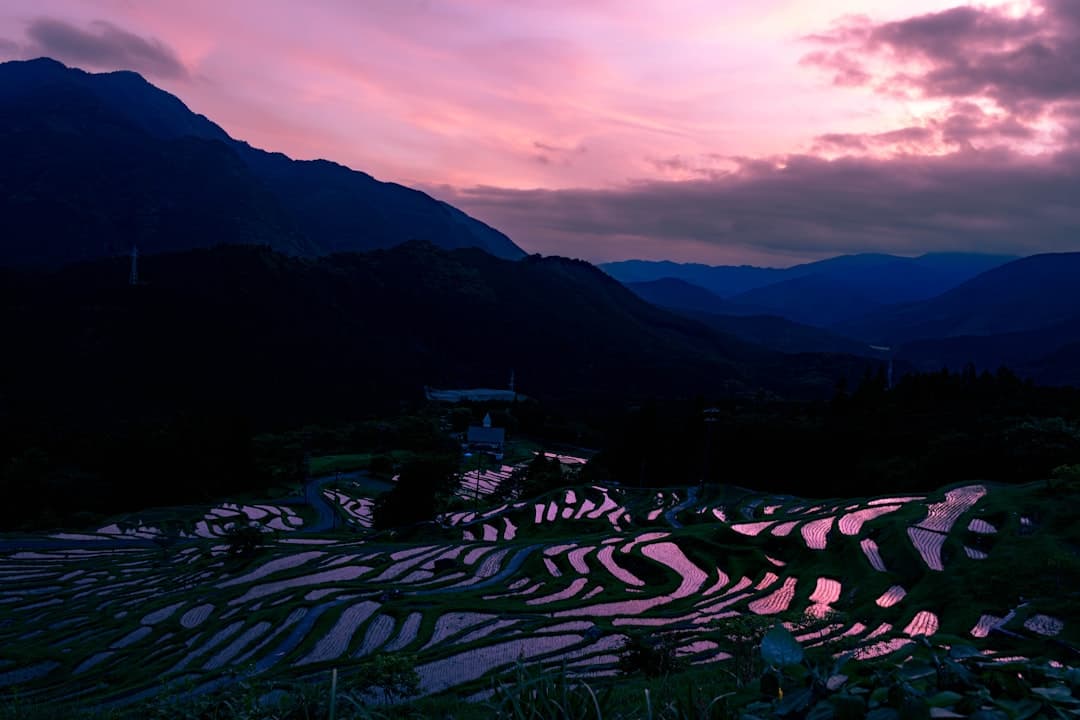
Nestled in the northern reaches of Vietnam, Pu Luong Nature Reserve is a realm where the mountains embrace the clouds, and the verdant rice terraces cascade down steep slopes like nature's own amphitheater. This region, relatively untouched by mass tourism, offers a glimpse into a harmonious existence between the land and its inhabitants. The reserve is not merely a destination; it is an intricate tapestry of biodiversity, cultural heritage, and stunning landscapes, making it an ideal location for trekking enthusiasts seeking both adventure and serenity. The charm of Pu Luong lies in its authenticity—each step along the trails reveals the daily lives of the local Thai people, their traditional stilt houses dotting the landscape, and their age-old agricultural practices still thriving in a modern world.
As you traverse the winding paths, you will encounter not just breathtaking vistas but stories etched in the soil and the air, where the whispers of the past echo against the backdrop of lush greenery. The reserve covers an area of around 17,662 hectares, comprised of limestone mountains, dense forests, and terraced fields, offering a diverse range of trekking experiences suitable for various skill levels. The richness of wildlife, including endemic species and rare flora, enhances the allure of this natural sanctuary, making it a prime destination for those who value both adventure and ecological preservation.
THE CONTEXT
Pu Luong Nature Reserve was established in 1999 and is the first nature reserve in Thanh Hoa Province, designed to protect the unique ecosystem and the cultural heritage of the local ethnic communities. The reserve is home to the Thai ethnic group, whose traditions and lifestyles have remained largely unchanged for centuries. Their connection to the land is profound, seen in their sustainable farming practices and the intricate weaving of textiles that reflect their identity.
Share this story
Comments
Highly Anticipated
- Be the first to share your thoughts!
No comments yet
Be the first to share your thoughts with the community!
Leave a Reply
Keep Reading
Recommended Stories
In addition to the Thai, several other ethnic minorities reside within and around the reserve, contributing to a rich cultural mosaic that can be explored through local markets and festivals. The area is renowned for its agricultural practices, especially the cultivation of rice, which takes place in terraced fields that have been meticulously carved into the mountainsides over generations. The best time to visit is from May to October, during the rice-growing season, when the terraces transform into vibrant shades of green and gold, creating a mesmerizing landscape that captivates travelers.
Beyond its scenic beauty, Pu Luong is steeped in history. The local legends speak of ancient kings and mythical creatures, tying the present to a time when the mountains were revered as sacred. This cultural depth enriches the trekking experience, as guides often share stories that connect visitors to the landscape, imbuing each hike with a sense of purpose and meaning.
THE ATMOSPHERE
The atmosphere of Pu Luong is defined by its stunning natural beauty and the warmth of its people. As you step into the reserve, the air is crisp and fragrant with the scent of pine and wildflowers, inviting you to explore deeper. The trails are lined with wild orchids and lush ferns, creating a vibrant tapestry of colors that shift with the sunlight. The serenity of the environment is punctuated by the distant sounds of water cascading in streams and the gentle rustling of leaves, providing a natural soundtrack to your journey.
Accommodations in Pu Luong range from simple homestays in local villages to more luxurious lodges that blend seamlessly with the landscape. Each option reflects a commitment to eco-tourism, with structures designed to minimize environmental impact while maximizing comfort. For instance, the Pu Luong Retreat offers stunning views of the rice terraces from its infinity pool, where you can unwind after a day of trekking. The architecture is a modern interpretation of traditional Thai houses, featuring bamboo and wood, harmonizing with the surrounding nature.
Service in Pu Luong is characterized by the genuine hospitality of the local people. Whether you are dining on local delicacies or sharing stories with your hosts, the interactions are heartfelt and enriching. The dining experience is particularly notable, as you can savor authentic Thai cuisine made from fresh, locally sourced ingredients. Meals are often communal, fostering a sense of connection among guests and locals alike.
The evenings in Pu Luong are equally enchanting, with the setting sun casting a golden hue over the terraces. As night falls, the stars emerge in brilliant clarity, unmarred by city lights, allowing for an unparalleled stargazing experience. This tranquility is an invitation to reflect on the day's adventures, perhaps with a local rice wine in hand, as you listen to the sounds of the night.
"In Pu Luong, every trek tells a story, where the trails are not just paths but connections to the land and its people."
THE INSIDER'S GEM
Among the many trails in Pu Luong, the trek to the viewpoint at Ban Hieu is a standout experience that encapsulates the essence of this region. This hike is not just about reaching a destination but immersing yourself in the beauty of the environment along the way. Starting early in the morning, the journey begins with a gentle ascent through lush forests, where the air is filled with the sounds of birds and the rustling of leaves.
As you navigate the path, take the time to appreciate the diverse flora and fauna that call this reserve home. Look for the colorful butterflies flitting between the flowers and listen for the calls of the native birds. The trek is moderately challenging, making it accessible for most fitness levels, yet it rewards adventurers with panoramic views of the rice terraces and the surrounding mountains that are nothing short of breathtaking.
Upon reaching Ban Hieu viewpoint, you are greeted with an expansive vista that stretches into the horizon. The sight of the terraced fields cascading down the mountain slopes, bathed in the soft light of dawn, is a moment of pure magic. It’s the perfect spot to pause, breathe, and reflect on the journey, as the early morning mist dances over the landscape, creating a mystical ambiance.
The return journey is equally rewarding, allowing for different perspectives of the scenery you passed earlier. As you descend, consider stopping at one of the local villages to interact with the community. Here, you can witness traditional weaving techniques or taste homemade snacks, enriching your understanding of the culture that thrives in this remote corner of Vietnam.
"The trek to Ban Hieu is not just a hike; it’s a journey into the heart of Pu Luong’s spirit."
THE CONCISE GUIDE
Social Norms: Respect the local customs by greeting villagers with a smile and a nod. It’s customary to ask for permission before taking photographs of people, especially in rural areas.
Dress Codes: Lightweight, breathable clothing is advisable due to the humid climate. When visiting villages, opt for modest attire to show respect for local traditions. Sturdy trekking shoes are essential for navigating the uneven terrain.
Strategic Timing: The best time to visit is during the rice-growing season from May to October, when the landscape is most vibrant. Early mornings are ideal for trekking to avoid the midday heat and to catch stunning sunrises.
Make use of trip.express to manage your itinerary effectively, ensuring that you make the most of your time in this captivating region.
THE LITTLE BLACK BOOK
Address: Pu Luong Nature Reserve, Thanh Hoa Province, Vietnam
Price: Trekking tours start from approximately $30 per person, including guides and meals.
Opening Hours: Open year-round; however, the peak trekking season is from May to October.
In Pu Luong, every step taken on the trails offers a connection to nature and a deeper understanding of the rich cultural tapestry that defines this untouched paradise. The experience is not merely about witnessing beauty but immersing yourself in the stories, traditions, and warmth of the people who call this place home. Let Pu Luong Nature Reserve be your next adventure, where the landscapes are as welcoming as the hearts of its inhabitants.