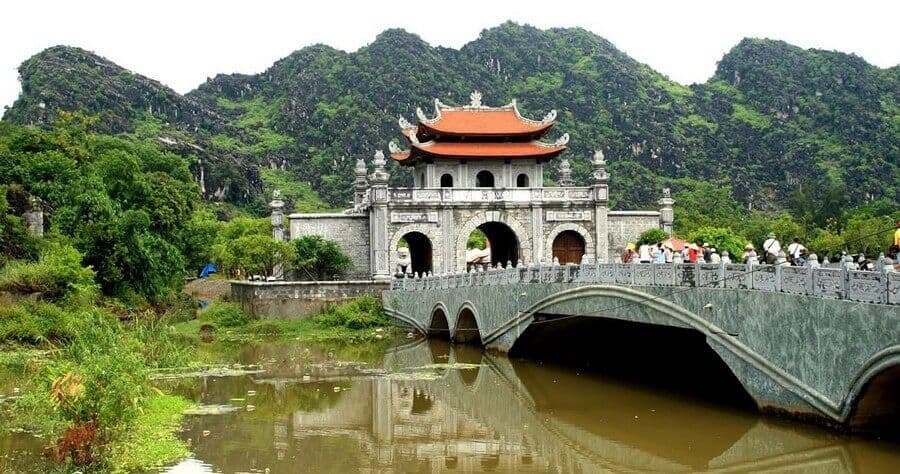
“Discover the ancient capital of Hoa Lu, Vietnam's historical gem. Explore its rich heritage, stunning architecture, and serene landscapes, offering a unique perspective on the country's past. A sophisticated travel guide to Hoa Lu awaits.”
Exploring the Ancient Capital of Hoa Lu
The Hook
Nestled within the verdant valleys of northern Vietnam lies Hoa Lu, a site that served as the capital of the country during the 10th century. What sets Hoa Lu apart is not merely its historical significance but its stunning juxtaposition of monumental architecture against a backdrop of towering limestone karsts. This ancient capital is often overshadowed by its more famous counterpart, Hanoi, yet it offers an intimate glimpse into Vietnam’s storied past, wrapped in a landscape that feels untouched by time. As you traverse its grounds, the echoes of emperors and battles come alive, merging the past with the present.
Visitors are drawn not only by the remnants of its royal heritage but also by the tranquility that envelops the site. Hoa Lu stands as a testament to resilience; its temples and pagodas reflect the craftsmanship of ancient artisans, while its serene surroundings invite contemplation. Here, the air is thick with stories of dynasties, and every stone whispers secrets of a bygone era. For the sophisticated traveler, Hoa Lu represents an opportunity to engage deeply with Vietnam’s cultural roots, away from the bustling streets of modern cities.
The Context
Hoa Lu was established as the capital of the Dinh Dynasty in 968 AD, marking a pivotal moment in Vietnam's history as it transitioned from fragmented tribal leadership to a centralized state. The choice of location was strategic; the surrounding mountains provided natural fortification against invasions while the fertile lands ensured sustenance for its inhabitants. The city flourished until the Ly Dynasty moved the capital to Thang Long (modern-day Hanoi) in 1010, yet the legacy of Hoa Lu endures in its architectural marvels and historical significance.
Share this story
Comments
Highly Anticipated
- Be the first to share your thoughts!
No comments yet
Be the first to share your thoughts with the community!
Leave a Reply
Keep Reading
Recommended Stories
The remnants of Hoa Lu reveal a plethora of cultural influences, reflective of the dynasties that ruled. The two main temples, dedicated to Emperor Dinh Tien Hoang and Emperor Le Dai Hanh, showcase intricate stone carvings and wooden structures that embody the aesthetic principles of ancient Vietnamese architecture. The blend of Confucian and Buddhist elements further highlights the spiritual depth of this site.
As you wander through the temple grounds, you might feel the weight of history pressing down—a palpable reminder of the struggles faced by those who came before. The area is not just a collection of ruins; it is a living museum where rituals continue, preserving the essence of Vietnamese heritage. Festivals held here attract locals and travelers alike, offering a unique insight into the customs and traditions that have persisted through centuries.
The Atmosphere
Upon entering Hoa Lu, a sense of reverence permeates the air. The approach is framed by lush greenery and the occasional burst of color from tropical flowers, creating a serene pathway that leads to the historical precincts. The architecture of the temples is striking; each structure is meticulously crafted, with ornate roofs and detailed carvings that hint at the skill of the artisans who built them. The interplay of light and shadow across the stone facades creates a dynamic atmosphere, inviting visitors to pause and reflect.
The temples themselves are adorned with intricate sculptures, including dragons and phoenixes, symbols of power and prosperity. As you step inside, the scent of incense engulfs you, mingling with the soft sounds of prayer and contemplation. The interior spaces are designed for quiet reflection, allowing you to immerse yourself fully in the spiritual ambiance. It is not uncommon to see locals lighting incense and offering prayers, an authentic display of devotion that enhances the overall experience.
Surrounding the temples, the landscape is equally captivating. Towering limestone mountains rise abruptly from the earth, their rugged features softened by the verdant foliage that clings to their sides. A gentle river meanders through the valley, reflecting the stunning cliffs above, creating a picturesque scene that feels almost ethereal. This natural beauty provides a perfect counterpoint to the historical architecture, emphasizing the harmony between human endeavor and the environment.
As you explore further, consider taking a leisurely bicycle ride through the surrounding countryside. The quiet lanes wind through rice paddies and small villages, offering glimpses of rural life in Vietnam. Here, the pace slows, and you can engage with local farmers and artisans, gaining a deeper appreciation for the culture that thrives outside the historic sites. The gentle rhythm of life in this region serves as a reminder of the simplicity and beauty that can be found away from the frenetic energy of urban centers.
The Insider's Gem
Among the many offerings of Hoa Lu, one experience stands out: the chance to witness the sunrise over the ancient temples. Arriving before dawn allows you to immerse yourself in a moment of tranquility, as the first light of day breaks over the limestone cliffs, casting a golden hue on the stone structures. This ethereal experience, free from the usual crowds, provides a unique opportunity for reflection and photography.
The quietude of the morning is only interrupted by the soft sounds of nature waking up. Birds begin to chirp, and the gentle rustle of leaves accompanies the changing light. Standing before the temple of Dinh Tien Hoang, you may find yourself contemplating the weight of history that this site bears. The stillness invites introspection, allowing you to connect with the essence of the place.
For those seeking a deeper understanding of the cultural significance of Hoa Lu, consider arranging for a private guide. A knowledgeable local can share insights into the stories behind the temples, enhancing your appreciation for the artistry and spiritual practices observed here. Engaging in conversation with a guide can also reveal lesser-known facts and anecdotes that enrich your visit.
As the sun rises higher, the atmosphere shifts. The play of light across the stone creates a mesmerizing visual experience, ideal for capturing stunning photographs. This is when the true beauty of Hoa Lu comes alive, and you can appreciate the intricate details of the architecture, from the carvings to the traditional roof styles.
To extend your experience, plan a visit to the nearby Tam Coc or Trang An, where you can take a traditional boat ride through the stunning karst landscapes. This excursion complements your exploration of Hoa Lu, allowing you to appreciate the natural beauty that surrounds these historical sites.
The Concise Guide
Social Norms
When visiting Hoa Lu, it is essential to show respect for the cultural and spiritual significance of the sites. Dress modestly, particularly when entering temple grounds. It is customary to remove shoes before entering worship areas, so be prepared for this practice.
Dress Codes
Light, breathable clothing is recommended due to the warm climate. Opt for clothes that cover your shoulders and knees out of respect for local customs. Comfortable footwear is advisable, especially if you plan to explore the surrounding countryside.
Strategic Timing
To experience Hoa Lu at its most tranquil, visit early in the morning or late afternoon. These times not only provide beautiful lighting for photography but also allow for a more personal connection with the site, as you can avoid the peak tourist crowds. Additionally, consider visiting during the week to further enhance your experience.
The Little Black Book
Address: Hoa Lu Ancient Capital, Ninh Binh Province, Vietnam
Price: Entry fees are approximately 20,000 VND (around 1 USD). Guided tours may vary.
Opening Hours: Daily from 7:30 AM to 5:30 PM
For a seamless travel experience, manage your itinerary and bookings through trip.express, ensuring you maximize your time exploring the captivating landscapes and rich history of Hoa Lu. This ancient capital is not just a destination; it is a journey into the heart of Vietnam's legacy, waiting to be explored.