Emergency Contacts: A Handy List for Every Traveler in Vietnam | Trip Express
Emergency Contacts: A Handy List for Every Traveler in Vietnam
Trip Express•Mar 9, 2026•5 min read
“Prepare for your journey in Vietnam with this comprehensive guide to emergency contacts, social norms, and essential recommendations for travelers. Discover how to navigate the healthcare landscape and enjoy a seamless travel experience.”
Emergency Contacts: A Handy List for Every Traveler in Vietnam
The Hook
Vietnam is a land where the past and present exist in a delicate balance, a vibrant tapestry of history, culture, and natural beauty. The country’s rich heritage is evident in its bustling cities, serene landscapes, and the warm hospitality of its people. However, as with any travel destination, understanding local nuances and preparation is vital for a seamless experience. Among the many facets of travel, having access to emergency contacts is essential. Whether you face a health concern, a logistical hiccup, or an unexpected travel disruption, knowing whom to call in Vietnam can turn a potential crisis into a manageable situation. The complexity of Vietnam's healthcare system, coupled with the array of services available, can be daunting for travelers. This guide provides an invaluable resource to ensure you're well-prepared for any eventuality.
The Context
Vietnam's history is as dynamic and multifaceted as its landscapes. From its ancient civilizations and imperial dynasties to its colonial past and modern progress, the country has undergone profound transformations. Each city tells a story, from the ancient streets of Hanoi, where French colonial architecture meets vibrant street food culture, to the bustling markets of Ho Chi Minh City, where the energy is palpable.
Comments
Highly Anticipated
- Be the first to share your thoughts!
No comments yet
Be the first to share your thoughts with the community!
Leave a Reply
Keep Reading
Recommended Stories
The people of Vietnam are known for their resilience and resourcefulness, traits honed through centuries of adversity. This cultural backdrop shapes the local approach to hospitality and service, which is often characterized by warmth and a willingness to help, especially in times of need.
Understanding the local context is crucial when navigating emergencies. While Vietnam boasts an impressive array of healthcare facilities and services, the quality can vary significantly. Major cities like Hanoi and Ho Chi Minh City have reputable hospitals equipped to handle various medical needs, but rural areas may have limited access. Additionally, language barriers may pose challenges, making it essential to have contact numbers for English-speaking medical professionals or international clinics readily available. As you prepare for your journey, consider how this historical and cultural framework influences your travel experience, particularly in emergencies.
The Atmosphere
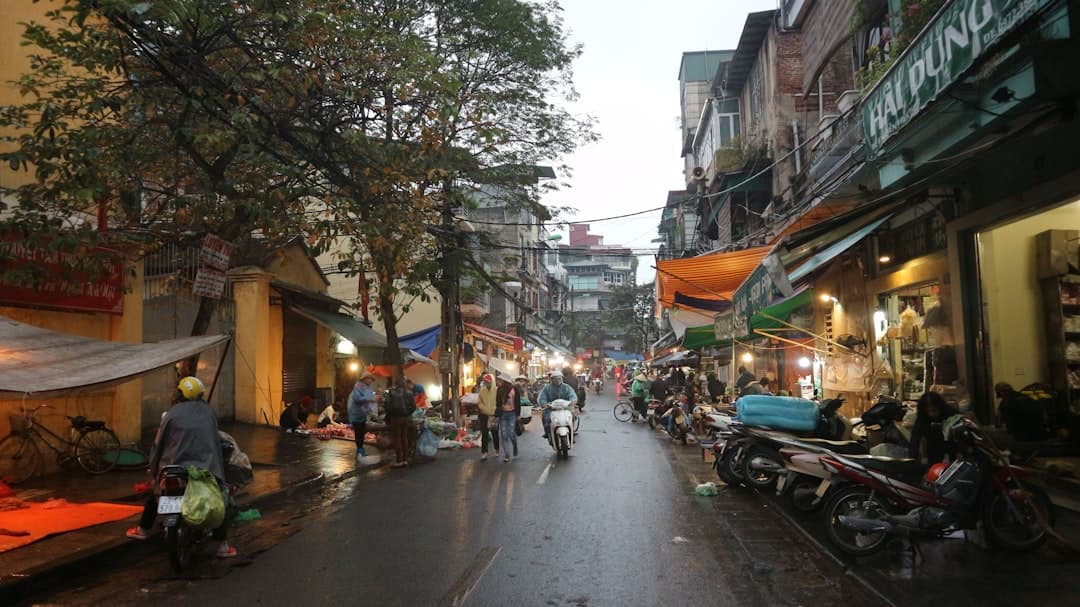
Upon arrival in Vietnam, the atmosphere can be overwhelming yet exhilarating. The vibrant energy of the streets, filled with the sounds of motorbikes and the aroma of street food, sets the stage for a unique travel experience. The architecture, ranging from ancient temples to modern skyscrapers, reflects the country's diverse heritage.
In urban centers, the juxtaposition of old and new is striking. In Hanoi, the Old Quarter is a labyrinth of narrow streets, where centuries-old architecture coexists with contemporary cafés and boutiques. The iconic Hoan Kiem Lake offers a serene escape amidst the urban hustle, its calm waters reflecting the picturesque Ngoc Son Temple. Here, you might find yourself sitting quietly, contemplating the rhythm of life around you.
Conversely, Ho Chi Minh City showcases a more frenetic pace. The Saigon Opera House, a vestige of French colonial architecture, stands in stark contrast to the sleek towers of modernity that pierce the skyline. The city’s bustling markets, such as Ben Thanh, are a sensory overload, with merchants hawking their goods and street vendors serving delicious local fare.
Service excellence in Vietnam often goes beyond mere transactions; it reflects a deep-seated cultural ethos. In hotels, the staff is generally attentive and eager to assist, embodying the local hospitality that prioritizes guest comfort. However, in times of emergency, this spirit can be particularly beneficial. Knowing the right contacts and how to approach various situations can enhance your experience and ensure a swift resolution to any issues that arise.
The Insider's Gem
When considering emergency contacts in Vietnam, one standout recommendation is the International SOS clinic, particularly in major cities. Their facility in Ho Chi Minh City is not just a medical center; it embodies a commitment to high-quality care tailored to expatriates and travelers. The clinic provides a range of services, from routine medical care to emergency response, all delivered in a multilingual environment.
The facility is equipped with modern technology and staffed by experienced professionals, including English-speaking physicians who understand the specific needs of international visitors.
Imagine finding yourself in an unfortunate situation, such as a minor injury while exploring the Cu Chi Tunnels or a sudden illness during your culinary adventure in Hanoi. Having the International SOS contact saved in your phone can provide peace of mind.
Moreover, the clinic’s proactive approach includes offering advice on preventive care and travel health tips. Their commitment to safety extends beyond emergency care, making them a valuable resource for international travelers navigating Vietnam's healthcare landscape. Ensure you have their contact information at hand—it's a wise investment in your well-being during your travels.
The Concise Guide
Social Norms
Vietnamese culture is deeply rooted in respect and politeness. When interacting with locals, a warm smile and a simple greeting can go a long way. Addressing individuals using their titles or proper forms of respect is customary. Understanding the nuances of these social norms can enhance interactions and foster goodwill.
Dress Codes
While Vietnam is generally casual, modesty is appreciated, especially when visiting religious sites. Lightweight clothing is advisable due to the tropical climate, but be mindful of covering shoulders and knees in temples and pagodas.
Strategic Timing
Timing can significantly affect your experience. For emergency services, understanding peak hours can be crucial. Local businesses may operate on different schedules, with many closing during midday for a break. Plan your visits accordingly, particularly for pharmacies and clinics, to ensure you receive timely assistance when needed.
The Little Black Book
International SOS Clinic
Address: 9th Floor, Saigon Centre, 65 Le Loi Street, Ben Nghe Ward, District 1, Ho Chi Minh City
Price: Consultation fees vary; approximately $70-$150 depending on services
Opening Hours: 24/7 for emergencies, regular consultations from 8 AM to 5 PM
Local Emergency Numbers:
Ambulance: 115
Fire Services: 114
Police: 113
Pharmacies:
Pharmacy Number 1: 24-hour pharmacy located at 123 Nguyen Thi Minh Khai Street, District 3, Ho Chi Minh City
Pharmacy Number 2: Local pharmacy in Hanoi near the Old Quarter, recommended for immediate needs
For an organized and stress-free trip, consider using trip.express to manage your itinerary. This platform allows you to keep essential contacts and travel documents accessible at your fingertips, ensuring you can focus on enjoying your time in Vietnam.