Craft Village Tours: Discovering Pottery and Silk Making in Hanoi
Trip Express•Mar 9, 2026•5 min read
“Explore the rich heritage of pottery and silk making in Hanoi's craft villages. Engage with artisans, learn traditional techniques, and discover Vietnam's cultural roots through immersive experiences. A guide to Bat Trang and Van Phuc awaits the discerning traveler.”
Craft Village Tours: Discovering Pottery and Silk Making in Hanoi
The Hook
Hanoi, the vibrant capital of Vietnam, is often celebrated for its bustling streets, rich history, and delightful cuisine. However, beyond the urban landscape lies a tapestry of traditional craft villages that embody the country’s artisanal heritage. Among these, the pottery village of Bat Trang and the silk weaving village of Van Phuc stand out as quintessential experiences for those seeking authenticity and connection in their travels. These villages not only showcase age-old techniques but also provide an intimate glimpse into the lives of artisans who have dedicated generations to perfecting their crafts. Visitors can engage in hands-on activities, learning from masters who share their skills and stories, thus creating a rich, immersive experience that transcends the typical tourist itinerary.
This exploration of local craftsmanship is not just about observing; it is about participation, understanding, and appreciation. As you step into the world of pottery and silk making, you’ll find that each piece tells a story, each technique has a history, and each artisan embodies the spirit of their trade. Craft Village Tours in Hanoi offer more than just a day trip; they provide a unique opportunity to connect with Vietnam’s cultural roots, making it a must for discerning travelers.
Keep Reading
Recommended Stories
The Context
The craftsmanship of Bat Trang and Van Phuc is deeply embedded in Vietnam's history, tracing back centuries and evolving through various dynasties. Bat Trang, renowned for its vibrant ceramics, dates back to the 14th century during the Ly Dynasty. The village's location along the Red River has been pivotal for its access to raw materials, such as clay, which is abundant in the region. Artisans in Bat Trang have developed unique glazes and techniques. The distinctive blue-and-white porcelain, influenced by Chinese styles, is a hallmark of the village, yet each artisan adds their own flair to the craft.
Similarly, Van Phuc has a storied past that complements its reputation as a center for silk weaving. Originating over a thousand years ago, the village became famous during the Ly and Tran dynasties for producing silk for royalty. The meticulous process of weaving silk, from mulberry cultivation to dyeing and weaving, reflects not only skill but also a cultural significance that ties generations of families together. The techniques have been passed down through the years, with many artisans still using traditional methods, ensuring that the craftsmanship remains authentic.
As you navigate these villages, you will encounter not only the artisans but also the social dynamics that govern their work. Craftsmanship is a communal effort; families often work together, and the sense of pride in their heritage is palpable. This rich cultural backdrop enhances the experience, offering insights into the importance of preserving these crafts in the face of modernization. Each visit to Bat Trang and Van Phuc is an exploration of Vietnam's identity, where tradition meets contemporary life, creating a fascinating narrative that enlightens the sophisticated traveler.
The Atmosphere
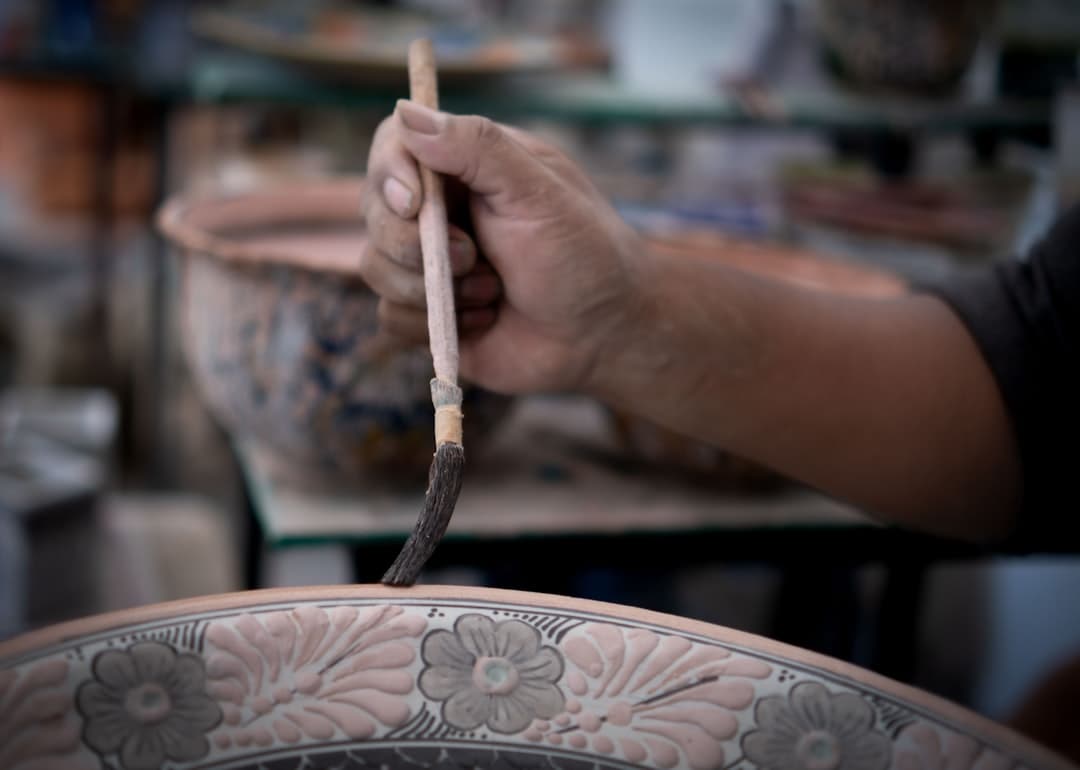
Entering Bat Trang is akin to stepping back in time. The village is lined with workshops and storefronts, each brimming with colorful pottery that glistens under the sunlight. The air is infused with the earthy aroma of clay and the soft sounds of artisans shaping their creations. The architecture reflects traditional Vietnamese influences, with tiled roofs and wooden structures that exude a sense of history.
Visitors are encouraged to partake in the pottery-making process. Under the guidance of seasoned craftsmen, you can mold clay into bowls, vases, or even intricate figurines. This hands-on experience not only enhances your appreciation for the craft but also connects you personally with the artisans’ dedication.
As you transition to Van Phuc, the atmosphere shifts to a more refined elegance. The village is neatly organized, with charming narrow lanes adorned with silk shops. The vibrant colors of silk fabrics hang like a tapestry against the backdrop of the village’s quaint architecture. The sound of looms clicking away fills the air, a rhythmic reminder of the labor-intensive process behind each piece of silk.
In both villages, the artisans are welcoming, eager to share their expertise and stories. Engaging with them provides a deeper understanding of the cultural significance of their crafts. For instance, you might learn about the symbolism behind certain dye colors or the significance of specific patterns in silk weaving.
A visit to these villages is not just about the crafts; it is also about the people who create them. The artisans’ passion is evident in every piece they produce, and their willingness to share their knowledge makes the experience all the more enriching. The atmosphere is warm and inviting, fostering a sense of community and connection that resonates with every traveler.
The Insider's Gem
While both Bat Trang and Van Phuc have much to offer, one highlight that stands out in Bat Trang is the opportunity to participate in an exclusive pottery workshop at a family-run studio. This experience is quintessential for those seeking deeper engagement with the craft.
The workshop typically lasts a few hours, during which participants can learn the intricacies of pottery making from skilled artisans. You will be guided through the steps of forming clay, using the potter's wheel, and applying glazes. The intimate setting allows for personalized instruction, as the artisans share their insights and techniques, ensuring that even beginners can create something unique.
The highlight of the workshop is the chance to create your own piece of pottery, which can be fired and glazed before being shipped to your home. This not only provides a tangible souvenir of your experience but also a story to share about your time spent with the artisans of Bat Trang.
In addition, the workshop offers a glimpse into the village's history and the artisans' lives. As you work alongside them, you will hear stories about the evolution of pottery in Vietnam, the challenges of maintaining traditional practices in a modern world, and personal anecdotes that add depth to your understanding. This immersive experience is a perfect blend of learning, creativity, and cultural appreciation, making it a standout recommendation for your visit.
The Concise Guide
Social Norms
Greetings: A polite nod or a simple “Xin chào” (Hello) suffices. Respect for elders is paramount.
Interaction: Engage with artisans respectfully. They appreciate genuine interest in their craft.
Dress Codes
Attire: Comfortable clothing is recommended, especially if participating in hands-on workshops. Avoid overly formal attire; casual chic is ideal.
Footwear: Closed-toe shoes are advisable, especially in workshops where clay and materials are present.
Strategic Timing
Best Times to Visit: Aim for early morning or late afternoon for a quieter experience. Weekdays tend to be less crowded than weekends.
Workshops: Pre-book your pottery workshop to secure your place, as they can fill up quickly, especially during peak tourist seasons.
For a seamless itinerary management, consider utilizing trip.express to keep track of your schedule while you explore the intricate worlds of pottery and silk making.
The Little Black Book
Bat Trang Pottery Village
Address: Bat Trang, Gia Lam District, Hanoi, Vietnam
Price: Workshop fees vary; approximately $30 per person.
Opening Hours: 8:00 AM - 5:00 PM daily.
Van Phuc Silk Village
Address: Van Phuc, Ha Dong District, Hanoi, Vietnam
Price: Free to explore; silk products vary in price.
Opening Hours: 8:00 AM - 6:00 PM daily.
Engaging with the artisans of Hanoi’s craft villages offers a profound insight into Vietnam's enduring cultural narrative. By participating in these experiences, travelers gain not only souvenirs but also an understanding of the intricate relationship between craftsmanship and community. Plan your journey wisely and immerse yourself in these authentic encounters, perhaps using trip.express to enhance your travels.
Share this story
Comments
Highly Anticipated
- Be the first to share your thoughts!
No comments yet
Be the first to share your thoughts with the community!