A Guide to Traditional Vietnamese Spa & Massage Treatments
Trip Express•Mar 9, 2026•5 min read
“Discover the intricacies of traditional Vietnamese spa and massage treatments. Explore the historical context, unique atmosphere, and insider tips for an enriching wellness experience in Vietnam.”
A Guide to Traditional Vietnamese Spa & Massage Treatments
The Hook
Vietnam's spa culture is a tapestry of ancient traditions and modern luxuries, seamlessly intertwining the therapeutic wisdom of its past with the refined aesthetics of the present. As you step into one of Vietnam's traditional spas, the air is imbued with the scent of lemongrass and eucalyptus, instantly transporting you to a world of relaxation. Each treatment is an invitation to experience a holistic approach to wellness that is deeply rooted in the country's rich history. From the gentle strokes of a tuina massage to the soothing warmth of herbal compresses, the rituals you will encounter are not merely about physical relaxation; they embody the essence of Vietnamese culture, emphasizing balance, harmony, and rejuvenation.
This guide will delve into the intricacies of Vietnam's spa offerings, exploring the techniques, the historical context, and the unique atmosphere of these sanctuaries. Whether you are a seasoned traveler or a newcomer to the world of wellness, understanding the nuances of these treatments can significantly enhance your experience, allowing you to appreciate the depth and richness of Vietnamese spa culture.
The Context
To understand the allure of traditional Vietnamese spa treatments, one must first appreciate the historical and cultural tapestry from which they emerge. Vietnamese wellness practices are influenced by the principles of Traditional Chinese Medicine, which emphasize the importance of energy flow and balance within the body. Techniques such as acupressure, reflexology, and herbal therapies have been practiced in Vietnam for centuries, passed down through generations as part of the country's herbal medicine tradition.
Share this story
Comments
Highly Anticipated
- Be the first to share your thoughts!
No comments yet
Be the first to share your thoughts with the community!
Leave a Reply
Keep Reading
Recommended Stories
In Vietnam, the concept of wellness extends beyond mere physical relaxation; it encompasses mental and spiritual well-being. The use of natural herbs and oils in treatments not only provides therapeutic benefits but also connects practitioners and clients to the land and its resources.
The colonial period further shaped the evolution of spa culture in Vietnam, introducing French influences that blended with traditional practices to create a unique spa experience. Today, many spas incorporate modern techniques while remaining true to their roots, offering an array of services that cater to both local and international clients.
The growing interest in wellness tourism has also contributed to the proliferation of spas across the country, particularly in urban centers like Hanoi and Ho Chi Minh City, as well as in serene coastal locations. Here, travelers can indulge in a diverse range of treatments that highlight Vietnam's natural ingredients, such as coconut oil, green tea, and rice powder, while enjoying the calming ambiance that these spaces provide.
The Atmosphere
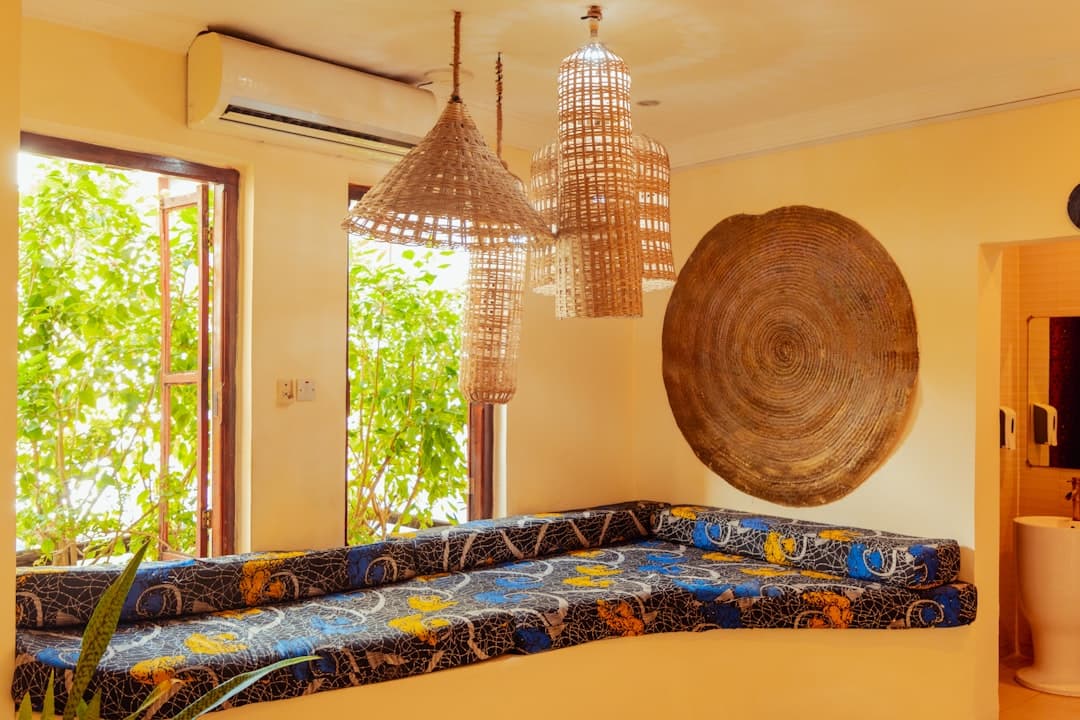
Walking into a traditional Vietnamese spa is akin to entering a tranquil oasis. The architecture often reflects local styles, with wooden structures, bamboo accents, and water features that evoke a sense of harmony with nature. Soft lighting and soothing music complement the serene environment, creating an atmosphere conducive to relaxation.
As you settle into the space, you may notice the meticulous attention to detail in the design. Many spas utilize natural materials that enhance the sensory experience. Textured textiles, fragrant herbs, and the gentle sound of flowing water come together to stimulate the senses and prepare your mind for the journey ahead.
The service at Vietnamese spas is characterized by warmth and hospitality. Trained therapists often greet you with a welcoming smile, offering a refreshing herbal tea as you begin your consultation. This personalized approach is integral to the experience, as therapists take the time to understand your needs and preferences, ensuring that your treatment is tailored to you.
Each treatment room is thoughtfully designed to promote relaxation, often featuring large windows that overlook lush gardens or serene water features. The use of natural light and calming colors creates a soothing backdrop for the services to come. Many spas offer a variety of treatment options, from full-body massages to specialized therapies focusing on specific areas of tension.
Techniques vary widely, with practitioners drawing on traditional methods such as acupressure, deep tissue massage, and herbal treatments. The use of heated herbal compresses, for instance, is a popular choice, as the warmth soothes sore muscles while the herbs release their therapeutic properties.
In addition to traditional offerings, many spas also incorporate innovative treatments that blend modern techniques with ancient wisdom. This could include aromatherapy, hydrotherapy, or even unique rituals that draw on the local culture, ensuring a rich and immersive experience.
"Vietnam's spas are not just about luxury; they are a profound exploration of the body and spirit, honoring ancient traditions while embracing modern wellness trends."
The Insider's Gem
When seeking a truly unique experience within Vietnam's spa landscape, consider a visit to the An Lam Retreats in Ho Chi Minh City. This sanctuary offers an exceptional blend of luxury and authenticity, making it a standout choice for discerning travelers.
At An Lam, the signature treatment is the Vietnamese Herbal Massage, which utilizes local herbs and oils that are handpicked for their healing properties. Before your treatment, you are invited to a serene garden where the scent of lemongrass and ginger fills the air, setting the stage for a rejuvenating experience.
The treatment begins with a consultation, where the skilled therapist assesses your individual needs. Following this, you will be led to a beautifully appointed treatment room that features large windows overlooking the lush surroundings. Here, the therapist will employ a combination of techniques, including acupressure and gentle stretching, to alleviate tension and promote relaxation.
One of the highlights of this experience is the use of heated herbal compresses, which are applied to key pressure points on the body. This not only enhances relaxation but also provides a deep, penetrating warmth that soothes sore muscles. As you sink into the experience, the therapist will blend traditional Vietnamese techniques with modern practices, ensuring a holistic approach to your well-being.
After your treatment, take the time to unwind in the spa’s relaxation lounge, where you can enjoy a selection of herbal teas and fresh fruits, further embracing the essence of Vietnamese wellness. This tranquil setting, combined with the exceptional service and attention to detail, makes An Lam Retreats a must-visit for anyone seeking to immerse themselves in Vietnam's spa culture.
"An Lam Retreats exemplifies the harmony of luxury and tradition, offering an immersive experience that transcends mere relaxation."
The Concise Guide
Social Norms
Politeness: It is customary to greet staff with a smile and a polite nod. Quiet, respectful behavior enhances the tranquil atmosphere.
Mobile Phones: Silence your devices and avoid phone calls during treatments to maintain a serene environment for yourself and others.
Dress Codes
Attire: Many spas provide robes and slippers, but it's advisable to wear comfortable clothing. Avoid overly revealing outfits.
Footwear: Consider removing shoes before entering treatment areas to respect the cleanliness of the space.
Strategic Timing
Best Times to Visit: Early mornings and late afternoons are ideal, as these times tend to be less crowded, allowing for a more personalized experience.
Reservations: It is wise to book treatments in advance, especially during peak travel seasons, to ensure availability.
To optimize your experience, consider using tools like trip.express for seamless itinerary management, allowing you to schedule spa visits alongside other luxury experiences during your stay in Vietnam.
The Little Black Book
Address: An Lam Retreats, Ho Chi Minh City, Vietnam
Price: Approximately $100 to $200 for signature treatments
Opening Hours: Daily from 10:00 AM to 10:00 PM
In conclusion, exploring traditional Vietnamese spa and massage treatments provides an opportunity to engage with the country's culture on a profound level. As you indulge in these time-honored practices, you will not only experience relaxation but also cultivate a deeper appreciation for the rich traditions that shape Vietnam's wellness landscape.