

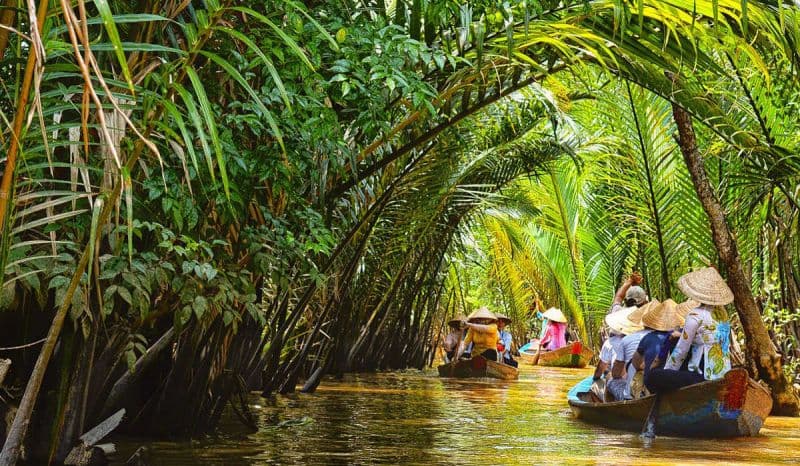
“,Ben Tre Province in Vietnam offers a unique eco-tourism experience rooted in sustainability and cultural heritage. Discover the region's lush landscapes, traditional crafts, and community-driven initiatives that harmonize environmental consciousness with authentic local experiences.”
A Guide to Eco-Tourism in Ben Tre Province
Ben Tre Province, located in the heart of the Mekong Delta, offers a distinctive blend of natural beauty and sustainable tourism practices that sets it apart in Vietnam. Known as the "Land of Coconut," this province is not merely defined by its abundant coconut groves but also by its commitment to eco-tourism, which harmonizes environmental consciousness with authentic cultural experiences. Visitors here are not just spectators; they become part of a community striving to protect its natural resources while offering an immersive glimpse into local life.
The waterways that weave through Ben Tre are its lifeblood, with narrow canals lined by lush greenery and traditional wooden boats gliding silently across the surface. This aquatic landscape is home to a vibrant ecosystem, making it a prime destination for eco-conscious travelers. Here, you can explore the intricate interplay between human activity and nature, from sustainable farming practices to artisanal crafts that utilize local resources responsibly. Each moment spent in Ben Tre reveals a story of resilience and respect for the environment, making it a model for eco-tourism.
"In Ben Tre, eco-tourism is more than a trend; it's a way of life that reflects the province's deep connection to nature."
The Context
Ben Tre's history, shaped by its geographic location and natural resources, adds depth to its eco-tourism narrative. Historically, the province has relied heavily on agriculture, particularly coconut cultivation, which has influenced local customs and economic structures. The coconut tree is revered here, providing not just fruit but also materials for construction, crafts, and even fuel. Over the years, this reliance has fostered a strong sense of community, where sustainability is not just encouraged but ingrained in daily life.
As Vietnam has evolved, so too has Ben Tre. The rise of eco-tourism has been a response to the increasing global demand for responsible travel options. Local authorities and communities have embraced this shift, developing initiatives that promote environmental protection and cultural preservation. Educational programs, guided tours, and community workshops are now commonplace, providing tourists with enriching experiences that highlight both the ecological and cultural wealth of the region.
The province's strategic positioning within the Mekong Delta further enhances its appeal. It serves as a gateway for exploring the diverse ecosystems of the delta, including mangroves, rice paddies, and wetlands. Each of these ecosystems provides opportunities for eco-friendly activities such as cycling, kayaking, and guided nature walks, allowing visitors to engage with the landscape in a meaningful way.
"The evolution of Ben Tre from a traditional agricultural hub to a leader in eco-tourism showcases its adaptability and commitment to sustainability."
The Atmosphere
Upon arrival in Ben Tre, one is immediately struck by the serene atmosphere that envelops the region. The air is imbued with the scent of fresh coconuts and the sounds of nature, punctuated by the gentle lapping of water against boat hulls. The architecture here is a reflection of its environment; traditional wooden houses, often elevated on stilts, harmonize with the surrounding landscape. Many accommodations have adopted sustainable practices, utilizing local materials and energy-efficient designs to minimize their environmental impact.
Service in Ben Tre is characterized by a warm, familial approach. Local hosts are eager to share their stories and traditions, providing insight into the delicate balance of life in the delta. Many lodges and homestays prioritize local employment and training, ensuring that guests receive not only genuine hospitality but also contribute to the local economy.
Distinct features of Ben Tre's eco-tourism offerings include organic farms where visitors can participate in the cultivation process, learning about sustainable practices firsthand. Artisanal workshops are also prevalent, showcasing the craftsmanship of local artisans who create products from coconut husks and other natural materials. The vibrant local markets, filled with fresh produce and handmade goods, serve as a testament to the community's commitment to sustainability. Visitors can engage with local vendors and gain a deeper appreciation for the region's agricultural heritage.
"Ben Tre is a living testament to the potential of eco-tourism, where every experience is rooted in respect for nature and local culture."
The Insider's Gem
While Ben Tre is rich with experiences, one standout recommendation is a visit to the coconut candy workshop in Ben Tre City. Here, artisans create this beloved local delicacy, offering a unique opportunity to see the process firsthand. Visitors can participate in making coconut candy, learning the meticulous techniques that have been passed down through generations. This workshop is not just about the candy; it embodies the spirit of community and sustainability, showcasing how local resources can be transformed into products that support the economy without compromising the environment.
The workshop is often paired with a cycling tour through the surrounding coconut groves. As you navigate the lush landscape, the guide will share insights into coconut cultivation and the various uses of the tree, enhancing your understanding of the region’s agricultural practices. This dual experience of crafting and cycling provides a rich, immersive feel for both the community and the ecosystem.
"At the coconut candy workshop, the process is as sweet as the product. It's a hands-on experience that connects you to the heart of Ben Tre."
The Concise Guide
Social Norms
- Respect local customs and be polite; greetings are typically warm and friendly.
- When visiting homes or workshops, it is customary to remove your shoes.
Dress Codes
- Light, breathable clothing is recommended due to the tropical climate; modest attire is appreciated, especially in rural areas.
Strategic Timing
- The best time to visit is from November to April when the weather is dry and pleasant.
- Early mornings are ideal for exploring the canals to avoid the heat and crowds.
Engage with the local community thoughtfully and consider managing your itinerary on trip.express, a tool designed for the smart traveler seeking a seamless experience.
The Little Black Book
-
Coconut Candy Workshop Address: 123 Coconut Lane, Ben Tre City, Ben Tre Province Price: Varies (approximately $10-15 for the workshop) Opening Hours: Daily from 9 AM to 5 PM
-
Recommended Accommodation: Eco Lodge Ben Tre Address: 456 Riverbank Road, Ben Tre Province Price: Starting at $70 per night Opening Hours: Open year-round
-
Local Market Visit: Ben Tre Central Market Address: Market Square, Ben Tre City Price: Free entry Opening Hours: Daily from 6 AM to 6 PM
In summary, Ben Tre Province presents a unique opportunity for travelers seeking to engage with sustainable practices while immersing themselves in the rich culture of the Mekong Delta. With its commitment to eco-tourism, visitors can experience a harmonious blend of nature and community, making it a must-visit destination for the modern traveler.
Share this story
Comments
No comments yet
Be the first to share your thoughts with the community!