

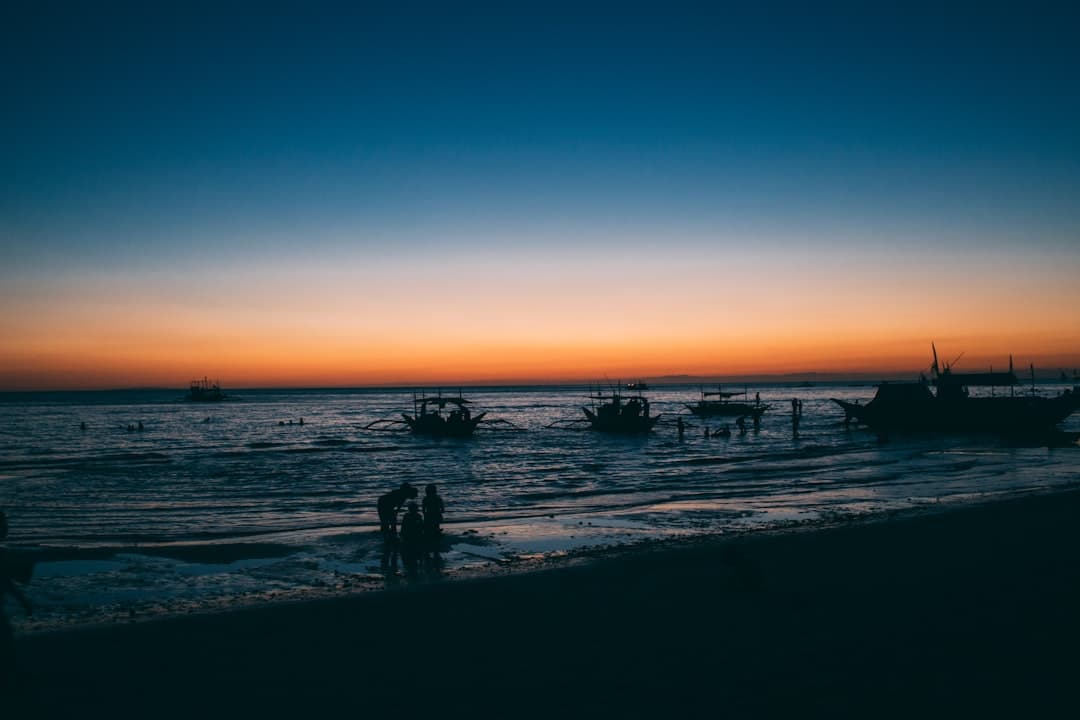
“Explore the cultural richness and local experiences of Boracay beyond its famous beaches. Discover the island's history, culinary delights, and hidden gems for a more authentic travel experience.”
Boracay: A Journey Beyond the Beaches to the Island's Heart
The Hook
While Boracay is globally recognized for its pristine beaches and vibrant nightlife, the true essence of this island lies in its cultural richness and the authentic experiences it offers beyond the shoreline. As you venture away from the crowded sands of White Beach, you discover a tapestry of local traditions and community life that remain largely untouched by the tourist-driven narrative. From the intricacies of the island’s history to its evolving identity, Boracay presents an opportunity for the discerning traveler to engage with its soul. The island's local residents, known as "Aklanon," embody a spirit of warmth and hospitality that invites you to explore their way of life, traditions, and culinary delights, all while enjoying the breathtaking backdrop of nature's artistry.
The Context
Boracay's history is as layered as its sandy shores. Originally inhabited by indigenous tribes, the island became a strategic point for trade long before it caught the eye of international travelers. The name "Boracay" is believed to have come from the Aklanon word "borac," meaning "white cotton," a nod to the fine white sand that has attracted visitors for decades. However, the island's journey from a quiet fishing community to a global tourist destination began in earnest in the 1970s when the first resorts emerged, paving the way for a tourism boom.
Despite its current reputation, the island has made significant strides toward sustainable tourism in recent years. Following a six-month closure in 2018 for environmental rehabilitation, Boracay has taken measures to preserve its natural beauty and cultural heritage. Today, the island aims to balance the influx of visitors with a commitment to local welfare and ecological integrity. Understanding this context is essential for appreciating the Boracay that exists beyond the postcard images. The island is not merely a backdrop for leisure; it is a living community with rich traditions, vibrant artistry, and a culinary scene that reflects the diverse influences that have shaped it over the years.
The Atmosphere
Walking through the narrow streets of Boracay, you will encounter an intriguing blend of colonial architecture and modern structures. Traditional Filipino houses, with their intricate woodwork and vibrant colors, stand alongside contemporary boutiques and cafes, creating a dynamic urban landscape. This architectural diversity is not just aesthetically pleasing; it is a reflection of the island's evolving identity, where past and present coexist harmoniously.
The service culture in Boracay is deeply rooted in the island's values of hospitality and community. Local establishments often employ residents, fostering a sense of ownership and pride among the workforce. This is evident in the attentive service you receive, where staff go beyond mere professionalism to create a welcoming atmosphere. Whether at a high-end resort or a local eatery, the personal touches are what set the experience apart.
Distinct features of Boracay include its vibrant markets and local festivals. A visit to the D’Mall, the island’s shopping and dining hub, presents an opportunity to interact with local artisans and sample traditional crafts, from handwoven textiles to intricate jewelry. Meanwhile, the Ati-Atihan Festival, celebrated in January, showcases the island's rich cultural heritage through music, dance, and colorful costumes, offering visitors an immersive experience of the local traditions.
The culinary scene is equally compelling, blending international influences with local flavors. Restaurants often feature seafood caught fresh from the surrounding waters, served alongside traditional dishes like "Laing" (taro leaves in coconut milk) and "Kinilaw" (Filipino ceviche). Dining experiences around the island often include sunset views, enhancing the sensory experience and allowing patrons to savor both the meal and the moment.
"Boracay is not just a destination; it is a vibrant community that invites you to explore its culture and traditions."
The Insider's Gem
For those seeking an authentic taste of Boracay, the secret lies in the local dining scene, particularly at a small, unassuming eatery named "Dampa." Located slightly off the beaten path, this seafood market and restaurant allow you to select your seafood directly from the vendor stalls. The experience is both interactive and immersive, as you negotiate with local fishmongers and choose from the day's freshest catch, which is then cooked to your specifications.
The standout dish at Dampa is the grilled "Sinigang na Baboy" (pork in sour broth) served alongside perfectly steamed rice. The depth of flavor in this traditional dish is unparalleled, showcasing the island's culinary heritage while allowing the freshness of the ingredients to shine through. Dining at Dampa is not simply about the food; it is about connecting with the community and understanding their culinary practices, which have been passed down through generations.
Visiting during the late afternoon provides the perfect ambiance, as the sun begins to set, casting a warm glow over the vibrant market scene. The energy is palpable, with locals and travelers alike engaging in lively conversation, laughter, and the shared joy of food. It is moments like these that foster a deeper appreciation for Boracay's essence, away from the crowds and the noise of mainstream tourism.
"Dining at Dampa is not just about the meal; it is a connection to the island's culinary traditions and community spirit."
The Concise Guide
Social Norms
- Greetings: A simple smile and a warm greeting of "Hello" or "Kumusta?" (How are you?) are common. Acknowledging locals with a nod or wave is appreciated.
- Dining Etiquette: When dining with locals, it is customary to wait for the host to begin eating before you start your meal. Sharing food is common, so be open to trying new dishes.
Dress Codes
- Beachwear: Swimsuits are acceptable at beaches; however, it is advised to wear cover-ups when moving inland or entering local establishments.
- Evening Wear: Smart casual attire is recommended for dinner at higher-end restaurants.
Strategic Timing
- Best Time to Visit: The dry season from November to May is ideal for avoiding heavy rains and enjoying outdoor activities.
- Optimal Exploration Times: Mornings and late afternoons are best for experiencing local markets and cultural events, as temperatures are more manageable, and crowds are thinner.
Utilizing tools like trip.express can help streamline your itinerary, ensuring you make the most of your time on the island while immersing yourself in its rich culture and local experiences.
The Little Black Book
Dampa Restaurant Address: Station 1, Boracay Island, Malay, Aklan, Philippines Price: Approx. $10-$30 per person Opening Hours: 11:00 AM - 10:00 PM daily
Boracay offers much more than its world-renowned beaches; it provides an opportunity for genuine connection, cultural exploration, and culinary delight. By venturing beyond the surface, you not only enrich your travel experience but also contribute positively to the local community.
Chia sẻ câu chuyện này
Comments
Chưa có bình luận nào
Hãy là người đầu tiên chia sẻ suy nghĩ của bạn với cộng đồng!