Da Lat: Savoring the Flavors of a French Colonial Legacy
Trip Express•16 lug 2026•5 min read
“Explore the culinary landscape of Da Lat, where French colonial influences meet local flavors in a unique dining experience. Discover must-visit cafés and the rich history behind Da Lat cuisine.”
Da Lat: Savoring the Flavors of a French Colonial Legacy
THE HOOK
Da Lat is a culinary anomaly in Vietnam, where French influence weaves seamlessly into the local tapestry of flavors. Nestled in the Central Highlands, this temperate city offers a unique gastronomic experience, blending French techniques with Vietnamese traditions. The elevation, with its cool climate, is ideal for producing an array of fresh produce, from strawberries to artichokes, which are integral to Da Lat cuisine. Travelers often remark that the city’s dishes evoke nostalgia, as they reflect a colonial past that still whispers through the streets, cafés, and markets. Here, every meal is a story, a blend of history and modernity, served with a side of breathtaking landscapes.
From the bustling markets where locals barter for fresh ingredients to the elegant bistros serving French-inspired delicacies, Da Lat’s culinary scene invites exploration. With each dish, one can taste the remnants of a French colonial legacy, reinterpreted through the lens of Vietnamese culture. This narrative of Da Lat cuisine is one of adaptation, where traditional methods meet innovative practices, resulting in a dining experience that is both familiar and novel. It’s a city that encourages you to slow down and savor—each bite is a reflection of its rich history and vibrant present.
THE CONTEXT
To understand Da Lat’s culinary identity, one must delve into its history. Established as a hill station by the French in the late 19th century, Da Lat was envisioned as a retreat from the tropical heat of the lowlands. The French brought with them not only a penchant for pastries and coffee but also a methodical approach to agriculture. Grapes, vegetables, and flowers flourished in the cooler climate, transforming Da Lat into a fertile ground for French culinary practices.
Condividi questa storia
Comments
Molto Atteso
- Sii il primo a condividere i tuoi pensieri!
Nessun commento ancora
Sii il primo a condividere i tuoi pensieri con la comunità!
Lascia una Risposta
Continua a Leggere
Storie Raccomandate
As the years progressed, local farmers began to adopt and adapt these techniques, incorporating indigenous ingredients into their dishes. The French influence is particularly evident in the city's cafés, where a simple cup of coffee can be a rich, aromatic experience, often accompanied by a slice of flaky pastry. This blend of cultures has created a unique culinary landscape that is deeply rooted in both history and geography.
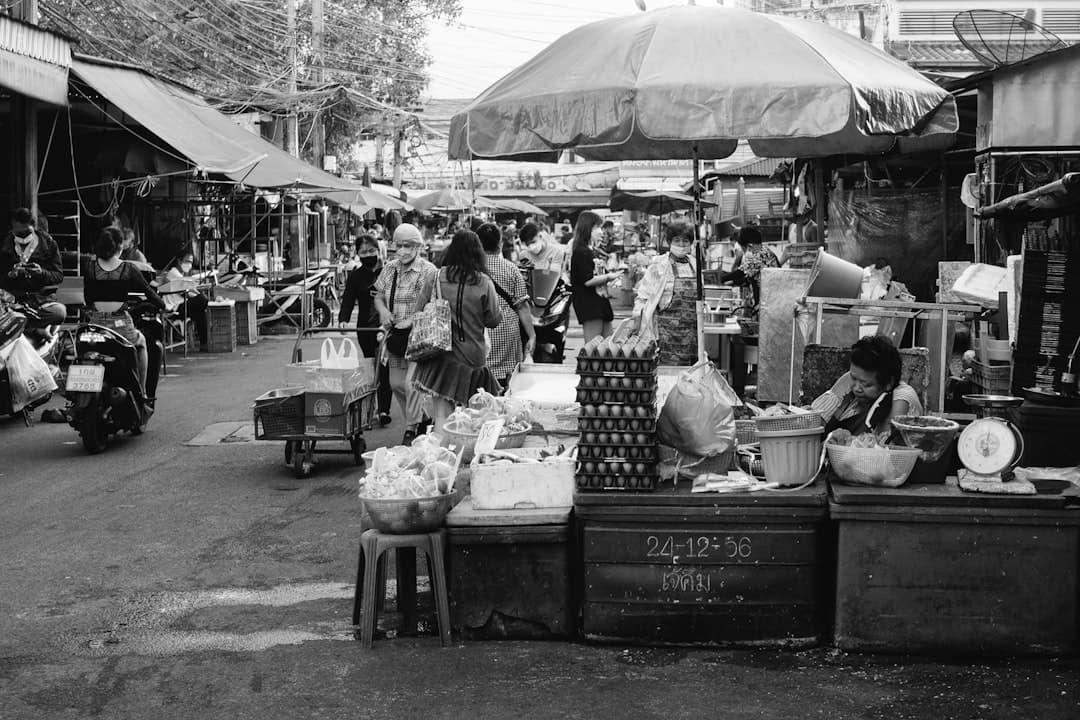
Moreover, the significance of food in Da Lat goes beyond mere sustenance; it is a medium for storytelling. Family recipes passed down through generations often feature locally sourced ingredients, reflecting the city’s agricultural abundance. Markets like Da Lat Market exemplify this relationship between food and community, where local vendors proudly display their harvests, inviting visitors to partake in the vibrant culture of sharing and celebration.
“In Da Lat, food is a narrative—a story of adaptation, resilience, and community.”
This rich tapestry of influences shapes not just the flavors but also the social dynamics around dining in Da Lat. Meals are often communal, emphasizing connection and shared experiences, reinforcing the idea that food is not merely about taste but also about the joy of togetherness.
THE ATMOSPHERE
Wander through the streets of Da Lat, and you encounter a visual feast that complements its culinary offerings. The architecture is a striking blend of French colonial buildings and traditional Vietnamese structures. Many cafés and restaurants are housed in charming villas, adorned with intricate ironwork and wooden shutters, evoking a sense of nostalgia. The atmosphere is both relaxed and refined, inviting you to linger over your meal while soaking in the surroundings.
Service in Da Lat strikes a balance between casual friendliness and professionalism. Many establishments pride themselves on their hospitality, often engaging customers in conversations about the menu, which features an array of dishes—from classic French fare to innovative interpretations of Vietnamese staples.
The interiors of these dining spots vary widely, from rustic wooden tables adorned with fresh flowers to elegantly set tables with fine china. A notable characteristic of Da Lat’s dining scene is the emphasis on natural light. Many restaurants feature large windows that frame the lush greenery outside, creating a serene backdrop for your meal.
One of the most striking aspects of dining in Da Lat is the way the environment enhances the culinary experience. The smell of fresh bread baking in the oven, the sight of vibrant produce at a nearby market, and the sound of laughter and conversation create an atmosphere that is both invigorating and comforting. Outdoor dining is particularly popular, allowing visitors to enjoy the cool mountain air while savoring their meals.
“In Da Lat, every meal is an invitation to engage with the environment—both natural and social.”
The culinary offerings are further enriched by local traditions. Seasonal festivals often showcase specific ingredients, such as the strawberry harvest in spring, where dishes incorporate this beloved fruit in unexpected ways. The local cuisine is a celebration of life, marked by an appreciation for the bounties of nature and the artistry of preparation.
THE INSIDER'S GEM
Among the many culinary delights in Da Lat, one establishment stands out: Le Café de la Poste. Nestled in a beautifully restored colonial building, this café captures the essence of Da Lat’s French heritage while embracing local flavors. Known for its exquisite pastries and aromatic coffee, Le Café de la Poste offers a unique dining experience that merges history with contemporary culinary practices.
As you step inside, the atmosphere envelops you—a blend of vintage decor, soft lighting, and the inviting scent of freshly brewed coffee. The café’s signature dish, the “Bánh Mì de la Poste,” is a masterful fusion of French and Vietnamese cuisines. This sandwich features a perfectly crusty baguette filled with marinated pork, fresh herbs, and a homemade aioli that elevates the dish to new heights. The balance of flavors and textures is a testament to the innovative spirit of Da Lat cuisine.
Visiting during the early morning hours is recommended, as the café is less crowded, allowing for a more intimate experience. Pair your meal with a cup of Da Lat coffee—known for its rich flavor and smooth finish.
“At Le Café de la Poste, each dish tells a story—a narrative of cultural exchange and culinary evolution.”
The café also offers a selection of traditional French desserts, including éclairs and tarts, all made with locally sourced ingredients. The attention to detail in presentation and flavor reflects the café's commitment to quality and authenticity. Dining here is not just about the food; it’s about immersing yourself in a slice of Da Lat’s history and culture.
THE CONCISE GUIDE
Social Norms
Dining in Da Lat is often a communal affair. Expect to share dishes, especially in local markets or family-run restaurants. Engaging with staff about recommendations is encouraged and often leads to delightful discoveries.
Dress Codes
While Da Lat is generally relaxed in terms of dress, smart casual attire is advisable for finer dining establishments. Comfortable clothing is recommended for market visits and street food adventures.
Strategic Timing
To fully appreciate the culinary offerings, visit local markets in the morning when produce is freshest. For a more tranquil dining experience, aim for late afternoon or early evening when crowds are thinner.
THE LITTLE BLACK BOOK
Le Café de la PosteAddress: 25 Trần Phú, Phường 3, Đà Lạt
Price: Approx. 50,000 - 200,000 VND per dish
Opening Hours: 7:00 AM - 9:00 PM
Da Lat MarketAddress: Phan Bội Châu, Phường 1, Đà Lạt
Price: Varies by vendor
Opening Hours: 6:00 AM - 6:00 PM
For a curated travel experience, manage your itinerary on trip.express, ensuring you make the most of your culinary explorations in Da Lat.