Pamukkale: The Natural Wonder and Its Rich Historical Tapestry | Trip Express
Pamukkale: The Natural Wonder and Its Rich Historical Tapestry
Trip Express•16 juil. 2026•5 min read
“Discover Pamukkale, a UNESCO World Heritage site, where stunning travertine terraces meet the ancient ruins of Hierapolis. Experience the rich history and natural beauty of this remarkable destination.”
Pamukkale: The Natural Wonder and Its Rich Historical Context
THE HOOK
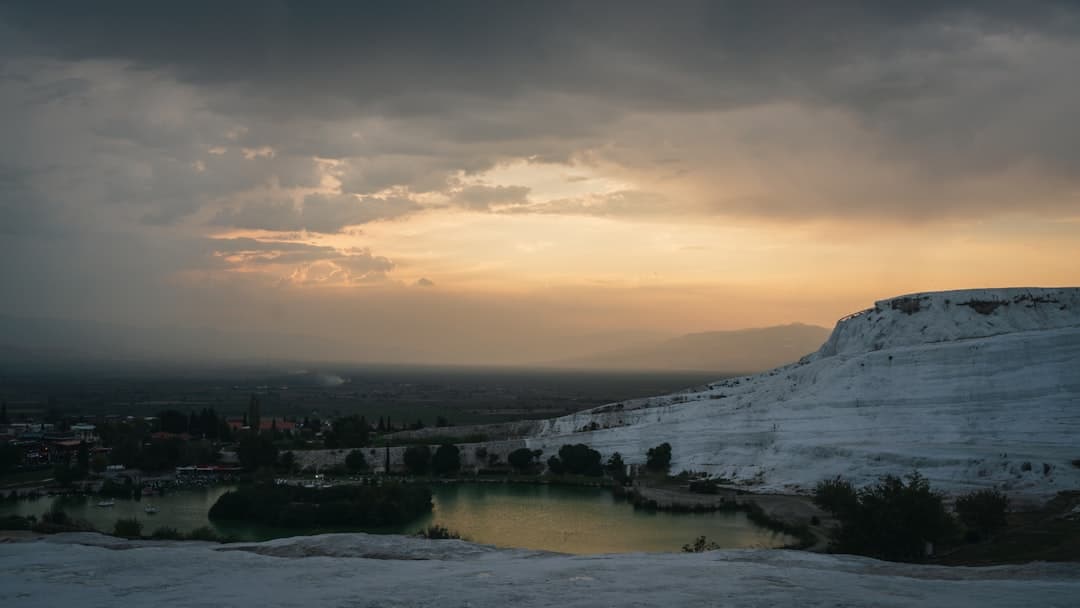
Pamukkale, a UNESCO World Heritage site, offers an extraordinary juxtaposition of nature and history, where mineral-rich thermal waters cascade down brilliant white travertine terraces, creating a surreal landscape that has captivated visitors for millennia. This natural phenomenon, formed over thousands of years by the deposition of calcium carbonate, is not just a visual marvel; it represents a significant intersection of geology and human history. The terraces, resembling frozen waterfalls, provide a striking contrast to the ruins of Hierapolis, an ancient Roman city that thrived in the 2nd century AD. Here, visitors can immerse themselves in a unique experience that transcends mere sightseeing, engaging with the cultural and historical narratives that shaped this extraordinary location.
The allure of Pamukkale lies in its dual character. While the travertine pools are a stunning display of nature's artistry, the remnants of Hierapolis speak to the human endeavor to harness and celebrate nature's gifts. The thermal waters, known for their healing properties, have attracted visitors since antiquity, making Pamukkale not only a destination for relaxation but also a place of pilgrimage and rejuvenation. As you stroll along the terraces, absorbing the ethereal beauty, one cannot help but feel a profound connection to the generations that have walked these paths before.
Comments
Très Attendu
- Soyez le professional à partager vos pensées !
Pas encore de commentaires
Soyez le professional à partager vos pensées avec la communauté !
Laisser une Réponse
Continuez à Lire
Histoires Recommandées
THE CONTEXT
Pamukkale, translating to "Cotton Castle" in Turkish, derives its name from the fluffy, white appearance of its travertine formations. The area has been inhabited since the Hellenistic period, and the ruins of Hierapolis provide a window into the past. Founded around 190 BC, Hierapolis was initially established as a thermal spa, attracting visitors seeking the therapeutic benefits of its hot springs. Over the centuries, it flourished under various empires, including the Romans, who left an indelible mark on its architecture and cultural landscape.
The significance of Pamukkale extends beyond its visual appeal; it embodies a rich tapestry of cultural history. The ancient Greeks and Romans believed that the thermal waters possessed healing properties, a notion that continues to resonate today. Visitors can explore the well-preserved ruins, including the grand theatre, which once hosted performances for thousands, and the ancient necropolis, where the past whispers stories of lives lived and lost. The juxtaposition of these historical remnants against the backdrop of the travertine terraces creates a compelling narrative of resilience and beauty.
In addition to its historical relevance, Pamukkale is woven into contemporary Turkish culture. The site draws not only tourists but also locals, who regard it as a natural treasure. The region's significance is further underscored by its inclusion in various cultural practices, from traditional healing rituals to modern wellness retreats. This blend of old and new enhances the depth of experience for travelers seeking to engage meaningfully with the destination.
THE ATMOSPHERE
Arriving at Pamukkale is an experience in itself. As you approach the site, the first sight is the imposing travertine terraces, glistening under the sun, inviting visitors into a world where nature and history converge. The soft, white formations create a striking contrast against the vibrant blue of the thermal pools, evoking a sense of tranquility and wonder. The sensation of stepping onto the terraces is akin to walking on clouds; the warm waters lap against your feet, providing a soothing balm for the soul.
The architecture of Hierapolis complements the natural beauty of Pamukkale, with its ancient structures telling stories of a bygone era. The amphitheater, one of the best-preserved in the region, looms large, its stone seats offering panoramic views of both the travertines and the surrounding landscape. The craftsmanship evident in the colonnaded streets and temples reflects the sophistication of Roman engineering and artistry. As you wander through the ruins, you can almost hear the echoes of history reverberating off the ancient stones.
Service in the area is thoughtfully curated, with an emphasis on providing a seamless experience for visitors. The local establishments are designed to enhance your journey, offering everything from guided tours that delve into the historical significance of the site to wellness services that utilize the natural thermal waters. Dining options abound, featuring traditional Turkish cuisine that complements the immersive experience. The fusion of local flavors with the serenity of the surroundings creates a harmonious atmosphere, inviting travelers to linger longer.
As evening descends, Pamukkale transforms. The fading light casts a golden hue over the terraces, and the once bustling site grows quieter, allowing for moments of reflection and solitude. It is during this time that the true essence of Pamukkale reveals itself—a serene sanctuary that encapsulates the intersection of nature and history.
THE INSIDER'S GEM
For an experience that encapsulates both luxury and authenticity, consider indulging in a private sunset dip in one of the lesser-known thermal pools. While many flock to the main terraces, a hidden spot exists further along the pathways, offering a more intimate setting with fewer visitors. Arriving just before sunset allows you to bask in the warm waters as the sun dips below the horizon, painting the sky in hues of pink and orange.
This secluded thermal pool offers not only a serene bathing experience but also an opportunity to connect with nature in a more profound way. The gentle sounds of water trickling down the terraces create a soothing soundtrack, enhancing the tranquility of the moment. Bring along a light shawl to wrap around your shoulders as the air cools, and consider taking a moment to meditate or simply absorb the beauty surrounding you.
As dusk falls, the ambiance shifts; the landscape takes on an ethereal quality, inviting contemplation. This experience encapsulates the essence of Pamukkale: a blend of natural wonder and historical resonance, providing a deeper connection to the land and its stories. Such moments are best remembered, creating lasting impressions that transcend the ordinary.
THE CONCISE GUIDE
Social Norms
Respect the Site: As a UNESCO World Heritage site, it is essential to treat the area with respect. Avoid climbing on the terraces and adhere to designated paths.
Local Etiquette: Greeting locals with a polite nod or a simple "Merhaba" (Hello) is appreciated. Engaging in brief conversations about the history of Pamukkale can enhance your experience.
Dress Codes
Attire: Lightweight, breathable clothing is advisable due to the warm climate. Swimsuits are acceptable but should be paired with cover-ups when exploring the archaeological sites.
Footwear: Comfortable sandals or water shoes are recommended for traversing the terraces and walking on uneven surfaces.
Strategic Timing
Ideal Visit: Early morning or late afternoon is the best time to visit for fewer crowds and optimal lighting for photography.
Best Seasons: Spring and autumn offer moderate temperatures, while summer can be quite hot, making early visits preferable.
Pamukkale is more than a destination; it is an experience that invites you to engage with its history, culture, and natural beauty. Manage your itinerary on trip.express for a seamless exploration of this remarkable location.
THE LITTLE BLACK BOOK
Address: Pamukkale, Denizli, Turkey 20280
Price: Entrance fee approximately 400 Turkish Lira (subject to change)
Opening Hours: Daily from 6:30 AM to 8:00 PM (last entry 7:00 PM)
"Pamukkale is not just a place to visit; it is a journey through time and nature, where every step tells a story."
"The juxtaposition of ancient ruins and stunning natural formations creates an unparalleled backdrop for reflection and rejuvenation."
"Engaging with the local culture enhances the experience, transforming a fleeting visit into a meaningful connection."
"Timing your visit can elevate your experience, allowing for moments of solitude amidst the beauty of Pamukkale.