
“Discover the lesser-known experiences in Phong Nha-Kẻ Bàng, from local villages to stunning viewpoints. Engage deeply with the culture and nature of this UNESCO World Heritage site.”
Exploring the Mystique of Phong Nha-Kẻ Bàng: Beyond the Caves
The Hook
Nestled in the heart of Vietnam, Phong Nha-Kẻ Bàng National Park is often celebrated for its spectacular caves, but its true essence extends far beyond the subterranean wonders. The park, a UNESCO World Heritage site, boasts an intricate network of limestone karsts that shape not only the landscape but also the lives of the local communities. While travelers flock to the iconic Phong Nha and Paradise Caves, many overlook the rich tapestry of experiences that await in the surrounding villages and remote viewpoints. Here, the lush scenery meets the warmth of local hospitality, offering a glimpse into a world where nature and culture intertwine seamlessly. To explore Phong Nha-Kẻ Bàng is to engage with a living landscape, where every turn reveals a story deeply rooted in history and tradition.
The Context
The history of Phong Nha-Kẻ Bàng is as intricate as its geological formations. The area has been inhabited for thousands of years, with archaeological evidence dating back to the Stone Age. The limestone caves, formed over millions of years, played a crucial role in the survival of early human inhabitants, providing shelter and resources. Fast forward to the 20th century, and the region found itself at the epicenter of the Vietnam War. The extensive cave systems served as both hideouts and strategic locations, a testament to the resilience of the local people.
Today, Phong Nha-Kẻ Bàng is more than just a geological marvel. It is a living testament to the symbiotic relationship between the land and its inhabitants. The surrounding villages, such as Sơn Trạch and Phong Nha, are home to the Chứt ethnic minority, whose unique culture and traditions are often overshadowed by the park's natural attractions. Engaging with these communities offers travelers a deeper understanding of the region's heritage and its ongoing transformation in the face of tourism.
In addition to its cultural significance, the park is also a biodiversity hotspot. Home to a myriad of flora and fauna, many of which are endemic, Phong Nha-Kẻ Bàng provides a vital ecosystem that locals depend on. This connection to nature not only shapes the daily lives of the inhabitants but also emphasizes the importance of sustainable tourism practices in preserving this remarkable environment.
The Atmosphere
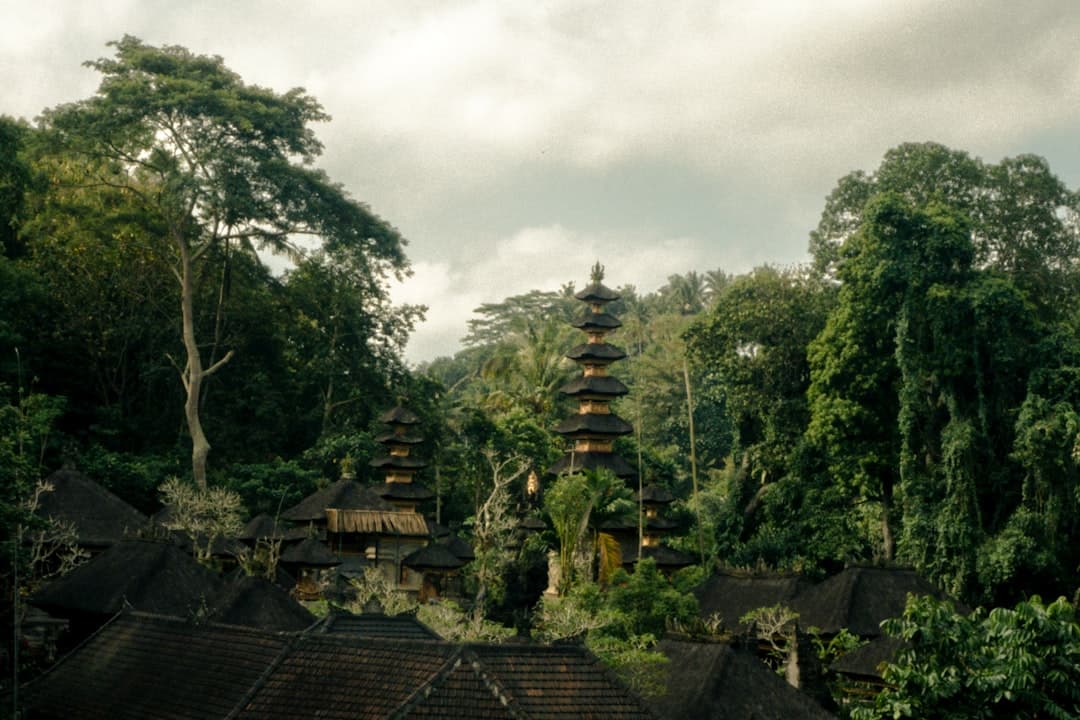
Visiting Phong Nha-Kẻ Bàng is an immersive experience that begins the moment you arrive. The air is thick with the rich scent of earth after rain, mingling with the faint aroma of local cuisine wafting from nearby homes. The architecture reflects a blend of traditional Vietnamese styles and colonial influences, with wooden structures adorned with intricate carvings. The rhythm of life here is unhurried, encouraging visitors to slow down and absorb their surroundings.
As you venture into the park, the towering limestone cliffs loom majestically, their rugged surfaces often shrouded in mist. The sound of the river flowing through the valleys adds a soothing backdrop to the stunning vistas. Trails meander through the dense jungle, leading to breathtaking viewpoints that reveal the true scale of the landscape. The viewpoint at Đỉnh Mây, for instance, offers a panoramic view that stretches for miles, an invitation to reflect on the beauty of the natural world.
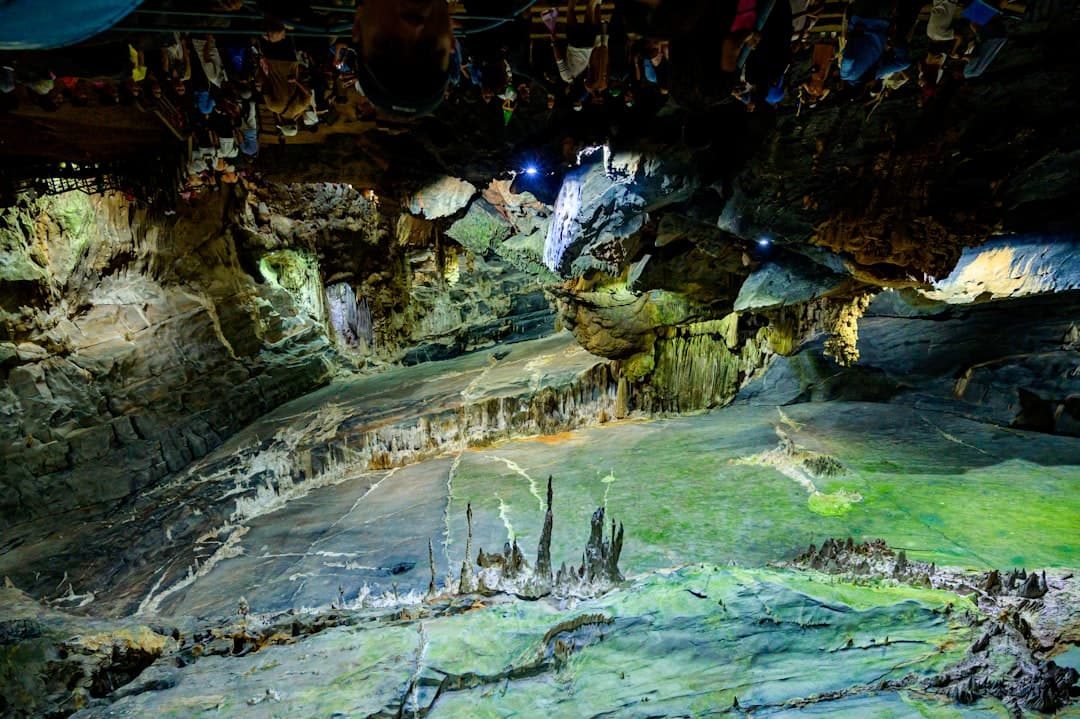
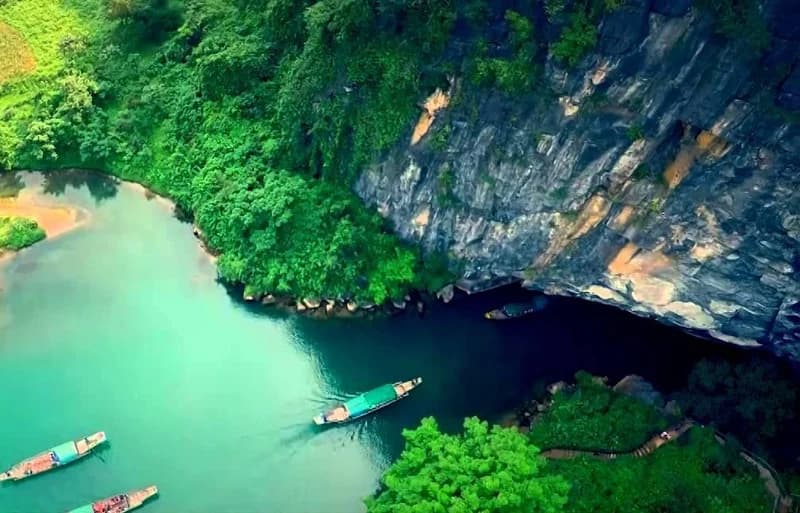
Inside the caves, the atmosphere shifts dramatically. The air grows cool and damp, and the play of light on the stalactites and stalagmites creates an otherworldly ambiance. Each cave has its own character, from the expansive chambers of Phong Nha Cave, where boats glide silently along underground rivers, to the intricate formations in Paradise Cave, which can leave visitors in awe. The guides, often local residents, share stories that breathe life into these geological wonders, enhancing the experience with cultural insights that resonate long after you leave.
Quote
"The true beauty of Phong Nha-Kẻ Bàng lies not just in its natural wonders but in the stories of the people who call it home."
Local eateries dot the landscape, where you can savor traditional Vietnamese dishes made from fresh, local ingredients. Dining here is both a culinary experience and an opportunity to connect with the community. The hospitality extended by the locals, often accompanied by stories of their daily lives, adds a rich layer to the journey.
The Insider's Gem
While the caves are the primary draw, a visit to the serene village of Phong Nha is an essential experience that should not be missed. Here, the pace of life is dictated by the rhythms of nature, and the community thrives on agriculture and small-scale tourism. One specific recommendation is to partake in a cooking class with a local family, such as the Nguyen family, known for their delightful culinary skills and warm hospitality.
In a cozy kitchen filled with the aromas of herbs and spices, you will learn to prepare traditional dishes like bánh xèo (Vietnamese pancakes) and canh chua (sour soup). This hands-on experience not only teaches you about local ingredients but also immerses you in the cultural significance of food in Vietnamese society. Sharing the meal with the family after cooking becomes a moment of connection, a chance to engage in meaningful conversation and gain insights into their way of life. Such experiences are often overlooked in favor of the more prominent attractions, yet they provide a genuine understanding of the local culture.
This intimate engagement with the community exemplifies the potential for responsible tourism in Phong Nha-Kẻ Bàng. By supporting local families, travelers contribute to the preservation of traditional practices while fostering economic sustainability in the region. It is an opportunity to not only taste the flavors of Vietnam but also to savor the rich stories that accompany each dish.
Quote
"Cooking with a local family is more than just a meal; it’s a journey into the heart of Vietnamese culture."
The Concise Guide
Social Norms
- Greetings: A simple nod or a warm smile is customary when meeting locals. If you engage in conversation, using basic Vietnamese phrases, such as "Xin chào" (Hello) will be appreciated.
- Dining Etiquette: When dining, it is polite to wait for the host to begin the meal. Sharing food is common, and it’s respectful to accept offers of food or drink from locals.
Dress Codes
- Casual Attire: Lightweight, breathable clothing is ideal for the humid climate. Ensure to have comfortable shoes, particularly when exploring caves and hiking.
- Modesty: While the area is generally relaxed, modest attire is encouraged, especially in rural areas and when visiting local homes.
Strategic Timing
- Best Time to Visit: The dry season from October to April offers the most pleasant weather. Early mornings are ideal for hiking and exploring, as the temperatures are cooler and the crowds are fewer.
- Cave Tours: Book cave tours early in the day to avoid peak visitor hours and enjoy a more serene experience.
The Little Black Book
-
Phong Nha Cave Address: Phong Nha-Kẻ Bàng National Park, Quảng Bình Province Price: Approx. $10 per person (entrance fee) Opening Hours: 8 AM - 5 PM daily
-
Paradise Cave Address: Phong Nha-Kẻ Bàng National Park, Quảng Bình Province Price: Approx. $15 per person (entrance fee) Opening Hours: 7 AM - 5 PM daily
-
Cooking Class with the Nguyen Family Address: Phong Nha village Price: Approx. $25 per person (includes meal) Opening Hours: Pre-booking required, typically available from 10 AM onwards.
For a well-rounded experience, consider utilizing trip.express to manage your itinerary, ensuring you make the most of your time in this captivating region. The combination of natural beauty, rich culture, and local hospitality creates a travel experience that is both enriching and memorable.
Compartir esta historia
Comments
Aún no hay comentarios
¡Sea el primero en compartir sus pensamientos con la comunidad!