Los Angeles: Beyond Hollywood and Into the Heart of Culture
Trip Express•16. Juli 2026•5 min read
“Explore the diverse cultural landscape of Los Angeles beyond Hollywood. Discover neighborhoods, art, and history that shape this multifaceted city.”
Los Angeles: Beyond Hollywood and Into the Heart of Culture
THE HOOK
Los Angeles is often perceived through the lens of its iconic Hollywood facade, a city draped in the glamour of celebrity culture, yet beneath this polished veneer lies a rich tapestry of diverse communities, art, and history waiting to be explored. In fact, Los Angeles is a mosaic of cultures, each contributing to a dynamic landscape that redefines what it means to be a global city. From the vibrant murals of Boyle Heights to the historic roots of Olvera Street, the true essence of Los Angeles emerges through its neighborhoods, art, and the people who call it home.
With over 200 languages spoken and a history that dates back centuries, the city is a living, breathing organism that evolves daily. It’s a place where the past meets the present, where culinary scenes thrive, and where art and activism intersect in powerful ways. This guide aims to take you beyond the typical tourist highlights and into the heart of Los Angeles, showcasing not only its cultural richness but also its nuanced character—a narrative shaped by waves of migration, innovation, and resilience.
Understanding Los Angeles requires a willingness to look beyond the glitz and glamor. It invites travelers to engage with its neighborhoods, to taste its food, to appreciate its art, and to connect with its people. This is not just a city of dreams; it is a city of stories, and every corner holds the potential for discovery. For the sophisticated traveler, tools like trip.express can help curate a personalized journey through this multifaceted metropolis, ensuring a seamless exploration of its cultural landscape.
Teilen Sie diese Geschichte
Comments
Hoch erwartet
- Seien Sie der Erste, der seine Gedanken teilt!
Noch keine Kommentare
Seien Sie der Erste, der seine Gedanken mit der Gemeinschaft teilt!
Antwort hinterlassen
Weiterlesen
Empfohlene Geschichten
THE CONTEXT
Los Angeles’ history is as layered as its geography. Founded in 1781 as El Pueblo de Nuestra Señora la Reina de los Ángeles, the city began as a modest settlement, primarily agricultural, reliant on the waters of the Los Angeles River. The Spanish colonial influence remains palpable today, particularly in the architecture and place names scattered throughout the city.
With the arrival of the railroad in the late 19th century, Los Angeles experienced an explosive transformation, rapidly evolving into a modern metropolis. This period marked the influx of diverse communities, including Mexican, Japanese, Armenian, and countless others, each adding their unique flavor to the city's cultural potpourri. As the film industry began to flourish in the early 20th century, the city garnered international attention, solidifying its status as the entertainment capital of the world.
However, the complexities of Los Angeles extend far beyond Hollywood. The city grapples with issues of socioeconomic disparity, housing crises, and gentrification, often reflected in the art and activism of its residents. Neighborhoods like South Los Angeles and East Los Angeles have become hubs of cultural expression, showcasing local artists, musicians, and culinary innovators who challenge the mainstream narrative.
The city is also a focal point for social movements, with its streets serving as canvases for murals that tell stories of struggle and resilience. Institutions such as the California African American Museum and the Los Angeles County Museum of Art (LACMA) highlight the rich contributions of various communities while fostering dialogue around contemporary issues.
To truly appreciate Los Angeles, one must engage with its history and recognize the cultural currents that shape it. The city's narrative is ongoing, evolving with each new wave of immigrants who contribute to its vibrant identity. Understanding this context is essential for anyone wishing to experience the depth of what Los Angeles has to offer.
THE ATMOSPHERE
Los Angeles is not just a city; it is an experience defined by its architecture, service, and distinct features that create an atmosphere unlike any other. The urban landscape is a striking juxtaposition of styles, from the Spanish Colonial Revival buildings of downtown to the sleek, modern lines of the Getty Center perched atop a hill. Each neighborhood boasts its own architectural identity, reflecting the diverse cultures that inhabit them.
In areas like Silver Lake and Echo Park, you will find an eclectic mix of vintage homes and modernist designs, often adorned with colorful murals that tell the stories of the community. The streets are alive with the sounds of music and laughter, as cafes and bars spill out onto sidewalks, inviting passersby to linger.
Service in Los Angeles is characterized by a laid-back yet attentive approach. Whether dining at a high-end restaurant or grabbing a casual bite from a food truck, the emphasis is on hospitality and authenticity. The culinary scene is as diverse as the population, with flavors spanning the globe. From traditional Mexican taquerias to innovative vegan eateries, the food culture is a reflection of the city’s multicultural roots.
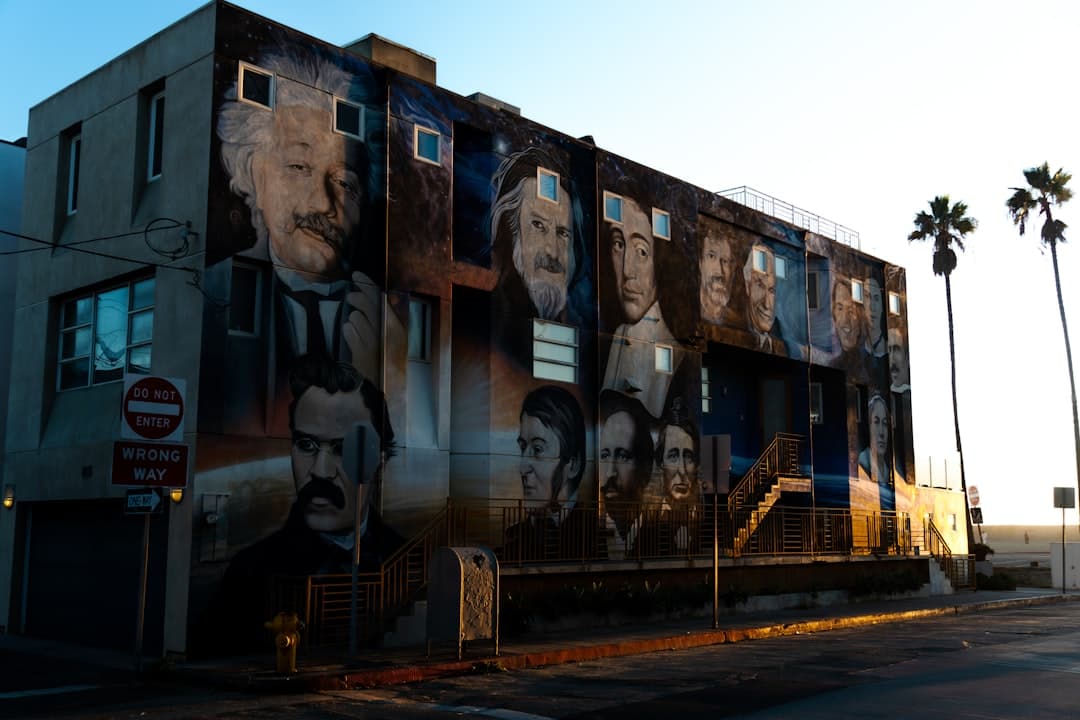
Art permeates the atmosphere, with galleries and studios dotting the landscape. The Arts District, in particular, has emerged as a creative hub, where artists collaborate and showcase their work in repurposed warehouses. Street art is a vital part of the cultural fabric, with murals serving as both expression and commentary on social issues. A walk through these streets is a feast for the senses, an invitation to engage with the narratives that shape the city.
As the sun sets, the atmosphere shifts; the city transforms into a vibrant tapestry of nightlife. Rooftop bars and music venues come alive, offering breathtaking views of the skyline. Here, you can sip craft cocktails while listening to local bands, embracing the city's creative spirit. The energy is palpable, a reminder that Los Angeles is a city that never truly sleeps.
THE INSIDER'S GEM
For a truly immersive experience, visit the Los Angeles County Arboretum and Botanic Garden in Arcadia. This expansive 127-acre garden is a serene escape from the hustle and bustle of the city, showcasing a diverse collection of plants from around the world. What sets the Arboretum apart is its history; once the estate of a wealthy businessman, it now serves as a living museum of horticulture and history.
Wander through the themed gardens, each meticulously curated to reflect different climates and ecosystems. The Australian Garden, with its striking eucalyptus trees, contrasts beautifully with the tropical garden, where vibrant blooms and lush foliage create a lush sanctuary. The highlight, however, is the historic Queen Anne Cottage, a picturesque reminder of the estate's past, surrounded by tranquil ponds and swaying palm trees.
The Arboretum is not just about flora; it also offers a glimpse into the region’s wildlife. Keep an eye out for peacocks wandering freely, a charming sight that adds to the garden's enchantment. The best time to visit is early morning when the light filters through the trees, creating a magical atmosphere perfect for reflection and exploration.
For a unique experience, consider timing your visit with one of the Arboretum's cultural events or workshops. These often feature local artists and musicians, providing an opportunity to connect with the community while enjoying the beauty of nature. This is not just a garden; it is a space where culture and nature converge, a testament to the diversity of Los Angeles.
THE CONCISE GUIDE
Social Norms
Los Angeles is a city defined by its diversity, and with that comes a range of social norms. Generally, locals are informal and approachable. Engaging in casual conversation is welcomed, but be mindful of personal space, as this varies across cultures.
Dress Codes
The dress code in Los Angeles leans towards casual chic. While upscale establishments may expect smart casual attire, overall, comfort is key. Sneakers and stylish athleisure are common, reflecting the city's active lifestyle.
Strategic Timing
Timing can significantly enhance your experience in Los Angeles. Visiting popular attractions early in the morning or late afternoon can help you avoid crowds and enjoy a more intimate experience. Additionally, consider weekdays over weekends for a more relaxed atmosphere, particularly in cultural institutions.
THE LITTLE BLACK BOOK
Los Angeles County Arboretum and Botanic GardenAddress: 301 N Baldwin Ave, Arcadia, CA 91007
Price: $15 (adults), $10 (students/seniors), free for children under 5
Opening Hours: 9 AM - 5 PM Daily
Los Angeles is a city that demands exploration beyond its surface. By engaging with its cultural landscape, you can uncover stories that resonate deeply with the essence of this remarkable metropolis. For a tailored experience that captures the nuances of Los Angeles, utilize trip.express to curate your itinerary and navigate this vibrant city with confidence.