
“Explore the diverse cultural influences of Hong Kong, a city where East meets West. This guide offers insights into its rich heritage, local customs, and the vibrant atmosphere that defines Hong Kong culture.”
Hong Kong: A Cultural Mosaic Beyond the Skyscrapers
THE HOOK
Hong Kong, an urban landscape defined as much by its towering skyscrapers as by its rich cultural tapestry, invites a deeper exploration beyond its surface allure. Often viewed through the lens of commerce and modernity, this city is a nexus of Eastern and Western influences. The juxtaposition of colonial history with Chinese traditions creates a unique cultural identity that is both dynamic and multifaceted. In the bustling streets of Central, the aroma of dim sum intermingles with the scent of freshly brewed coffee in artisanal cafes, showcasing the city’s ability to blend tradition with modernity.
With over 7 million residents, each contributing to the city’s cultural mosaic, Hong Kong is a living laboratory of diverse influences. From traditional festivals that reflect centuries-old customs to contemporary art galleries that challenge perceptions, the fabric of Hong Kong culture is ever-evolving. This guide aims to illuminate the lesser-known aspects of Hong Kong culture, encouraging travelers to engage thoughtfully with this vibrant metropolis. Understanding the city’s heritage is not merely an academic pursuit; it enhances the travel experience, allowing for a richer interaction with its people and places.
THE CONTEXT
Hong Kong’s history is pivotal in understanding its current cultural landscape. Established as a British colony in 1842, the city underwent significant transformations, becoming a vital trading hub. The colonial era introduced Western customs and governance, which coexisted, often uneasily, with Chinese traditions. In 1997, Hong Kong was handed back to China under the “one country, two systems” principle, a political framework that has shaped its culture and identity.
The blending of East and West is apparent in various aspects of daily life. Traditional Chinese festivals, such as the Lunar New Year and the Mid-Autumn Festival, are celebrated with fervor, while Western holidays like Christmas have also taken root, adding layers to the cultural experience. The culinary scene exemplifies this fusion; street food stalls serve traditional dishes alongside international cuisines, reflecting the city’s diverse palate.
Moreover, art and fashion in Hong Kong speak to its global outlook. Local artists often draw inspiration from both traditional Chinese art forms and contemporary international movements, resulting in a vibrant arts scene that includes everything from traditional ink painting to avant-garde installations. The city is also home to a burgeoning fashion industry that marries Eastern aesthetics with Western styles, attracting designers and creatives from around the world.
Understanding Hong Kong culture requires acknowledging its colonial past, the resilience of its people, and the ongoing evolution of its identity in a rapidly changing world. Engaging with this history will enhance your experience as you navigate the city’s streets, markets, and galleries.
THE ATMOSPHERE
As you traverse Hong Kong, the atmosphere is a sensory experience. The city’s skyline, punctuated by architectural marvels like the International Commerce Centre and the Bank of China Tower, serves as a backdrop for a vibrant urban life. The juxtaposition of modern skyscrapers with traditional temples highlights the harmony of contrasts that defines the city.
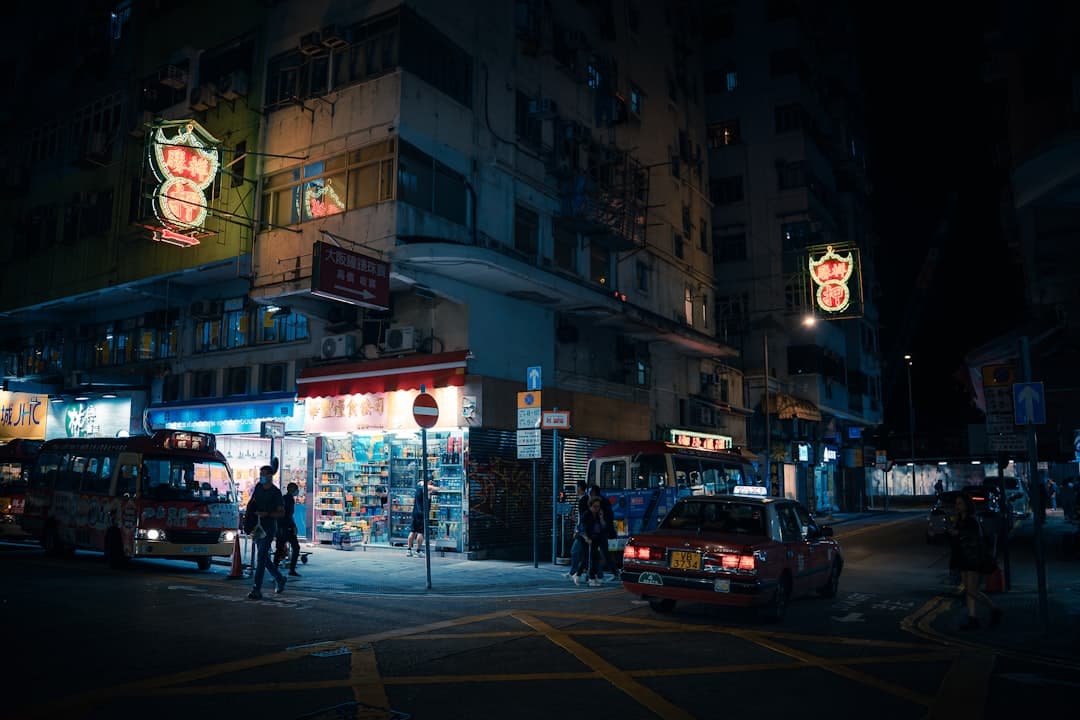
Walking through neighborhoods like Sheung Wan and SoHo, the aroma of incense wafts from ancient temples, blending seamlessly with the sounds of modern cafes and bars. The streets are alive with the chatter of locals and the clinking of dim sum carts, creating a rhythm that encapsulates the city’s duality.
Public spaces are integral to the fabric of Hong Kong life. Victoria Harbour, with its stunning views, serves as a communal gathering place. Here, the Symphony of Lights—an impressive light and sound show—illuminates the skyline every evening, drawing locals and tourists alike. The harbor not only symbolizes the city’s maritime history but also serves as a reminder of its enduring connection to the sea.
In contrast, the vibrant street markets of Mong Kok offer a glimpse into local life. The Temple Street Night Market, with its myriad of stalls, is a hub of activity where hawkers sell everything from street food to handmade crafts. Engaging with vendors here provides insight into the daily lives of Hong Kong residents and the importance of community in this densely populated city.
The service culture in Hong Kong is another notable aspect. Whether dining in a Michelin-starred restaurant or enjoying a casual meal at a cha chaan teng (tea cafe), the emphasis is on efficiency and respect. Understanding the subtleties of dining etiquette—such as waiting for the host to begin eating or the significance of tea pouring—can enhance your experience, allowing for deeper engagement with local customs.
“The atmosphere in Hong Kong is an intricate dance of tradition and modernity, where every corner tells a story.”
In summary, the atmosphere of Hong Kong is a vivid reflection of its cultural complexity, shaped by history, community, and a commitment to both preserving tradition and embracing innovation.
THE INSIDER'S GEM
For an authentic taste of Hong Kong culture, visit the Yuen Long district during the annual Tin Hau Festival. This celebration honors the goddess of the sea and showcases the city’s deep-rooted spiritual beliefs intertwined with local traditions. The festival occurs in May and features a grand procession, traditional lion dances, and colorful floats that wind through the streets.
During this time, you can immerse yourself in the local community, enjoying street food delicacies such as fish balls and egg waffles, while engaging with locals who share stories about the festival’s significance. The vibrant atmosphere is palpable, filled with laughter, music, and the rhythmic pounding of drums.
A specific highlight is the dragon boat races, where teams compete in a show of strength and skill. The sight of ornate boats cutting through the water is both exhilarating and emblematic of the city’s maritime heritage. Participating in or simply observing these races offers a unique perspective on the community spirit that defines the festival.
For those seeking a quieter experience, the Tin Hau Temple in Yuen Long serves as a peaceful retreat amidst the festivities. The temple is an architectural gem, adorned with intricate carvings and vibrant colors, providing insight into the spiritual life of the locals.
Engaging in this festival allows travelers to connect with the heart of Hong Kong culture, experiencing firsthand the rich traditions that continue to shape the city’s identity.
“Experiencing the Tin Hau Festival is a window into the soul of Hong Kong, where tradition and community converge.”
THE CONCISE GUIDE
Social Norms
- Politeness is Key: Greetings are often formal. A slight bow or nod is appreciated, and addressing individuals by their titles shows respect.
- Dining Etiquette: When dining, wait for the host to begin. Passing food is customary, but avoid sticking chopsticks upright in rice, as it resembles funeral rites.
Dress Codes
- Casual is Acceptable: In most scenarios, smart casual attire is appropriate. However, upscale restaurants and venues may require more formal dress.
- Respect Religious Sites: When visiting temples, cover shoulders and knees, and remove shoes when required.
Strategic Timing
- Best Time to Visit: The months of October to December offer pleasant weather, ideal for outdoor activities.
- Avoid Peak Hours: For a more relaxed experience, visit popular attractions early in the morning or later in the afternoon.
Utilize trip.express to manage your itinerary effectively, ensuring a seamless travel experience that maximizes your engagement with Hong Kong culture.
THE LITTLE BLACK BOOK
Yuen Long District (Tin Hau Festival)
- Address: Yuen Long, New Territories, Hong Kong
- Price: Free entry to festival activities; food costs vary
- Opening Hours: Festival occurs annually in May; specific dates vary.
Temple Street Night Market
- Address: Temple St, Yau Ma Tei, Hong Kong
- Price: Free entry; food and goods for purchase
- Opening Hours: Daily, 6 PM - midnight
Traditional Dim Sum Experience
- Address: Various locations; notable ones include Tim Ho Wan and DimDimSum Dim Sum Specialty Store
- Price: Approximately HKD 30-100 per dish
- Opening Hours: Varies by location; typically 10 AM - 10 PM
Engage deeply with the rich cultural landscape of Hong Kong by exploring its neighborhoods, traditions, and local experiences. Each interaction enriches your journey, providing a profound understanding of this vibrant city.
Teilen Sie diese Geschichte
Comments
Noch keine Kommentare
Seien Sie der Erste, der seine Gedanken mit der Gemeinschaft teilt!