Rome: The Unseen Corners of Trastevere and Its Timeless Allure
Trip Express•16 يوليو 2026•5 min read
“Explore the charm of Trastevere in Rome with this comprehensive guide, highlighting its history, culture, hidden gems, and practical tips for an immersive experience.”
Rome: The Unseen Corners of Trastevere and Its Timeless Allure
THE HOOK
Trastevere, often overshadowed by the grandeur of central Rome, offers a distinctly intimate experience that reflects the city's rich tapestry of history, culture, and local life. This vibrant neighborhood, set against the backdrop of ancient architecture and meandering cobblestone streets, embodies the spirit of Rome in a way that larger attractions cannot. Here, the rhythm of life unfolds at a different pace, inviting visitors to immerse themselves in the everyday. Trastevere's charm lies not just in its aesthetics but in the palpable sense of community, where locals gather in piazzas, and artisans ply their trades in small workshops. The true essence of this area is best experienced through its lesser-known corners—quiet streets, family-run trattorias, and local artisans—each contributing to a unique narrative that is distinctly Roman.
In Trastevere, the old seamlessly blends with the new, creating a dynamic atmosphere that is both timeless and contemporary. Visitors are encouraged to wander beyond the main thoroughfares and discover the hidden gems that define this neighborhood. The allure of Trastevere is in its authenticity; it is a place where the past is honored, yet the present thrives vibrantly. As you navigate through its winding alleys, keep an eye out for the subtle details that tell the story of a community rich in culture and tradition.
Comments
مرتقب بشدة
- كن أول من يشارك أفكاره!
لا توجد تعليقات بعد
كن أول من يشارك أفكاره مع المجتمع!
اترك ردًا
استمر في القراءة
قصص موصى بها
THE CONTEXT
Trastevere has a storied history that dates back to the Roman Empire, originally established as a settlement for the working class across the Tiber River. The name "Trastevere" itself derives from the Latin "Trans Tiberim," meaning "beyond the Tiber," a reference to its geographical location. Over the centuries, this area has evolved from a humble neighborhood into one of Rome's most beloved quarters, retaining its unique character while embracing modern influences.
Historically, Trastevere was a melting pot of cultures, which is reflected in its architecture and local customs. The area boasts a mix of medieval churches, Renaissance palaces, and vibrant street life, each contributing to its eclectic charm. One cannot overlook the influence of the Jewish community, which has been integral to Trastevere's development, especially visible in the architecture and culinary offerings. The neighborhood has preserved a sense of authenticity that is increasingly rare in major urban centers, making it a focal point for those seeking to experience the real Rome.
Culturally, Trastevere is alive with art, music, and gastronomy. The annual festivals and local markets foster a strong sense of community, drawing both locals and tourists alike. The streets come alive at night with the sounds of laughter spilling from open-air restaurants and bars, creating a warm, inviting atmosphere that beckons exploration. This neighborhood’s ability to maintain its traditional roots while adapting to contemporary trends makes it a vital part of Rome's cultural landscape.
THE ATMOSPHERE
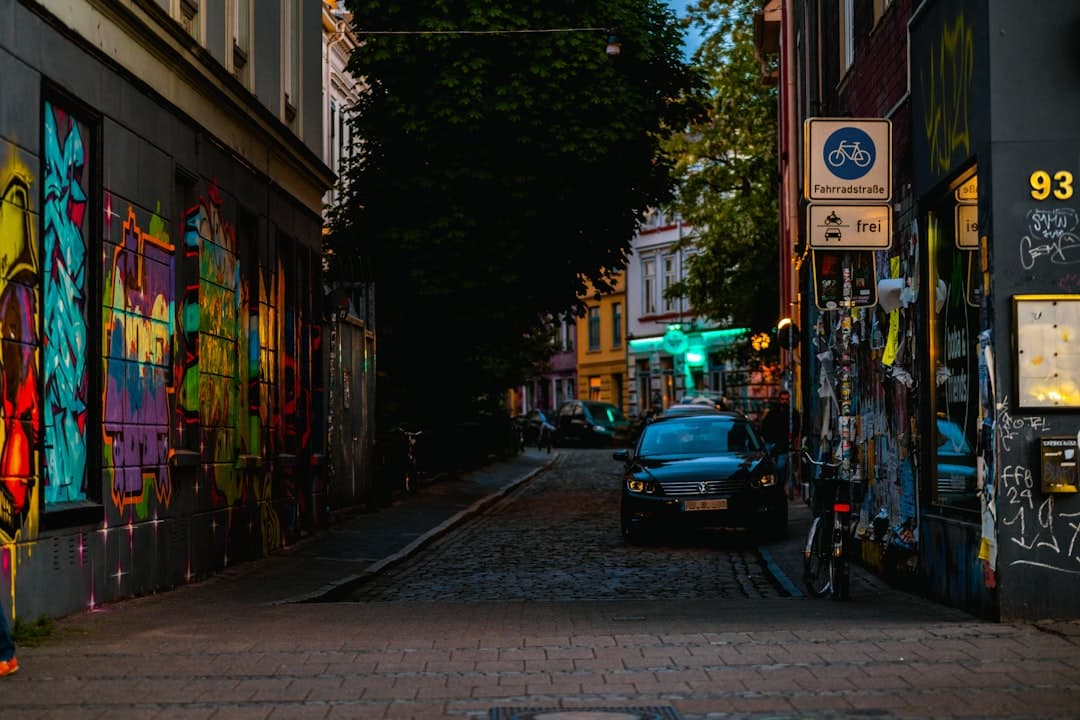
Walking through Trastevere is akin to stepping into a living museum where every corner tells a story. The architecture ranges from the medieval charm of the Basilica di Santa Maria in Trastevere, with its stunning mosaics, to the vibrant street art that adorns many of its walls. The narrow lanes are lined with ivy-covered buildings, their rustic facades a canvas for local artists. It is within these streets that one can truly appreciate the beauty of Roman life, away from the throngs of tourists.
As the sun begins to set, casting a golden hue over the cobblestones, the atmosphere transforms. The piazzas, such as Piazza Trilussa, become gathering spots for locals, where young couples and families enjoy the evening air. Street performers add to the ambiance, showcasing music and dance that resonate with the spirit of the neighborhood. The scent of freshly baked pizza and traditional Roman dishes wafts through the air, inviting you to pause and indulge.
Exploring Trastevere is best done on foot. Each alley offers a new perspective, whether it be a quaint cafe with local patrons enjoying their espresso or a hidden courtyard where art students sketch the surroundings. This interaction with the environment creates a sense of belonging, as if the visitor is part of the fabric of the neighborhood.
The service in Trastevere is generally warm and welcoming, with many establishments priding themselves on familial hospitality. Dining here is less about formalities and more about enjoying the experience; establishments often reflect this with communal tables and shared dishes, encouraging conversation and camaraderie among guests.
"The beauty of Trastevere lies in its ability to blend the old with the new, creating a living narrative that speaks to both history and modernity."
THE INSIDER'S GEM
One often-overlooked treasure in Trastevere is the Osteria der Belli, a family-run restaurant that exemplifies the neighborhood’s culinary tradition. Nestled on a quiet street, it offers a menu that emphasizes fresh, locally sourced ingredients. The restaurant is known for its seafood dishes, particularly the Spaghetti alle Vongole (spaghetti with clams), which perfectly highlights the simplicity and elegance of Roman cuisine.
A visit during the early evening allows you to witness the gradual transformation of the restaurant from a tranquil dining space to a bustling hub. The friendly owners often take time to share stories about their dishes, providing insight into the recipes passed down through generations. Eating here is not just a meal; it’s an experience steeped in tradition. The warmth of the atmosphere, paired with the rich flavors, creates a memorable culinary journey.
For those seeking an authentic experience, arriving at the Osteria shortly after opening can provide a more intimate setting. The restaurant tends to fill quickly, and early diners can enjoy the gentle ambiance before the evening rush. Pairing your meal with a glass of local Frascati wine is recommended, as it perfectly complements the seafood offerings.
"Dining at Osteria der Belli is an experience that transcends mere sustenance; it is a celebration of familial ties and culinary heritage."
THE CONCISE GUIDE
Social Norms
While Rome is generally welcoming, understanding local etiquette can enhance your experience. Greet locals with a friendly "Buongiorno" or "Buonasera". When dining, it is customary to wait for the host to seat you, and tipping is appreciated but not mandatory.
Dress Codes
Trastevere is laid-back compared to other parts of Rome, but casual chic is the norm. Avoid beachwear and overly casual attire, especially when dining in restaurants. Comfortable shoes are essential for navigating the cobblestone streets.
Strategic Timing
To fully appreciate Trastevere, visit during the early morning or late afternoon. Mornings allow for a quieter exploration of the narrow streets, while evenings bring the neighborhood to life with its vibrant dining scene. Midweek visits can also provide a less crowded experience compared to weekends.
THE LITTLE BLACK BOOK
Osteria der BelliAddress: Via della Paglia, 1, 00153 Roma RM, Italy
Price: €€
Opening Hours: Daily, 12:00 PM - 11:00 PM
Basilica di Santa Maria in TrastevereAddress: Piazza di Santa Maria in Trastevere, 00153 Roma RM, Italy
Price: Free
Opening Hours: Daily, 7:30 AM - 9:00 PM
For a seamless exploration of Trastevere and beyond, consider utilizing trip.express to manage your itinerary effectively.
In summary, Trastevere is a neighborhood that invites discovery. By navigating its unseen corners, travelers can uncover the real essence of Rome, rooted in culture, community, and culinary excellence. This guide serves as a starting point for those looking to delve deeper into the heart of one of Rome's most captivating areas.